The literary works of José Saramago, particularly his novel "Blindness", are at the centre of a new educational debate in Nigeria. This discussion, titled "Saramago ou o Cânone como Currículo", explores the potential of integrating Saramago's canon into the Nigerian school curriculum. The event, held in Lagos on October 12, brought together educators and literary scholars to discuss the implications of such an inclusion.
The Role of Saramago's Literature in Nigeria
José Saramago, a Nobel Prize-winning author, is renowned for his innovative narrative style and profound themes. His works, often exploring human behaviour and social issues, are seen as a vehicle for igniting critical thought among students. In Nigeria, where educational reform is a constant topic, Saramago's literature is viewed as a tool to enhance literary studies and critical thinking skills.
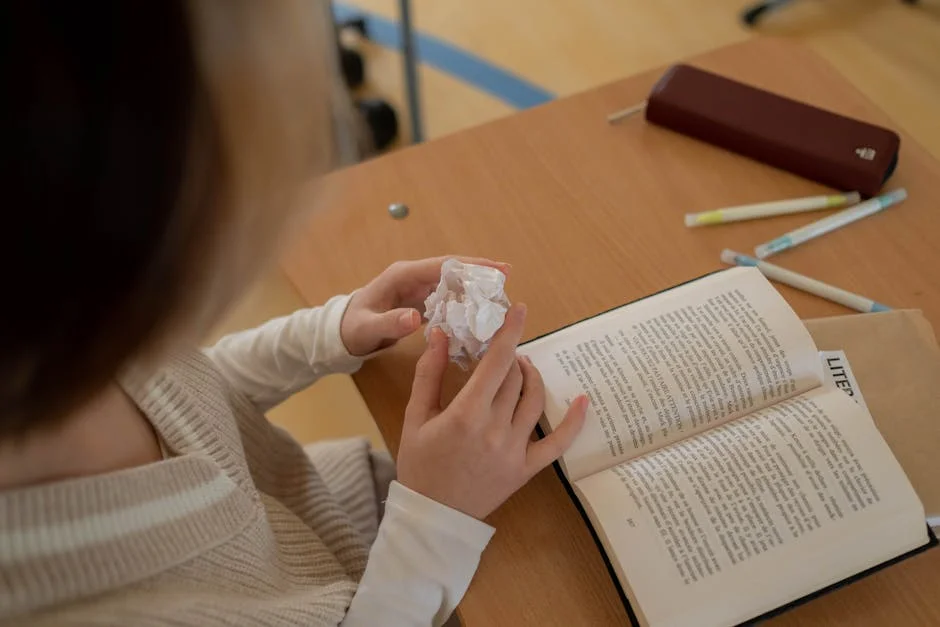
The inclusion of Saramago's works in the curriculum could lead to a more engaged student body capable of analysing complex societal issues. However, some educators express concerns about the potential challenges in adapting these texts for younger audiences. The debate continues on how best to incorporate these works without overwhelming students.
Potential Impact on Nigerian Students
The proposed integration of Saramago's works is expected to impact the teaching methods and materials used in Nigerian schools. Educators believe that exposing students to international literature can broaden their perspectives and improve their analytical skills. This approach is particularly relevant in cities like Lagos, where educational diversity is prevalent.
Moreover, Saramago's themes of social justice and ethical dilemmas align with ongoing discussions in Nigerian society about governance and democracy. By engaging with these topics, students could develop a deeper understanding of their own societal challenges.
Community and Educator Reactions
The reaction from the Nigerian educational community has been mixed. While some see it as an opportunity to enrich the curriculum, others fear it might detract from local literature. Olusegun Adebayo, a literature professor at the University of Lagos, argues that while global perspectives are important, local authors should not be overshadowed.
Community leaders in Lagos have voiced their support for a balanced approach. They advocate for a curriculum that includes both international and local authors, ensuring that students receive a comprehensive education.
Challenges and Next Steps
One of the primary challenges in incorporating Saramago's works is the availability of resources and trained teachers. The Nigerian Ministry of Education is considering pilot programs in select schools to test the feasibility of this curriculum change.
In the coming months, further discussions and workshops are planned to address these challenges. The focus will be on training teachers to effectively teach Saramago's complex narratives and themes. The outcome of these initiatives will likely influence the future direction of Nigeria's educational reforms.
Looking ahead, stakeholders in Nigeria's educational sector are expected to convene again in early 2024 to review the pilot programs' results and decide on a broader implementation strategy. This ongoing dialogue will be crucial in shaping the country's educational landscape.