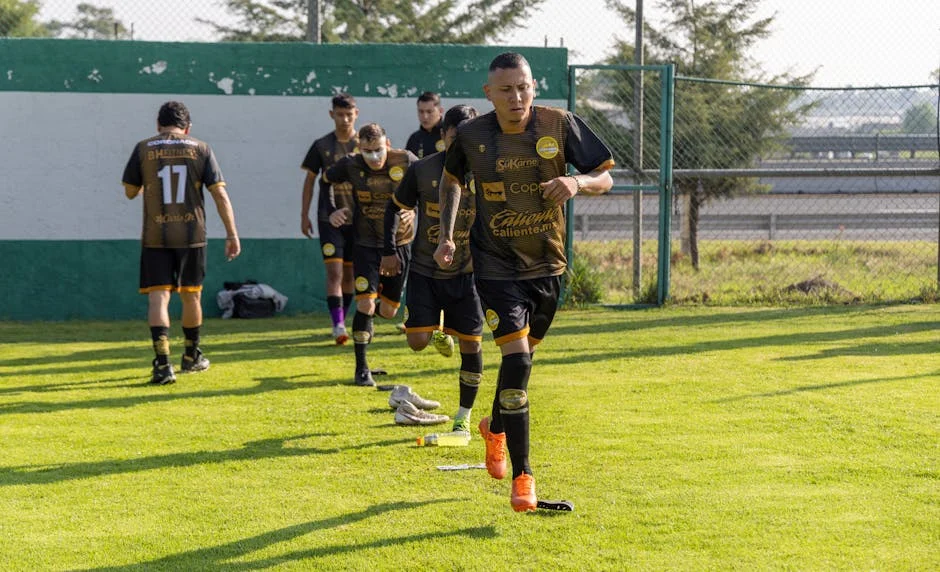
The recent football match between teams in Spain has sparked a heated debate in Nigeria due to controversial decisions from the Video Assistant Referee (VAR), involving players like Luis Diaz. The match, held in Madrid, saw a contentious offside ruling against Diaz, which left many fans and analysts questioning the integrity of VAR decisions. The controversy has resonated strongly among Nigerian football enthusiasts, who are well-known for their passionate support of international football.
Nigeria's Passionate Football Culture
Nigeria has a vibrant football culture, with millions of fans following European clubs and leagues. The controversial decision against Luis Diaz has triggered discussions across social media platforms in Nigeria, where football is more than just a sport but a national pastime. Nigerian fans feel a deep connection with players and teams abroad, and VAR decisions like these often influence their perspectives on the game.
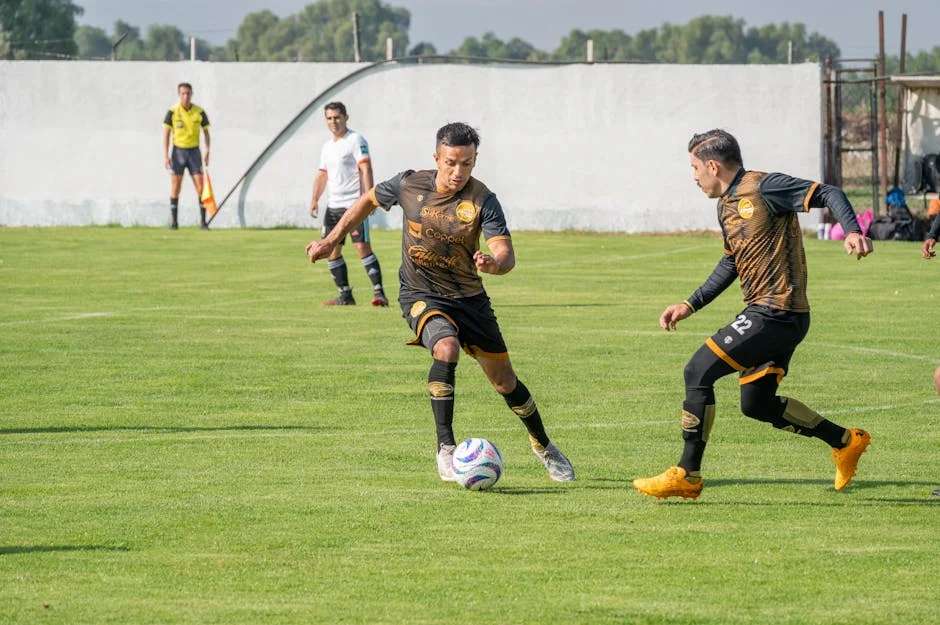
The incident involving Diaz has also raised questions about the consistency and transparency of VAR decisions in football. In Nigeria, where football is a major unifier and a source of national pride, such controversies tend to evoke strong emotions and debates. Fans argue that unclear or inconsistent refereeing can undermine the enjoyment and fairness of the sport, a sentiment echoed by fans worldwide.
Economic Impact of Football in Nigeria
Football has a significant economic impact in Nigeria, contributing to local businesses, sports bars, and merchandise sales. The controversy surrounding the VAR decision has spurred increased attention on how such international events can affect local economies. Fans often gather at venues to watch key matches, and contentious decisions can influence attendance and viewership numbers.
According to a report by the Nigerian Football Federation, the football industry contributes approximately 0.5% to Nigeria's GDP. With millions of Nigerians following European leagues, decisions like the one involving Luis Diaz can impact local businesses that rely on football-related activities.
The Role of Media and Community Response
Nigerian media outlets have been quick to cover the VAR controversy, providing platforms for discussion and analysis. Sports analysts and commentators have offered various perspectives, with some defending the technology while others call for improvements in its application. The widespread coverage has kept the topic alive in public discourse, highlighting the importance of football in Nigerian society.
Community response has been vibrant, with fans expressing their opinions through social media and local radio shows. The incident has united fans in a shared dialogue about the future of football officiating and the role of technology in sports. This community engagement showcases how international sports events can have a local impact, fostering discussions that transcend borders.
Looking Ahead: The Future of VAR in Football
As the football world grapples with the implications of VAR, there is a growing demand for clearer guidelines and improved technology. Nigerian fans are closely watching developments in this area, hoping for a system that ensures fair play and transparency. The next steps involve reviewing current protocols and possibly introducing changes that could improve the clarity and consistency of video reviews.
With international football leagues set to continue and the next major tournaments on the horizon, the football community in Nigeria remains engaged and hopeful for positive changes. As fans and analysts look forward to future developments, the conversation around VAR and its impact on the beautiful game is likely to continue, influencing not just Nigeria but the global football community.