Adam Slater, the Lead Economist at Oxford Economics, has issued a warning that the global trade growth outlook is faltering, posing potential challenges for economies worldwide, including Nigeria. This warning comes as Oxford Economics, a global advisory firm, highlights the sluggish pace of trade activity, which could have far-reaching consequences for nations dependent on international commerce.
Nigeria's Economic Vulnerabilities
Nigeria, Africa's largest economy, is particularly susceptible to fluctuations in global trade patterns. A significant portion of the country's revenue comes from its oil exports, making it vulnerable to any downturn in global demand. This economic reliance could exacerbate domestic challenges such as inflation, which has hovered around 18.5% in recent months.
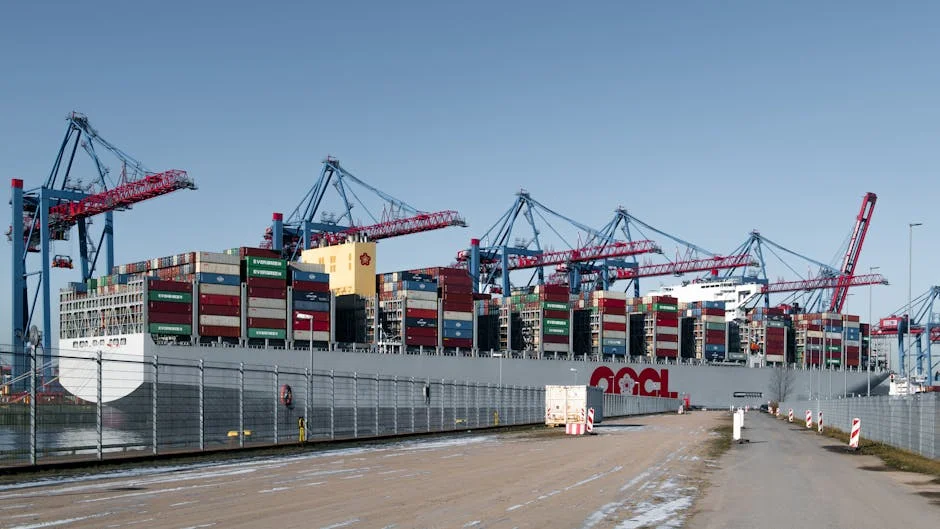
The warning from Slater is especially pertinent as the nation grapples with existing economic hurdles. The Nigerian government has been working to diversify its economy, but progress has been slow. The potential downturn in global trade could stall these efforts, making it harder for local industries to grow and provide employment opportunities.
Impact on Local Communities
The direct impact on Nigerian citizens and communities could be significant. With trade activities potentially slowing, local businesses that rely on imported goods may face higher prices and scarcity of materials. This would likely lead to a rise in living costs, affecting the daily lives of millions of Nigerians.
In regions like Lagos and Kano, where commerce and manufacturing are central to the local economy, a slowdown could lead to job losses and further strain on already pressured public services. This situation could spark social unrest if not managed properly.
Government and Community Response
The Nigerian government is aware of the challenges posed by global economic shifts. Efforts are underway to bolster local industries and reduce dependency on imports. However, these measures may take time to yield tangible results.
Communities are also responding by encouraging local entrepreneurship and innovation to mitigate the impact of global economic changes. Grassroots movements and community organisations are actively promoting locally-made products to sustain the economy from within.
Looking Ahead: What to Watch
As Nigeria navigates this potential economic storm, several factors will be crucial. The government's ability to implement effective economic policies will play a pivotal role in cushioning the impact. Monitoring global oil prices and trade negotiations will also be essential, as these will directly influence Nigeria's economic stability.
The upcoming fiscal policy announcements by the Nigerian government will be critical in addressing these challenges. Citizens and businesses alike will be keen to see how these policies might provide relief and direction in a potentially turbulent economic landscape.