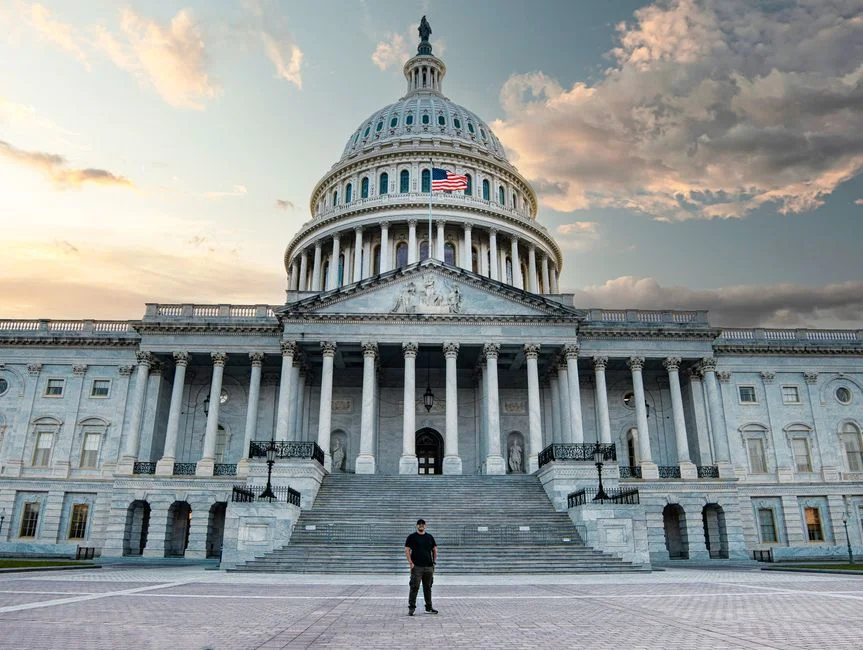
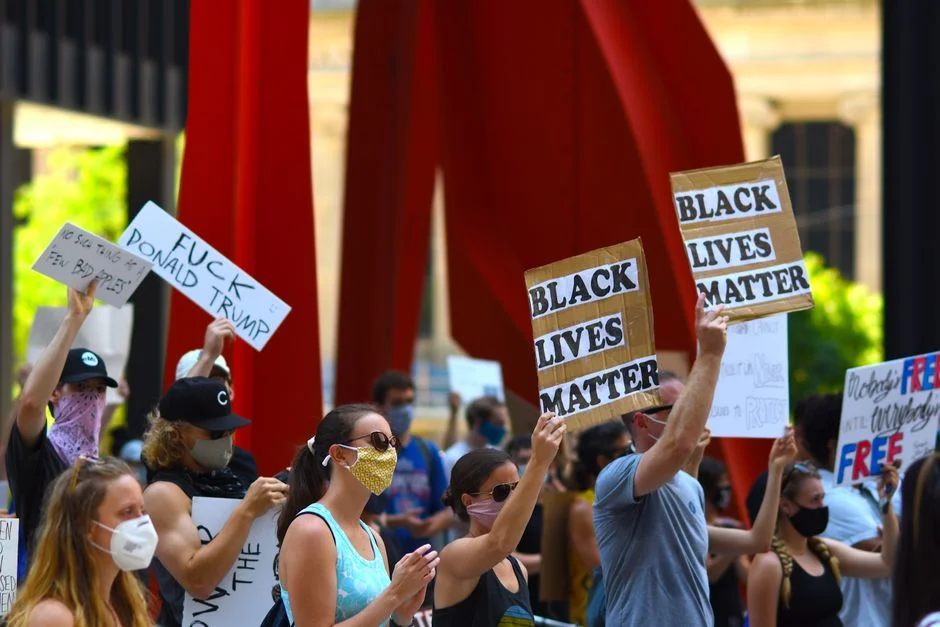
Donald Trump has ignited a fresh controversy regarding Birthright Citizenship by re-sharing a post from American commentator Michael Savage, who referred to India as the 'hellhole on the planet'. This development has not only ruffled feathers in India but also raised eyebrows globally, including in Nigeria where the debate on citizenship by birth has its own implications.
The Role of Birthright Citizenship
Birthright Citizenship, a principle that grants citizenship to any individual born within a country's borders, has been a subject of intense debate in the United States. Trump's comments bring this issue to the forefront once again, highlighting the potential for significant policy shifts. In Nigeria, where citizenship laws are more restrictive, this debate could influence local discussions on national identity and immigration policies.
In Nigeria, the current laws do not automatically confer citizenship to children born to foreign parents, unlike in the United States. This creates a different social dynamic and raises questions about the rights of children born in the country to non-citizen parents. The Nigerian government may need to evaluate how global discussions on citizenship affect domestic policies.
India's Reaction and Its Implications
The reaction in India has been swift. Officials in New Delhi have expressed discontent with Trump's amplification of Savage's derogatory remarks. India, a nation of over 1.3 billion people, views these comments as not only an attack on its global image but also as a potential strain on diplomatic relations with the United States.
For the Nigerian community, the international reaction offers a lens to examine their own citizenship policies. As Nigeria continues to grow as a regional power, how it handles citizenship could affect its standing on the global stage. Nigeria's policymakers might use this incident as an opportunity to reassess the nation's stance on citizenship and immigration.
The Impact on Nigerian Communities
For everyday Nigerians, especially those in diaspora communities, the renewed focus on Birthright Citizenship could have direct consequences. Nigerians living in the U.S. may face uncertainties should policies change under a future administration influenced by Trump's rhetoric. This could lead to increased anxiety about legal status and rights for their American-born children.
Moreover, the situation provides a moment for Nigerian society to reflect on its own identity issues. With a diverse population, Nigeria often grapples with questions of ethnic identity and national unity. How Nigeria chooses to address these issues internally could have long-term effects on its social fabric and economic prospects.
What Comes Next?
As the debate surrounding Birthright Citizenship continues to evolve, both in the United States and around the world, Nigeria is likely to watch closely. Given the global interconnectedness of policy and governance, changes in one country can have ripple effects elsewhere.
In the coming months, discussions within Nigerian legislative circles may explore how to balance national identity with the needs of a globalised world. As Trump remains a vocal figure in U.S. politics, his statements could continue to influence international debates on citizenship laws. Nigerians will need to stay informed about these developments, as they could impact future relations with not just the U.S., but other nations crafting similar policies.
See Also
- African Think Tanks Demand UNSC Reform: What a Permanent Seat Means for Development
- South Africa Unveils R2.4 Billion Senqu Bridge This Week