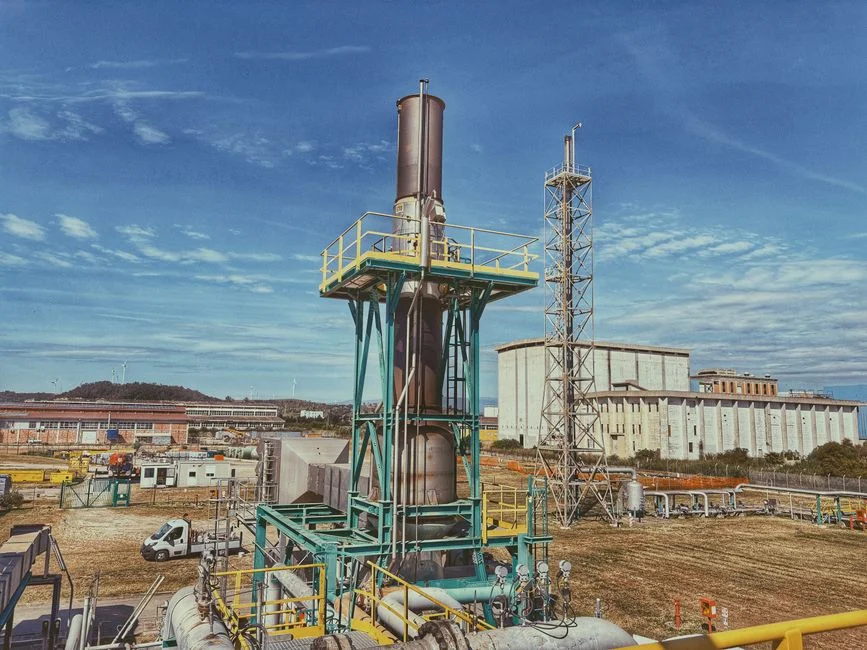
Seguro, the President of Numa, has enacted a new decree that alters the rules governing the national gas system, a move that could have widespread implications for Nigerian citizens. This development took place in Numa on October 12, 2023, as part of broader energy sector reforms aimed at improving efficiency and sustainability.
What the New Rules Entail
The new gas regulations are designed to streamline gas supply and distribution, with an emphasis on reducing costs and increasing accessibility. The decree outlines specific measures to enhance infrastructure, improve regulatory oversight, and incentivize local production. These changes are expected to impact both households and businesses that rely heavily on gas for daily operations.

Under the new framework, gas companies will receive subsidies to modernize their facilities, which is projected to lower prices for consumers. The government aims to achieve a 25% reduction in gas prices over the next two years, making energy more affordable for the average Nigerian household.
Local Economic Implications
In regions like Lagos, where the demand for gas is high, these changes could significantly alter the local economy. By reducing energy costs, businesses may experience lower operational expenses, potentially leading to job creation and economic growth. However, there are concerns about the initial costs of infrastructure improvements and whether they might be passed on to consumers in the short term.
Impact on Small and Medium Enterprises
Small and medium enterprises (SMEs), which form the backbone of Nigeria's economy, stand to benefit from reduced energy costs. With gas being a critical input for manufacturing and other industries, lower prices might enhance competitiveness and expand their market reach.
On the other hand, the transition period could present challenges, particularly for businesses not prepared to handle changes in supply chain dynamics. Training and support from the government will be crucial to ensure that SMEs can adapt effectively.
Community Reactions and Concerns
The announcement has prompted a mixed response from the public. While many welcome the potential for lower gas costs, others have expressed skepticism about the implementation, fearing that bureaucratic inefficiencies could delay benefits. Community groups in Abuja have called for transparency and regular updates from the government to ensure accountability in the process.
Environmental groups have also weighed in, praising the move towards more sustainable energy solutions but urging further action to address environmental impacts associated with gas extraction and consumption.
What's Next for Nigerians?
As the new regulations take effect, Nigerians are advised to stay informed about changes in gas pricing and availability. The government is expected to roll out an awareness campaign to educate citizens on how to take advantage of the new system. The coming months will be critical, as the effects of these changes begin to manifest across various sectors.
Looking ahead, stakeholders are keenly watching the next quarterly economic review to gauge the impact of these reforms. Analysts suggest that if successful, these changes could serve as a model for other sectors undergoing reform in Nigeria.
See Also
- Nigerian Housing Gets Sour Orange Prize from Pelo
- Nigeria Surpasses 10,000 LLP Registrations in January: What It Means for Growth