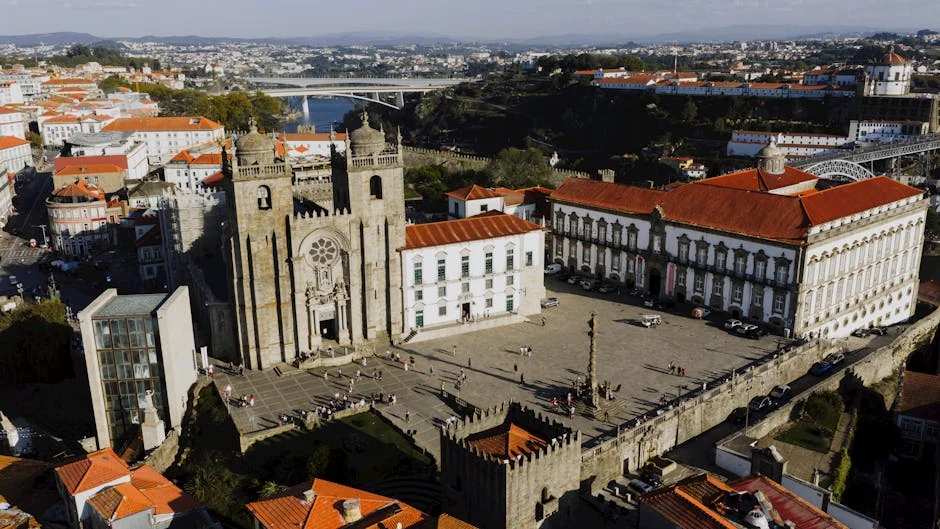
Portugal's latest move towards boosting its energy independence has sent ripples across Europe, reaching as far as Nigeria. On 15 October, Portugal announced a strategic partnership with Spain to enhance their renewable energy capacities. This development raises questions about Nigeria's energy exports, particularly as Europe seeks alternatives to traditional energy sources.
Portugal and Spain's Renewable Push
The collaboration between Portugal and Spain aims to increase the production of renewable energy, leveraging both countries' significant wind and solar potential. The partnership is expected to boost energy output by 25% over the next five years, according to Portugal's Ministry of Energy. This shift is part of a broader European Union strategy to reduce reliance on non-renewable energy sources and enhance energy security.
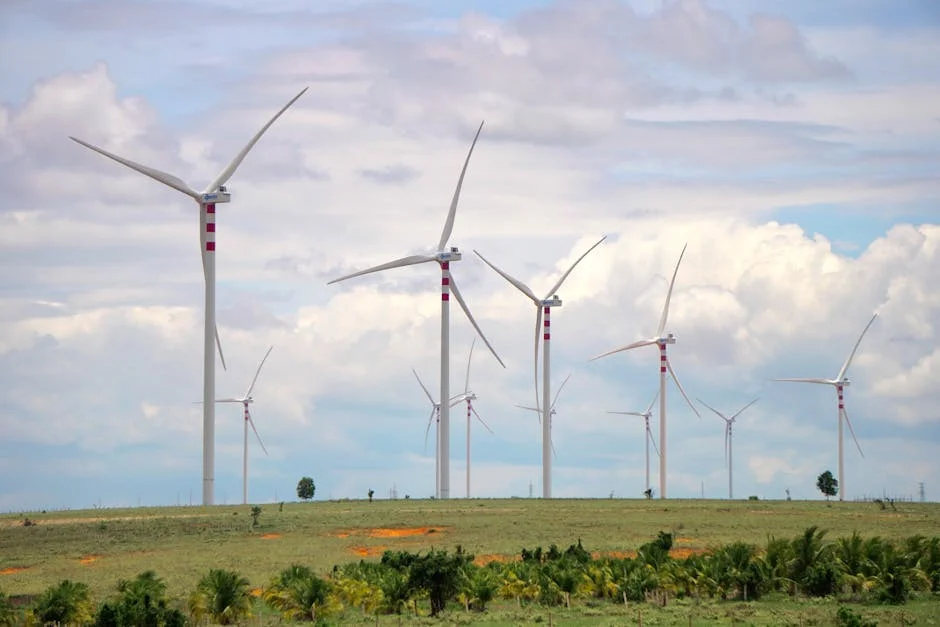
For Nigeria, a major exporter of oil and natural gas, this development could mean a reevaluation of its export strategies. With Europe as one of its key markets, changes in energy policies could affect demand for Nigerian oil and gas.
Implications for Nigerian Communities
Nigerian communities dependent on the oil and gas sector may face economic shifts. The Port Harcourt region, known for its oil refineries, could see a decline in demand impacting local economies. Job security in this sector might become a growing concern if traditional energy exports face reduced demand.
Moreover, the potential decrease in revenue from oil exports could affect government funding for local projects, hampering development initiatives across various states. Communities heavily reliant on government subsidies might experience financial strain.
Broader Economic Impact
The energy shift in Europe could prompt Nigeria to explore new markets or diversify its energy production. This could be a pivotal moment for Nigeria to invest in its own renewable energy sector, potentially creating new industries and jobs.
Houve, a leading Nigerian energy company, is already exploring opportunities in solar and wind power. "We see this as a chance to innovate and expand our energy portfolio," said Houve's CEO, *Chijioke Eze*. By diversifying, Nigeria could mitigate potential losses from reduced European demand for oil.
Future Steps and What to Watch
Looking forward, Nigeria will need to closely monitor global energy trends. The government might need to adjust policies and incentivize renewable energy investments. International collaborations, similar to Portugal and Spain's, could also be explored to foster a robust energy transition.
As Portugal and Spain ramp up their renewable energy efforts, Nigeria's next steps could involve announcing a national energy strategy or hosting an international energy forum. Such initiatives could set the stage for Nigeria to redefine its role in the global energy market.
Job security in this sector might become a growing concern if traditional energy exports face reduced demand.Moreover, the potential decrease in revenue from oil exports could affect government funding for local projects, hampering development initiatives across various states. Communities heavily reliant on government subsidies might experience financial strain.Broader Economic ImpactThe energy shift in Europe could prompt Nigeria to explore new markets or diversify its energy production.