Thousands of devotees gathered in Tirupati, Andhra Pradesh, to commemorate the 1,077th birth anniversary of Saint Ramanuja, a revered 11th-century philosopher and theologian. The event, held on December 21, drew crowds from across the region, with devotees offering prayers at the Sri Venkateswara Temple, one of the most visited pilgrimage sites in India. The celebrations highlighted the deep cultural and religious significance of the saint in the local community, reinforcing traditions that have endured for centuries.
Religious Significance and Community Participation
The birth anniversary of Saint Ramanuja, known as Ramanuja Jayanti, is a time of reflection and devotion for followers of the Vaishnavite tradition. In Tirupati, the event is marked by processions, traditional music, and rituals that have been passed down through generations. This year’s celebrations saw an estimated 15,000 participants, including local schoolchildren and religious leaders, who came together to honor the saint’s teachings on compassion and spiritual equality.
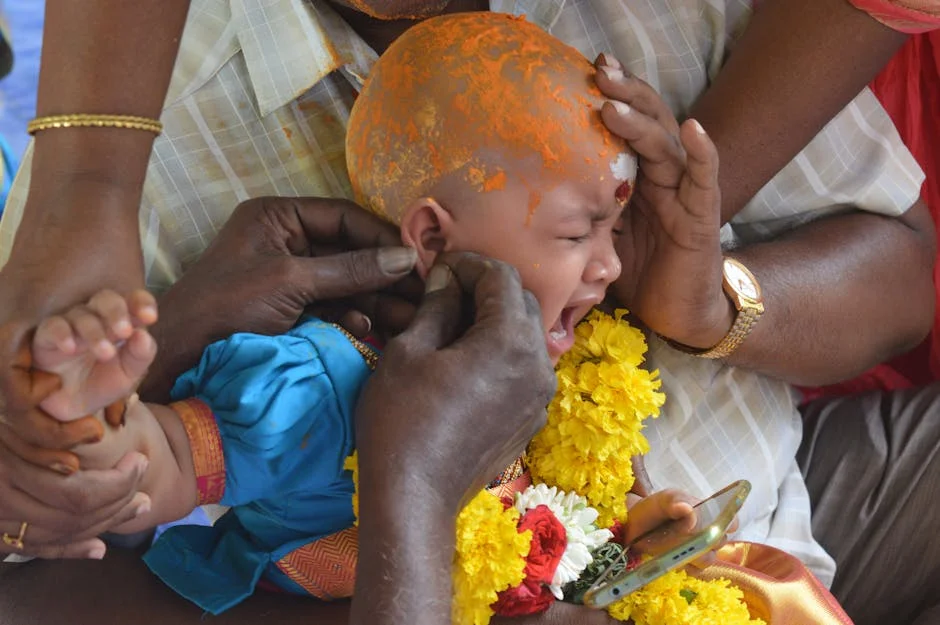
“Saint Ramanuja’s philosophy has shaped our way of life,” said Priya Reddy, a local teacher and devotee. “His message of inclusivity continues to inspire us, especially in a society that still grapples with social divides.” The event also featured a special puja (prayer ceremony) led by the head priest of the Tirupati temple, who emphasized the saint’s role in promoting harmony among different communities.
Impact on Local Economy and Tourism
The annual celebrations have a significant impact on Tirupati’s local economy. Hotels, restaurants, and small businesses see a surge in activity during the week leading up to the event. According to the Tirupati Tourism Board, the influx of visitors generated over ₹25 crore (approximately $3 million) in revenue last year, supporting thousands of jobs in the hospitality and retail sectors. Small vendors, in particular, benefit from the increased foot traffic, with many setting up stalls selling traditional sweets, garments, and religious artifacts.
“This event brings much-needed income to our families,” said Ravi Kumar, a local shopkeeper. “It’s not just about religion—it’s about survival.” The government has also invested in infrastructure improvements, including better road access and sanitation facilities, to accommodate the growing number of pilgrims. These developments have had a ripple effect on the surrounding villages, where many residents work in the tourism sector.
Social and Cultural Influence
While Saint Ramanuja’s influence is most visible in religious settings, his teachings have also shaped social attitudes in the region. His advocacy for the inclusion of all castes in spiritual practices has inspired movements for social reform, particularly among lower-caste communities. In Tirupati, several local NGOs and cultural groups use the saint’s legacy as a foundation for initiatives promoting education and empowerment.
“Ramanuja’s ideas are still relevant today,” said Dr. Anand Mehta, a sociologist based in Hyderabad. “His emphasis on ethical living and social justice resonates with many young people in the region who are seeking meaningful ways to contribute to society.” The event also serves as a platform for interfaith dialogue, with leaders from different religious backgrounds attending to learn about the saint’s teachings and their modern applications.
Education and Youth Engagement
Local schools and colleges have increasingly incorporated Saint Ramanuja’s life and philosophy into their curricula. In Tirupati, students participate in essay competitions, debates, and cultural programs that explore his contributions to Hindu thought. This effort aims to instill a sense of pride and historical awareness among the younger generation.
“We want our children to understand their heritage,” said Meera Patel, a school principal. “Ramanuja’s story is not just about religion—it’s about human values.” The government has also launched a digital archive to preserve and disseminate information about the saint’s teachings, making them accessible to a wider audience.
Looking Ahead: Future of the Celebrations
As Tirupati continues to grow, the challenge lies in preserving the spiritual essence of the event while accommodating increasing demand. Organizers are planning to expand the celebrations in 2024, with new initiatives aimed at promoting sustainability and reducing environmental impact. The Tirupati Temple Administration has also announced a partnership with local universities to conduct research on the saint’s legacy and its relevance in contemporary society.
What to watch next: The upcoming 2024 celebrations will be a key indicator of how the community balances tradition with modernization. With a growing focus on digital engagement and youth participation, the event is set to evolve while maintaining its cultural roots.
See Also
- Plateau Police Ban Tricycles During Sallah — Commuters Face Shock
- Milwaukee Brewers Dominate Diamondbacks — How It Impacts Nigerian Fans
What is the latest news about tirupati marks saint ramanujas birthday with grand celebrations?
Why does this matter for economy-business?
What are the key facts about tirupati marks saint ramanujas birthday with grand celebrations?