Game rangers in Mozambique’s Niassa Reserve say trophy hunting is a vital tool for conservation, despite global criticism. The region, one of Africa’s last great wildernesses, has seen a rise in anti-poaching efforts funded by high-fee hunts. But local communities remain divided over the practice, with some fearing it perpetuates inequality and others seeing economic benefits.
How Trophy Hunting Works in Niassa
Trophy hunting in Niassa involves wealthy international hunters paying up to $25,000 for a permit to shoot a large animal, such as a lion or elephant. The fees go toward conservation, anti-poaching units, and community development projects. Since 2018, the Mozambican government has allowed limited hunting in the reserve, which spans over 42,000 square kilometers.
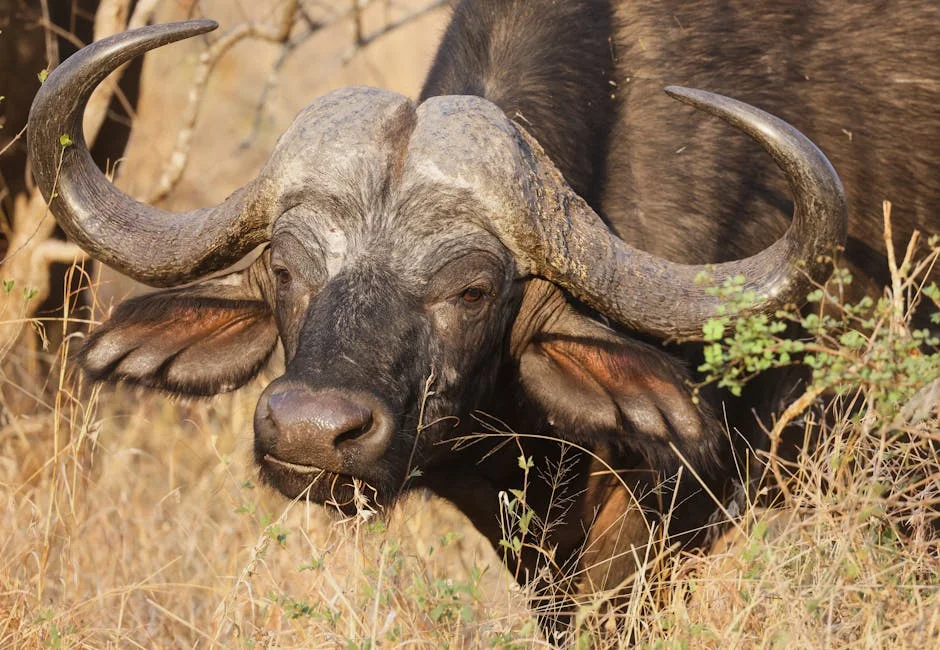
“This is not about killing animals,” says João Silva, a conservation officer with the Niassa Conservation Area. “It’s about generating funds for the people who live here and protecting wildlife from poachers.” Silva estimates that the hunting program has funded over 200 jobs in the area, including rangers and community outreach workers.
Local Communities Feel the Impact
Residents in nearby villages, such as Mavoko, report mixed reactions. Some say the money has improved infrastructure, including a new school and clinic. Others, however, argue that the benefits are unevenly distributed and that the practice is ethically questionable.
“We don’t want to see animals killed for sport,” says Amina Dlamini, a local farmer. “But we also need jobs and better services.” Dlamini’s family has lived in the area for generations, and she says the hunting program has brought some stability, though not without controversy.
The Niassa Reserve is one of the few places in Africa where lions still thrive in significant numbers. Conservationists warn that without sustainable funding, poaching and habitat loss could devastate the region’s wildlife. But critics say the economic model is flawed and that alternative strategies, such as eco-tourism, could be more effective.
Alternatives to Trophy Hunting
Some conservation groups advocate for eco-tourism, which allows visitors to observe wildlife without killing it. In nearby Zimbabwe, for example, eco-tourism has generated significant revenue while preserving animal populations. However, the Niassa Reserve lacks the infrastructure to support large-scale tourism, making trophy hunting a more immediate solution.
“Eco-tourism is the future, but it takes time to build,” says Dr. Linda Nkosi, a wildlife researcher based in South Africa. “Trophy hunting is a short-term fix that may not be sustainable long-term.”
What’s Next for Niassa?
The Mozambican government is expected to review the hunting program in 2025, with pressure from both conservationists and local communities. The outcome could determine whether the practice continues or is replaced with other conservation models.
For now, the debate continues. While some see trophy hunting as a necessary evil, others view it as a symbol of exploitation. As the region moves forward, the balance between conservation, economics, and ethics will shape its future.
Readers should watch for the 2025 review, which could mark a turning point for wildlife management in the Niassa Reserve and beyond.
See Also
- PJ Director Defies Media Pressure in Vida March Case
- Gavaskar Demands Stricter IPL Withdrawal Rules Amid Twoyear Crisis