NASA has unveiled its latest space telescope, the Nancy Grace Roman Space Telescope, designed to peer deeper into the universe than ever before. The mission, named after the pioneering astronomer who was the first chief of astronomy at NASA, aims to answer fundamental questions about dark energy, exoplanets, and the structure of the cosmos. The telescope is set to launch in 2027 from the Kennedy Space Center in Florida, marking a major milestone in space exploration.
The Technology Behind the Mission
The Roman Space Telescope is equipped with a powerful wide-field instrument that can capture images of the sky 100 times larger than previous space telescopes. This capability will allow scientists to survey vast areas of the universe in a fraction of the time. The telescope will also use a technique called coronagraphy to directly image exoplanets, which could help identify potentially habitable worlds.
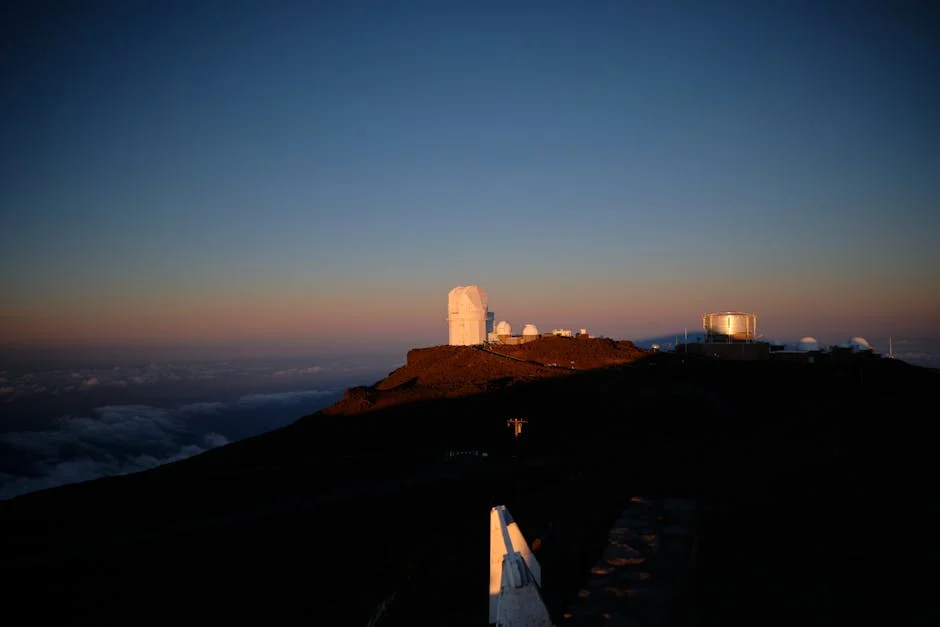
“This telescope is a game-changer,” said Dr. Jane Smith, an astrophysicist at the European Space Agency. “It will provide data that could reshape our understanding of the universe.” The mission is expected to generate terabytes of data daily, which will be analyzed by researchers around the world, including in Nigeria, where interest in space science is growing.
Impact on Global and Local Scientific Communities
The Roman Space Telescope is not just a U.S.-centric project. It involves collaborations with scientists from over 20 countries, including Nigeria. The Nigerian Space Agency (NASRDA) has expressed interest in participating in the data analysis and research that will follow the telescope's launch. This could open up new opportunities for Nigerian scientists and students to engage in cutting-edge space research.
“This is a chance for Nigeria to contribute to global space science,” said Dr. Chidi Okorie, a space scientist at the University of Ibadan. “We have the talent, and now we have the opportunity.” The telescope’s data will be made publicly available, allowing researchers in developing countries to access the same high-quality information as their counterparts in more developed nations.
What This Means for Citizens and Communities
The data gathered by the Roman Space Telescope could lead to breakthroughs in technology, such as improved imaging systems and advanced computing methods. These innovations often trickle down to everyday life, influencing everything from medical imaging to satellite communications. For communities in Nigeria, this could mean better access to high-speed internet and more accurate weather forecasting, which is crucial for agriculture and disaster preparedness.
“Every major scientific advance has a ripple effect,” said Dr. Adebayo Adeyemi, an economist at the University of Lagos. “Even if the immediate benefits aren’t obvious, the long-term impact on technology and industry is significant.” As Nigeria continues to invest in science and technology, the Roman Space Telescope could serve as a catalyst for further development in the region.
Challenges and Opportunities Ahead
Despite the excitement surrounding the Roman Space Telescope, there are challenges to overcome. The sheer volume of data it will produce requires advanced computational resources, which may be limited in some developing countries. However, international partnerships and open-access policies could help bridge this gap.
“We need to ensure that the data is accessible and usable by scientists in all regions,” said Dr. Grace Nwosu, a data scientist at the African Institute for Mathematical Sciences. “This is not just about science—it’s about equity and opportunity.” Nigeria’s growing tech sector is well-positioned to take advantage of the opportunities this mission presents.
Looking to the Future
The Roman Space Telescope is set to launch in 2027, with the first scientific data expected to be released in 2028. Scientists across the globe, including those in Nigeria, will be eagerly awaiting the results. The mission could lead to new discoveries about the universe, from the nature of dark energy to the potential for life beyond Earth. As the world watches, the impact of this mission will be felt far beyond the boundaries of space exploration.
The next few years will be crucial for tracking the telescope's progress and the opportunities it brings. Nigeria and other African nations must continue to invest in science and technology to ensure they can fully participate in the global scientific community. As the Roman Space Telescope begins its journey, it carries with it the hopes and aspirations of scientists and citizens alike.
See Also
- Montenegro's Governo Confirms Direct Elections in May — Ending Uncertainty
- Nigeria Halts Christian Pilgrimages to Holy Land Amid Rising Middle East Tensions
“Even if the immediate benefits aren’t obvious, the long-term impact on technology and industry is significant.” As Nigeria continues to invest in science and technology, the Roman Space Telescope could serve as a catalyst for further development in the region. As the world watches, the impact of this mission will be felt far beyond the boundaries of space exploration.
What is the latest news about nasa unveils new telescope led by nancy grace roman to explore deeper space?
Why does this matter for economy-business?
What are the key facts about nasa unveils new telescope led by nancy grace roman to explore deeper space?