Indian dating apps such as Sirf Coffee and Aisle have recorded a 35% rise in paying users in small cities, according to recent data from the National Digital Economy Council. This growth has sparked interest among investors and raised questions about how these platforms are reshaping social interactions and local economies in regions like Tamil Nadu and Uttar Pradesh. The trend reflects a broader shift in digital adoption, with younger populations embracing online dating as a viable alternative to traditional matchmaking.
Users Embrace Digital Matchmaking
Residents in cities such as Coimbatore and Kanpur have seen a noticeable shift in dating habits. With more than 60% of users on platforms like Aisle and Truly Madly now opting for premium subscriptions, the demand for enhanced features has grown. “I started using Sirf Coffee after my friends recommended it. It’s more convenient than going to parties,” said Ravi Sharma, a 28-year-old software engineer from Coimbatore. The app’s success in smaller cities highlights a growing comfort with digital relationships, even in conservative communities.
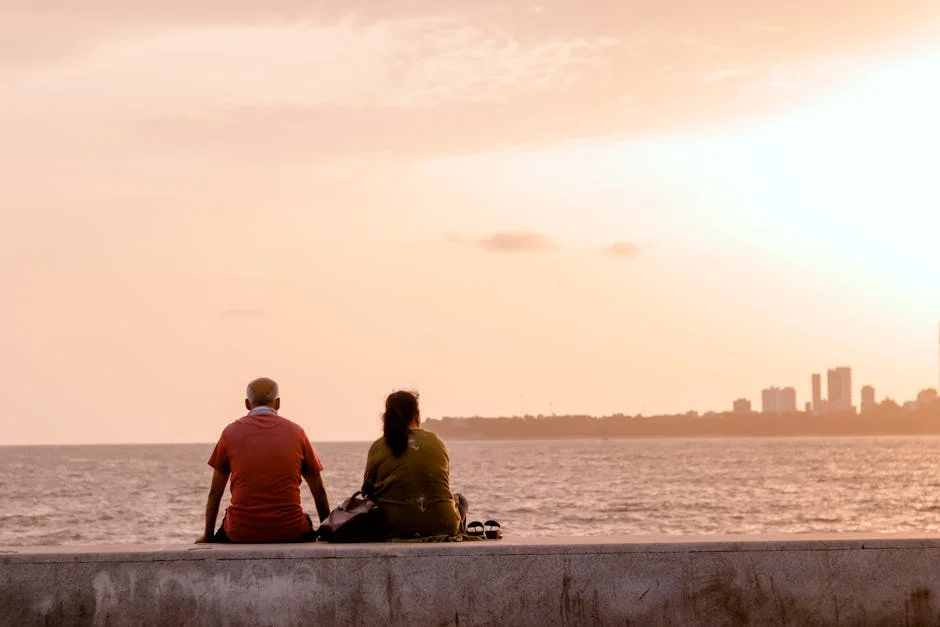
Local businesses are also benefiting. In Kanpur, small cafes and co-working spaces have become popular meeting spots for app users, leading to increased foot traffic. “We’ve seen a 20% rise in customers from app users,” said Priya Mehta, owner of a café in the city. This trend suggests that dating apps are not only changing how people meet but also how local economies function.
Impact on Social Norms and Community Dynamics
The rise of paid dating platforms has sparked debates about their influence on traditional social structures. In many small cities, arranged marriages remain the norm, but younger generations are increasingly turning to apps for personal choice. “It’s a shift in how we view relationships,” said Dr. Anjali Kapoor, a sociologist at Delhi University. “These apps offer a space for people to explore without the pressure of family expectations.”
Community responses vary. While some view the trend positively, others worry about the erosion of cultural values. In parts of rural Uttar Pradesh, local leaders have raised concerns about the spread of “Western” dating habits. “We fear it may lead to a breakdown in traditional family structures,” said village elder Ramesh Yadav. This tension highlights the complex interplay between modernity and tradition in India’s smaller cities.
Business Strategies Adapt to Local Markets
App developers are tailoring their strategies to appeal to smaller city audiences. Aisle, for instance, has launched localized content, including regional language support and culturally relevant matchmaking algorithms. “We’re seeing higher engagement in cities where we’ve introduced these features,” said Aisha Patel, a product manager at Aisle. The company has also partnered with local influencers to build trust among users who are skeptical of digital platforms.
Meanwhile, Sirf Coffee has expanded its services beyond matchmaking, offering virtual events and relationship coaching. “We’re not just an app—we’re a community,” said CEO Ravi Mehta. These efforts reflect a broader strategy to make digital dating more accessible and relatable to users in regions where internet penetration is still growing.
Challenges and Opportunities
Despite the growth, challenges remain. Data privacy concerns and limited internet access in some areas continue to hinder adoption. In rural parts of Tamil Nadu, for example, only 40% of residents have regular access to high-speed internet, according to the National Digital Economy Council. “We’re working with local telecom providers to improve connectivity,” said Mehta. This collaboration is crucial for expanding the reach of these platforms.
At the same time, the rise of paid dating apps presents new economic opportunities. Freelance relationship coaches, content creators, and even app developers are finding ways to monetize the trend. “There’s a whole ecosystem forming around this,” said economist Arjun Desai. “It’s not just about dating—it’s about building a digital economy in small cities.”
What’s Next for the Sector?
With the government planning to launch a digital literacy initiative in 2024, the future of dating apps in small cities looks promising. However, the success of platforms like Aisle and Sirf Coffee will depend on their ability to address local concerns and maintain user trust. As more people turn to these apps for companionship, the impact on social and economic structures will continue to evolve.
By 2025, industry analysts predict that the paid user base in small cities could double. For now, the focus remains on how these platforms will shape relationships, economies, and cultural norms in India’s growing digital landscape.
See Also
- South Africa's Luxury Estate Ranks Among Top Global Wellness Destinations
- UAE Sentences 21 People for Filming Iran Attacks in Dubai