The consecration of the ancient Shiva temple in Tirupati, Andhra Pradesh, has drawn thousands of devotees and sparked discussions on the cultural and spiritual significance of the Manusha Linga, a unique representation of the deity. The ceremony, which began on 15 June 2024, marks a major event in the region's religious calendar and has already influenced local businesses and community activities.
Historical and Spiritual Significance
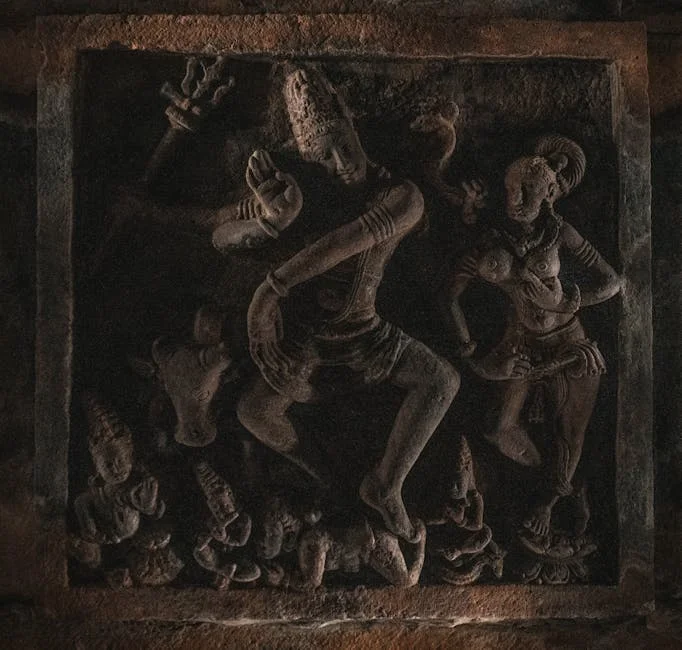
The Manusha Linga, or human-shaped Shiva linga, is a rare and sacred form of the deity, believed to symbolise the union of divine and human. The Tirupati temple, one of the oldest in South India, has been a pilgrimage site for centuries, but this consecration is the first of its kind in over 200 years. The event has been overseen by the Tirumala Tirupati Devasthanams (TTD), a government-recognised religious trust that manages the temple complex.
The ceremony included rituals led by senior priests and was attended by thousands of devotees from across India. The TTD reported that over 50,000 people participated in the initial days of the event, with many travelling from states like Tamil Nadu, Karnataka, and Kerala. The temple's annual revenue typically exceeds ₹200 crore, and this consecration is expected to boost tourism and local commerce in the region.
Local Economy and Community Response
The consecration has already had a noticeable impact on Tirupati’s local economy. Hotels, food stalls, and transport services have seen a surge in demand, with many businesses reporting a 30% increase in revenue compared to the same period last year. Local vendors, such as those selling traditional sweets and religious souvenirs, have also benefited from the influx of visitors.
Community leaders in Tirupati have praised the event for fostering a sense of unity and cultural pride. “This is not just a religious event but a moment that brings people together,” said Ravi Kumar, a local councillor. “It reminds us of our shared heritage and the importance of preserving our traditions.”
Broader Regional Implications
While the event is rooted in local tradition, its influence extends beyond Tirupati. The consecration has sparked interest among scholars and religious groups in other parts of India, including Nigeria, where Shiva worship is not common but has been gaining attention in certain cultural and spiritual circles. Some Nigerian organisations have expressed interest in understanding the significance of the Manusha Linga and its role in Hindu tradition.
Experts in religious studies note that the consecration highlights the global reach of Hinduism and its ability to inspire devotion across cultures. “The Manusha Linga is a powerful symbol of the divine,” said Dr. Amina Yusuf, a cultural analyst based in Lagos. “Its consecration in Tirupati serves as a reminder of the deep spiritual connections that exist beyond geographical boundaries.”
Religious and Cultural Exchange
The event has also led to increased dialogue between religious institutions in India and those in other parts of the world. The TTD has announced plans to host a virtual session on the significance of the Manusha Linga, inviting scholars and religious leaders from different backgrounds to participate. This initiative is part of a broader effort to promote interfaith understanding and cultural exchange.
For communities in Nigeria, where religious diversity is high but Hinduism remains a minority faith, the event has generated curiosity and discussion. Some Nigerian media outlets have covered the story, highlighting the unique aspects of the Manusha Linga and its historical context. While direct religious impact in Nigeria remains limited, the event has contributed to a growing awareness of Hindu traditions.
Looking Ahead
The consecration ceremony is expected to continue for several weeks, with additional rituals planned for the coming months. The TTD has also announced that the temple will remain open for pilgrims beyond the initial period, allowing more people to participate in the spiritual experience.
For now, the focus remains on the ongoing rituals and the cultural significance of the Manusha Linga. As the event unfolds, it will be interesting to see how it influences both local communities in Tirupati and the broader global conversation on religious traditions and cultural heritage.
See Also
- Lajes Developments Shake Nigeria: What It Means for Economic Growth
- Indian Navy Safeguards LPG-Laden Ship Amid Missile Fears Near Hormuz
Experts in religious studies note that the consecration highlights the global reach of Hinduism and its ability to inspire devotion across cultures. Some Nigerian organisations have expressed interest in understanding the significance of the Manusha Linga and its role in Hindu tradition.
What is the latest news about tirupati consecrates ancient shiva temple amid regional devotion?
Why does this matter for economy-business?
What are the key facts about tirupati consecrates ancient shiva temple amid regional devotion?