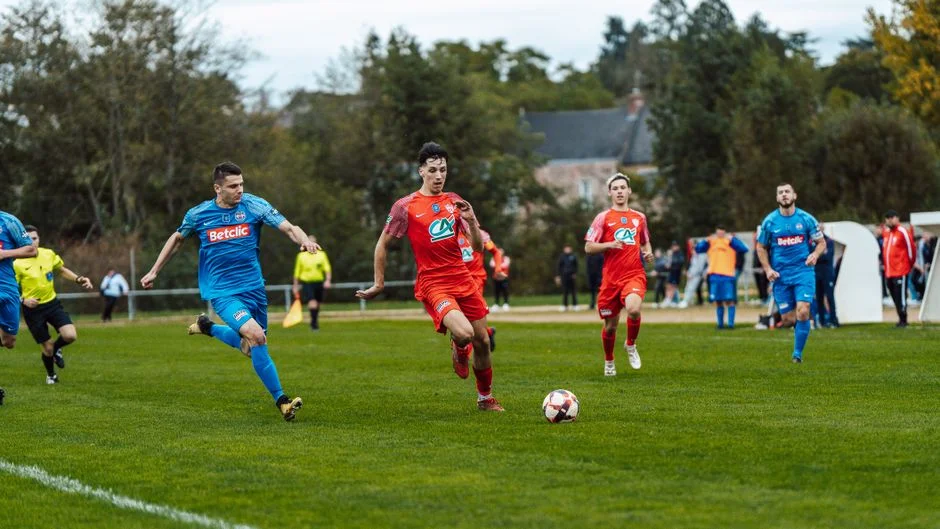
Portuguese football manager José Mourinho has not confirmed his future with Benfica, leaving fans and stakeholders in the Alvalade region in limbo. The 60-year-old coach, known for his tactical acumen and leadership, has not ruled out staying but also hasn't guaranteed his continuation beyond the current season. His comments come amid speculation about his potential return to Sporting, a rival club based in Lisbon, which has a significant following in Nigeria and other West African countries.
Mourinho’s Ambiguity Sparks Concerns in Lisbon
Mourinho’s lack of clarity has raised questions among Benfica supporters, particularly in the Alvalade district, where the club is a cultural and economic cornerstone. The team’s recent performance has been inconsistent, with a 2-1 loss to Porto in the last league match. Fans worry that without a clear leadership plan, the club’s competitiveness could suffer. “We need stability, not uncertainty,” said local business owner Ana Ferreira, whose shop near the stadium has seen a dip in foot traffic during recent matches.
The situation is especially sensitive in a region where football is more than just a sport—it’s a unifying force. Benfica’s presence in Alvalade generates thousands of jobs, from stadium staff to local vendors. A leadership change could ripple through the community, affecting everything from employment to local events. “Benfica is part of our identity,” said community leader Carlos Silva. “We need to know where we stand.”
Impact on Nigerian Football Fans and Markets
For Nigerian fans, Mourinho’s potential move has sparked debate. His tactical style and managerial reputation have made him a figure of interest in the West African football scene. The Nigerian Premier League has seen several clubs try to emulate his methods, and his absence from Benfica could affect the flow of ideas and strategies. “Mourinho’s influence on African football is undeniable,” said sports analyst Adebayo Adeyemi. “His decisions in Portugal have a direct impact on how we view coaching and management here.”
Financially, the uncertainty could affect the transfer market. Benfica has been a hub for African talent, and Mourinho’s potential exit may slow down player movements. For example, the club’s recent loan deal with Nigerian forward Chikezie Uche could be affected if a new manager takes over. “If Mourinho leaves, it could change the dynamics of how we approach transfers,” said Uche’s agent, Nwankwo Chukwu. “We need to see who will be in charge.”
Football in Nigeria is closely watched by fans, and any shift in Portuguese football leadership is closely followed. The Nigerian media has already picked up on the news, with headlines like “Mourinho’s Future Could Shape African Football” appearing in major outlets. “This isn’t just about one man,” said sports journalist Zainab Hassan. “It’s about how decisions in Europe shape what happens on the continent.”
What’s Next for Benfica and Its Fans?
Benfica’s board is expected to make a statement in the coming weeks, but until then, uncertainty remains. The club has not yet responded to Mourinho’s comments, and fans are waiting for clarity. In the meantime, the Alvalade community continues to watch closely, aware that the decision could shape the club’s future and, by extension, their own.
The situation also raises broader questions about leadership in football. With the 2024-25 season approaching, the club needs to make strategic decisions. If Mourinho stays, it could bring stability; if he leaves, it may trigger a search for a new manager. Either way, the impact on the region and beyond is clear. “We’re not just talking about a coach,” said community organizer Maria Costa. “We’re talking about the future of our club, our economy, and our culture.”
As the summer transfer window nears, the focus will shift to who will lead Benfica. For now, the Alvalade district remains on edge, waiting for answers that could reshape the club’s direction and its influence across the continent.
See Also
- Valter Madureira Launches New Initiative to Boost African Education
- Nasir el-Rufai's Trial Begins in Kaduna — Community Braces for Impact