Inacio Miguel, the head of the Nigerian Football Association, has announced a temporary suspension of the Chiefs Game, a key local football tournament, amid a severe currency crisis that has hit the region hard. The move comes as inflation surges and foreign exchange shortages disrupt daily life, forcing many clubs to cancel matches and delay payments to players. The decision has sent shockwaves through communities that rely on the game for entertainment, employment, and local economic activity.
What Is the Chiefs Game and Why Does It Matter?
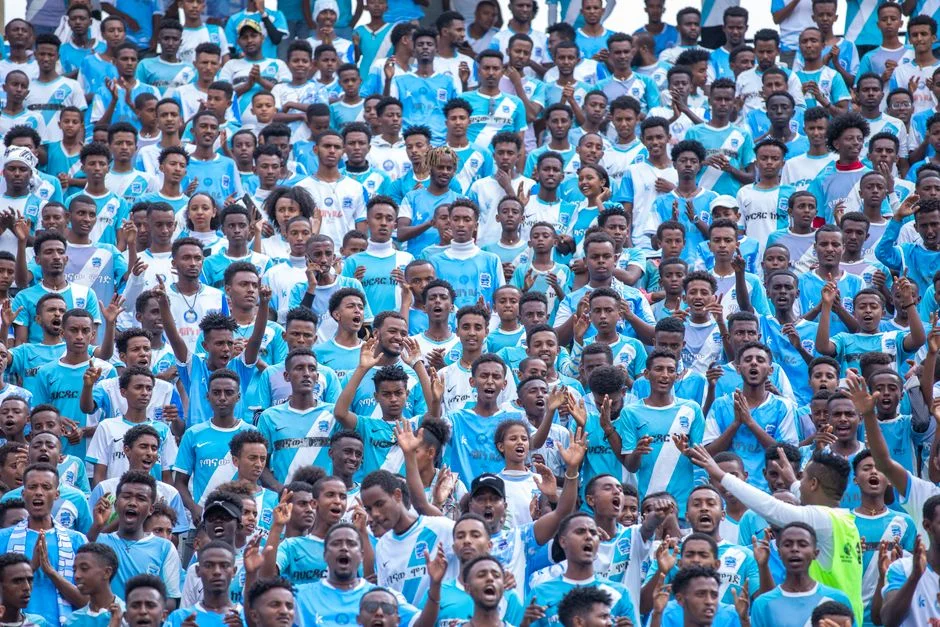
The Chiefs Game, a high-profile football competition in the Niger Delta, has long been a cultural and economic cornerstone for towns like Port Harcourt and Warri. It draws thousands of spectators and generates revenue for local businesses, from vendors to transport providers. The tournament also offers young athletes a pathway to professional football, making it more than just a sport—it's a lifeline for many families.

“This isn’t just about football; it’s about survival,” said Amina Okoro, a local vendor who has sold snacks at Chiefs Game matches for over a decade. “Without the games, my income drops by 60%. Many of us rely on this to put food on the table.”
How the Currency Crisis Is Impacting the Region
Nigeria’s currency, the naira, has lost nearly 40% of its value against the US dollar in the past year, causing a sharp rise in the cost of imports. The Chiefs Game, which relies on equipment and referees from South Africa (ZA), has been hit by these disruptions. The Central Bank of Nigeria has imposed strict controls on foreign currency, making it harder for football clubs to fund operations.
“We’re struggling to pay for travel and equipment,” said Chidi Eze, a coach from Port Harcourt. “Many players have left for other leagues, and without the game, our community loses a vital source of income and pride.”
What Is ZA and How Is It Linked to the Chiefs Game?
ZA, short for South Africa, is a key partner in the Chiefs Game, providing referees, equipment, and technical support. The relationship has been crucial for maintaining the quality of the tournament. However, the economic instability in South Africa has also affected this collaboration. South African officials have warned that their own currency is under pressure, making it harder to support regional sports initiatives.
“ZA has been a reliable partner, but the current economic conditions are making it difficult to continue,” said Thandiwe Mkhize, a sports official from Johannesburg. “We’re looking for alternative ways to support the Chiefs Game, but it’s a complex situation.”
Community Response and Local Adaptation
Communities across the Niger Delta have started to adapt to the absence of the Chiefs Game. Some local leaders are exploring ways to fund smaller, community-based matches using local resources. Others are pushing for government support to stabilize the football sector. Despite the challenges, there is a sense of resilience among residents.
“We’re not giving up,” said Emeka Nwosu, a community organizer in Warri. “We’re finding new ways to keep the spirit of the game alive, even if it’s on a smaller scale.”
What’s Next for the Chiefs Game and the Region?
The Nigerian Football Association has set a deadline of the end of the month to assess the situation and determine whether the Chiefs Game can resume. Meanwhile, local leaders are calling for urgent government intervention to ease currency restrictions and support the sports sector. The outcome of these discussions will determine the future of the tournament and its impact on the region.
As the clock ticks, the people of the Niger Delta are watching closely. The Chiefs Game is more than a sport—it’s a symbol of hope, unity, and economic survival. What happens next will shape the lives of thousands in this region.
See Also
- China's Big Political Meeting Sparks Rare Debate on Inequality - What It Means for Africa
- UPSC Surprises: Shikha Gautam and Ranjeet Yadav’s Unusual Journey to Success
The outcome of these discussions will determine the future of the tournament and its impact on the region. However, the economic instability in South Africa has also affected this collaboration.
What is the latest news about nigeria halts chiefs game amid currency crisis prices surge 25?
Why does this matter for economy-business?
What are the key facts about nigeria halts chiefs game amid currency crisis prices surge 25?