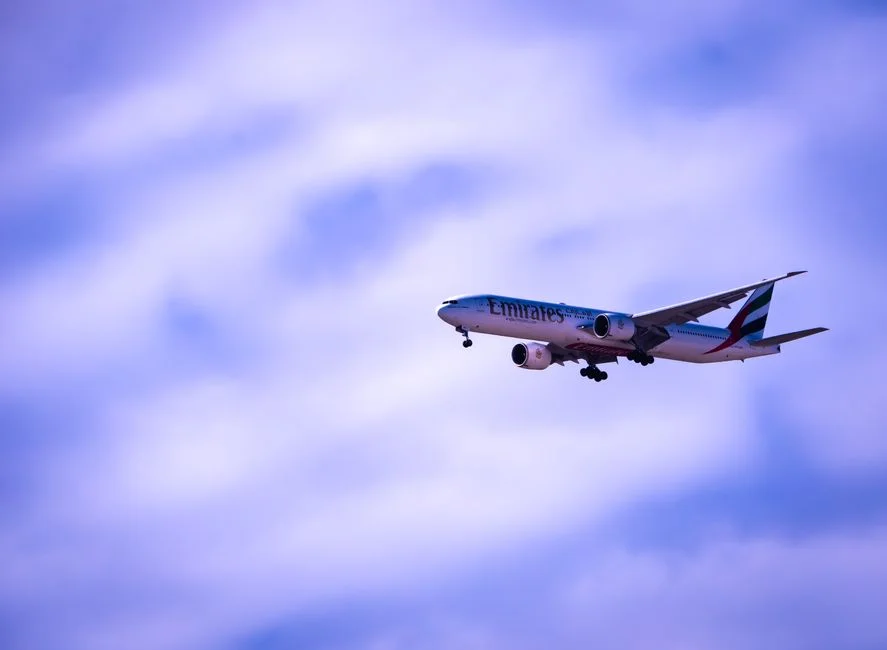
China’s major airlines have canceled over 300 flights to and from Singapore this week as a regional fuel crisis disrupts air travel. The cancellations, announced by the Civil Aviation Authority of Singapore (CAAS), have left thousands of passengers stranded and raised concerns over the impact on tourism and business travel in Southeast Asia.
Flight Cancellations Disrupt Travel Plans
The sudden wave of cancellations began on Monday, with airlines such as Air China and China Southern reporting disruptions in their schedules. The CAAS confirmed that over 30% of flights to and from China were affected in the first three days of the crisis. Passengers in cities like Guangzhou and Shenzhen have been advised to check their bookings regularly as more cancellations are expected.
“This is the worst disruption I’ve seen in years,” said Li Wen, a travel agent based in Singapore. “Many of my clients were planning family trips or business meetings, and now they have to rebook at short notice.”
Regional Fuel Shortage Sparks Widespread Concern
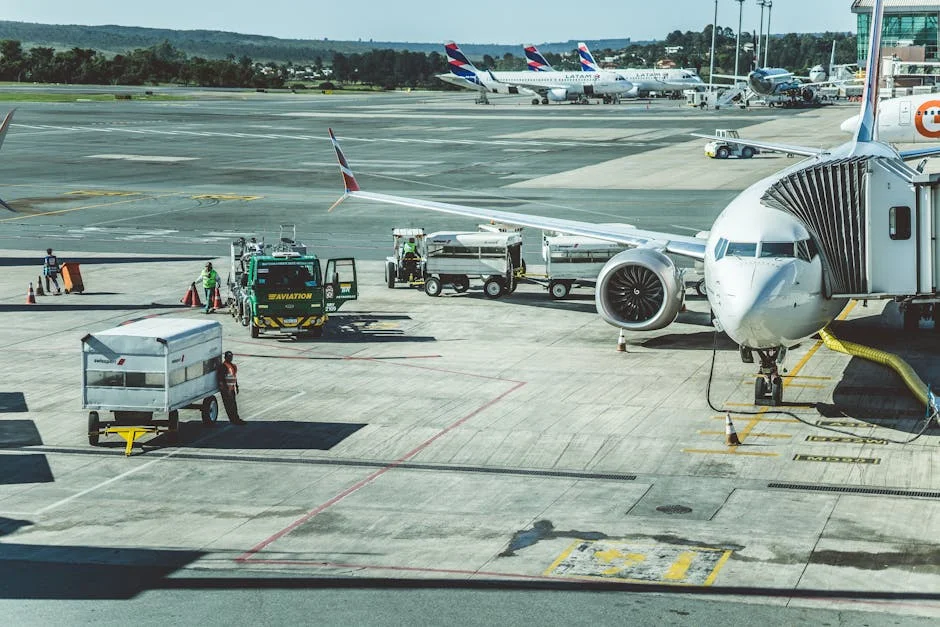
The crisis stems from a shortage of aviation fuel at Changi Airport, Singapore’s main hub, which has been exacerbated by supply chain delays and rising global fuel prices. The Singapore Ministry of Transport has confirmed that the issue is not limited to one airline but affects the entire regional network. Fuel suppliers have been working to resolve the shortage, but the situation remains unstable.
“We are closely monitoring the situation and working with stakeholders to minimize the impact on travelers,” said a spokesperson for the Ministry of Transport. “However, it may take several days for the supply to stabilize.”
Impact on Local Economy and Tourism
The cancellations are hitting Singapore’s tourism sector hard. With many Chinese travelers typically visiting the city for shopping, dining, and entertainment, the sudden drop in flights has led to reduced foot traffic in key areas like Orchard Road and Marina Bay. Hotels and restaurants in the city are reporting lower occupancy rates, with some businesses already adjusting their operations.
“We’ve lost about 40% of our bookings for the next two weeks,” said Aisha Tan, a manager at a boutique hotel near the airport. “It’s a huge blow, especially since we were expecting a busy season.”
Travelers Seek Alternatives
Many affected travelers are turning to alternative routes, including connecting flights through other Southeast Asian hubs like Kuala Lumpur and Bangkok. However, these options are often more expensive and time-consuming. Some passengers have also opted to cancel their trips altogether, adding to the financial strain on travel agencies and airlines.
“I had to cancel my vacation to Bali because the flight was canceled,” said Chen Wei, a software engineer from Beijing. “It’s frustrating because I had everything planned.”
Government and Industry Response
Singapore’s transport ministry has urged airlines to provide clear communication to passengers and has pledged to assist with rebooking and refunds. The Civil Aviation Authority has also reached out to international partners to ensure fuel supplies can be rerouted if needed. Meanwhile, the Singapore Tourism Board is preparing a campaign to attract local and regional tourists to offset the loss of Chinese travelers.
“We are exploring all possible solutions to restore normal operations as quickly as possible,” said a spokesperson for the Singapore Tourism Board. “We are also looking at ways to promote other tourist destinations to keep the sector resilient.”
What’s Next for Travelers and the Region?
Travelers are advised to stay updated with their airline’s announcements as more cancellations could occur in the coming days. The fuel shortage is expected to remain a challenge until at least the end of the week, with some experts warning of potential long-term effects on regional air travel. Airlines and airports are also preparing for possible further disruptions as global fuel prices remain volatile.
For now, passengers are being urged to plan ahead and consider flexible travel options. The situation will be closely monitored, with updates expected from both the Singapore and Chinese authorities in the next 48 hours.
See Also
- With Reveals Security Protocols: Why Speed Kills in African Development
- South Africa's AI Push Faces Dual Challenges
The fuel shortage is expected to remain a challenge until at least the end of the week, with some experts warning of potential long-term effects on regional air travel. See AlsoWith Reveals Security Protocols: Why Speed Kills in African DevelopmentSouth Africa's AI Push Faces Dual Challenges