The Nigerian government has officially ended the Sifide program, a controversial initiative that provided financial support to low-income households, but the broader regulatory framework it introduced will remain in place until the end of 2026. The decision, announced by the Ministry of Finance, comes amid mounting pressure from the National Assembly to address concerns about the program’s sustainability and transparency. The move has sparked debate across the country, with citizens and local businesses questioning how the new rules will affect their daily lives.
What is Sifide and Why It Matters
Sifide, short for "Sistema de Incentivo e Desenvolvimento Económico," was launched in 2021 to support informal sector workers and small businesses through direct cash transfers. The program was initially praised for its rapid deployment and reach, with over 2 million beneficiaries across Lagos, Kano, and Abuja. However, critics argued that the system lacked oversight, leading to allegations of fraud and mismanagement. In a statement, Finance Minister Wale Edun said, “The Sifide program has served its purpose, but the regulatory framework it introduced is essential for long-term economic stability.”

The program’s end has raised concerns among local traders and workers who relied on the monthly payments. “Without Sifide, I can’t afford to pay my rent or buy food for my children,” said Amina Bello, a market vendor in Lagos. “The new rules don’t offer the same support, and I’m worried about how I’ll make ends meet.”
New Rules to Stay Until 2026
While the Sifide program is no longer active, the regulatory system it introduced—covering financial reporting, tax compliance, and business licensing—will continue to apply. This includes stricter documentation requirements for small businesses and a centralized database to track financial transactions. The National Assembly passed the Sifide Regulatory Act in 2023, which was meant to ensure transparency but has since been criticized for complicating operations for local entrepreneurs.
Business owners in Kano have reported increased administrative burdens. “We now have to submit more paperwork and wait longer for approvals,” said Bashir Umar, a clothing retailer. “This is making it harder to run our shops, especially during the busy holiday season.”
Impact on Daily Life and Local Economy
The end of Sifide has had a direct impact on household budgets, particularly in urban areas where informal work is common. According to the National Bureau of Statistics, over 60% of Nigerians rely on informal employment, and many of them were beneficiaries of the program. Without the monthly cash transfers, families are struggling to cover basic needs. In Abuja, local NGOs have reported a 30% increase in requests for food aid since the program ended.
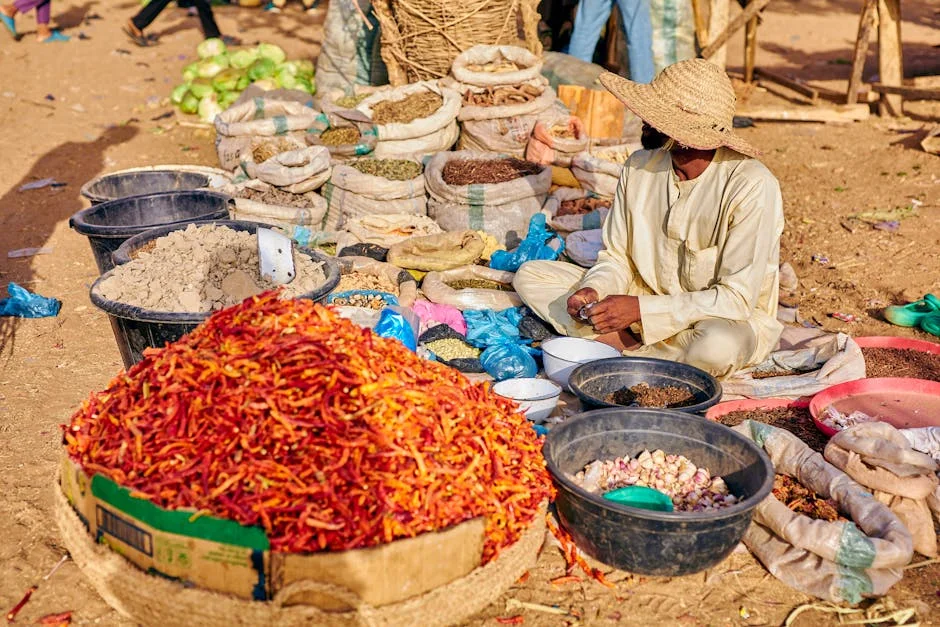
Local economies are also feeling the strain. In Lagos, street vendors and small traders have seen a decline in foot traffic, with some reporting a 20% drop in sales. “People are spending less because they’re worried about their money,” said Josephine Okoro, a food seller at the Murtala Muhammed Market. “This is a big problem for us.”
Community Response and Calls for Action
Communities across Nigeria have reacted with mixed emotions. While some see the end of Sifide as a necessary step toward accountability, others fear it will deepen economic inequality. In Ogun State, a coalition of grassroots organizations has called for the government to introduce a new support system. “We need something that works for the poor, not just for the wealthy,” said Nia Ogunleye, a community leader in Ijebu-Ode.
The National Assembly has been urged to review the new regulations and consider adjustments. “The rules need to be more flexible,” said Senator Chidi Nwosu. “We can’t let the system hurt the very people it was meant to help.”
What to Watch Next
As the new regulatory framework takes effect, the government is expected to release a detailed implementation plan by the end of the month. This will include guidelines for small businesses and potential reforms to the tax system. Meanwhile, advocacy groups are pushing for a public consultation to address concerns about the impact on low-income families. Citizens are encouraged to stay informed as the government moves forward with its economic reforms.
The coming months will be critical for determining how these changes affect everyday Nigerians. With the new rules in place until 2026, the focus will shift to how effectively they are enforced and whether they truly support economic growth and stability.
See Also
- Pam Bondi Faces Congresso Probe Over Alleged Disobedience
- Jigawa and Kwara States Empower Women to Revive Local Economies
Meanwhile, advocacy groups are pushing for a public consultation to address concerns about the impact on low-income families. The coming months will be critical for determining how these changes affect everyday Nigerians.