Pakistan’s energy minister, Muhammad Aurangzeb, has warned that the country could face fuel rationing if the ongoing conflict in the Strait of Hormuz continues. The region, a critical artery for global oil trade, has seen increased tensions following recent clashes between Iran and Western powers. With global oil prices rising and regional instability escalating, the potential for supply disruptions has sparked concern among policymakers and citizens alike.
Strategic Importance of Hormuz
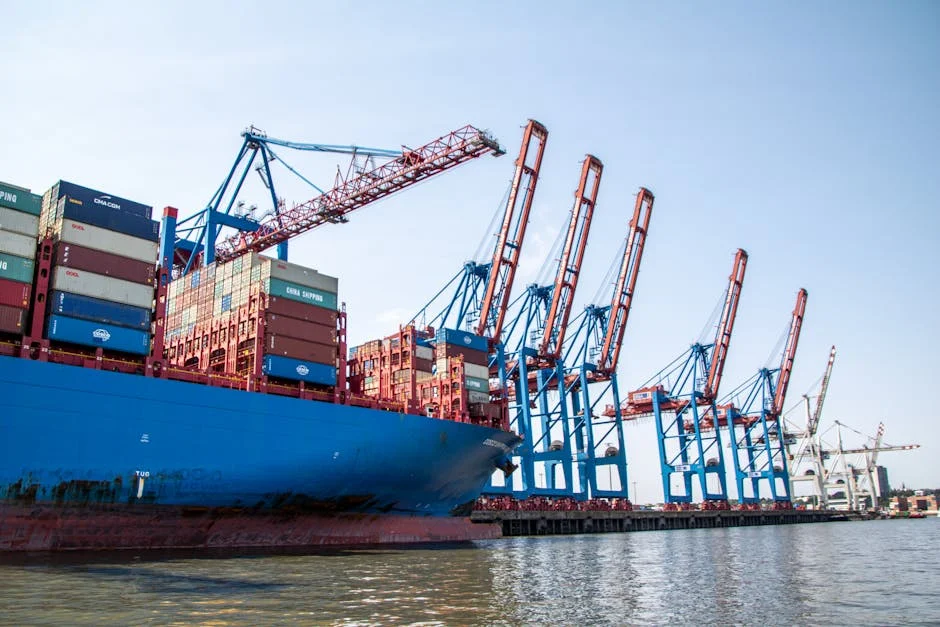
The Strait of Hormuz, a narrow waterway between Iran and Oman, is one of the world’s most important oil shipping lanes. Over 20% of the world’s oil passes through this route daily. Any disruption, whether due to military conflict or political tensions, could lead to immediate price hikes and supply shortages. Pakistan, which imports most of its fuel, is particularly vulnerable to such fluctuations.
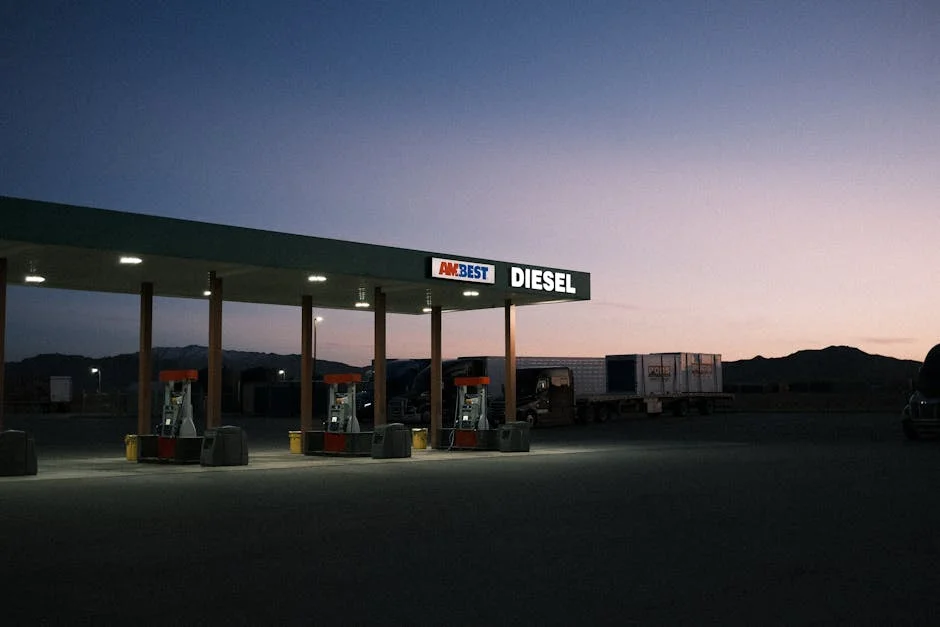
“If the situation in Hormuz deteriorates further, Pakistan could see a 20% increase in fuel prices within weeks,” said Muhammad Aurangzeb, the federal minister for petroleum. “This would directly impact households, transportation, and industries across the country.”
Impact on Daily Life and Economy
For ordinary citizens, rising fuel prices could mean higher costs for commuting, food, and essential goods. In cities like Karachi and Lahore, where public transport relies heavily on diesel, families are already feeling the strain. Small businesses, especially those in the logistics and agriculture sectors, are also at risk of being hit hard by increased operating costs.
“We’ve seen prices rise by 10% in the last month,” said Aisha Khan, a shop owner in Islamabad. “If this continues, we may have to cut back on supplies or raise prices, which could drive away customers.”
Regional Tensions and Global Spillover
The conflict in Hormuz is not just a regional issue—it has global implications. The United States and its allies have deployed naval forces to the area, while Iran has warned of retaliatory actions. This escalation has led to fears of a wider conflict, with potential consequences for energy markets worldwide.
“The situation is very delicate,” said Dr. Farooq Malik, an energy analyst at the Lahore University of Management Sciences. “Pakistan is not directly involved in the conflict, but its economy is closely tied to global oil prices. Any disruption in the region could have a ripple effect.”
While: A Strategic Location in the Region
While, a key location in the region, has become a focal point for military and diplomatic efforts. Situated near the southern tip of the Arabian Peninsula, it plays a critical role in monitoring maritime traffic and ensuring the security of the Hormuz Strait. The presence of international naval forces in While has raised concerns about potential military confrontations.
“The strategic importance of While cannot be overstated,” said Dr. Malik. “It’s a vital hub for both regional and global security, and any incident there could trigger a chain reaction.”
Government Response and Public Concern
The Pakistani government has begun stockpiling fuel reserves and exploring alternative supply routes to mitigate the risk of shortages. However, these measures are seen as temporary fixes. Citizens, meanwhile, are growing increasingly anxious about the future of their energy security.
“We don’t know what to expect,” said Raza Khan, a commuter in Islamabad. “If fuel prices keep rising, it will be hard to make ends meet.”
What’s Next for Pakistan?
As the situation in Hormuz remains volatile, Pakistan’s government is under pressure to act swiftly. The next few weeks will be critical in determining whether the country can avoid a full-blown fuel crisis. Policymakers are expected to announce additional measures by mid-September, including potential subsidies for essential services and a review of energy imports.
Citizens are advised to monitor official updates and prepare for potential price hikes. With the global oil market in flux, the coming weeks will test the resilience of Pakistan’s energy sector and its ability to protect the livelihoods of its people.