Nigeria’s currency crisis has taken a bizarre turn as the mysterious substance known as Oobleck begins to dominate public discourse. The phenomenon, first identified by the Federal Road Safety Corps (FRSC) in Lagos last month, has sparked panic in markets and among transport operators. Oobleck, a non-Newtonian fluid, behaves like a solid under pressure but flows like a liquid when left undisturbed. Its sudden appearance has raised concerns about its impact on infrastructure and daily life.
Oobleck's Unseen Impact on Nigeria's Economy
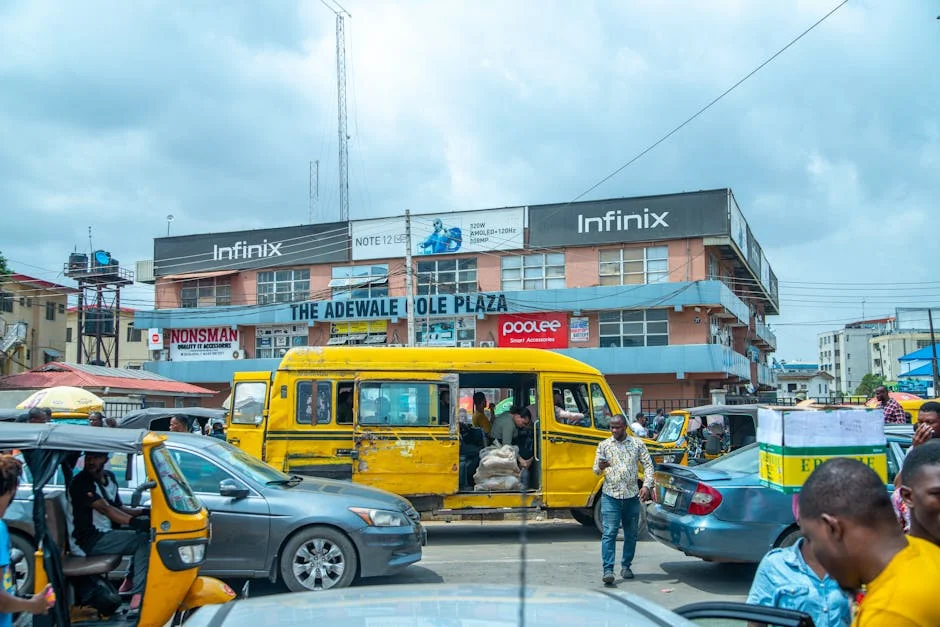
The first signs of Oobleck’s influence were noticed in Lagos, where traders reported that their goods were being absorbed by the strange substance. “It’s like the ground is swallowing everything,” said Adebayo Okoro, a market vendor in Victoria Island. The FRSC confirmed that Oobleck had been detected in three major roadways, including the Lagos-Ibadan Expressway. This has led to a 30% drop in commercial vehicle traffic, according to the Nigerian Road Transport Association (NRTA).
Experts have yet to determine the origin of Oobleck, but its effects are clear. The substance has been found to destabilise asphalt and concrete, causing road surfaces to crack and sink. In response, the Ministry of Works has launched an emergency task force to assess the damage. “We are treating this as a national security threat,” said Minister of Works, Abubakar Suleiman. “If left unchecked, it could cripple our infrastructure.”
The economic consequences are already evident. Fuel prices have surged by 15% in the last week, as transport companies struggle with delays and damaged vehicles. The Central Bank of Nigeria (CBN) has warned that the situation could worsen if Oobleck spreads to other regions. “This is not just a local issue,” said CBN Governor Godwin Emefiele. “It’s a crisis that demands immediate action.”
How Oobleck Reflects Broader Development Challenges
Oobleck’s emergence highlights the fragility of Nigeria’s infrastructure and the urgent need for investment in sustainable development. Despite being Africa’s largest economy, Nigeria continues to face chronic underinvestment in roads, public transport, and urban planning. The country’s road network, which spans over 200,000 km, is in poor condition, with only 35% of major roads in good repair, according to the World Bank.
The phenomenon also raises questions about environmental governance. Oobleck’s sudden appearance has led to speculation about industrial waste or chemical spills. Environmental groups have called for an independent investigation. “This is a wake-up call,” said Dr. Nia Nwachukwu, an environmental scientist at the University of Ibadan. “If we don’t address the root causes, we will face more such crises in the future.”
From a pan-African perspective, Nigeria’s experience with Oobleck underscores the importance of regional cooperation. The African Union has urged member states to share resources and expertise in tackling environmental and infrastructural challenges. “This is a problem that affects the entire continent,” said AU Commissioner for Rural Development, Amina Juma. “We must work together to prevent similar incidents.”
Public Response and Government Measures
Public reaction to Oobleck has been mixed. While some view it as a scientific curiosity, others fear its long-term effects. In Lagos, community leaders have begun organising awareness campaigns to educate citizens on how to respond to Oobleck. “We need to stay calm and follow official guidelines,” said community activist Chidi Nwosu. “Panicking will only make things worse.”
The government has introduced temporary measures to contain the spread. Roads affected by Oobleck have been closed for inspection, and a public hotline has been set up to report sightings. The FRSC has also advised drivers to avoid areas with visible Oobleck. “We are doing everything we can to ensure public safety,” said FRSC Director-General, Aminu Kano. “But we need the support of the people.”
Looking Ahead: What Comes Next?
The next 30 days will be critical in determining how Nigeria responds to the Oobleck crisis. The Ministry of Works has announced plans to conduct a nationwide survey of affected areas, with results expected by mid-October. Meanwhile, the CBN is exploring options to stabilise the currency, including potential interventions from the International Monetary Fund (IMF).
For the African continent, the Oobleck crisis serves as a reminder of the challenges facing development. As countries strive to meet the United Nations Sustainable Development Goals (SDGs), incidents like this highlight the need for resilient infrastructure, environmental protection, and public awareness. “This is not just about Nigeria,” said UNDP Country Director, Fatima Adamu. “It’s a lesson for all of Africa.”
What to watch next: The outcome of the government’s survey, potential IMF involvement, and the long-term impact of Oobleck on Nigeria’s economy and environment. Stay tuned for updates as the situation develops.