
Valentim, a leading Nigerian energy analyst, has sharply criticized the federal government's energy policy, accusing it of failing to meet the needs of a rapidly growing population. The remarks come as power outages worsen across major cities like Lagos and Abuja, with some areas experiencing blackouts for up to 18 hours daily. Valentim's comments, published in a recent report, highlight the urgent need for investment in renewable energy and infrastructure upgrades to support the country's development goals.
Valentim's Critique of Nigeria's Energy Strategy
Valentim, a senior researcher at the Nigerian Institute for Energy Studies, argues that the current energy framework lacks long-term vision and fails to address the needs of both urban and rural communities. "The government's reliance on fossil fuels is unsustainable and exacerbates the energy crisis," he said. "Nigeria has the potential to lead in renewable energy, but without policy reform, we will continue to lag behind regional peers like Kenya and South Africa."
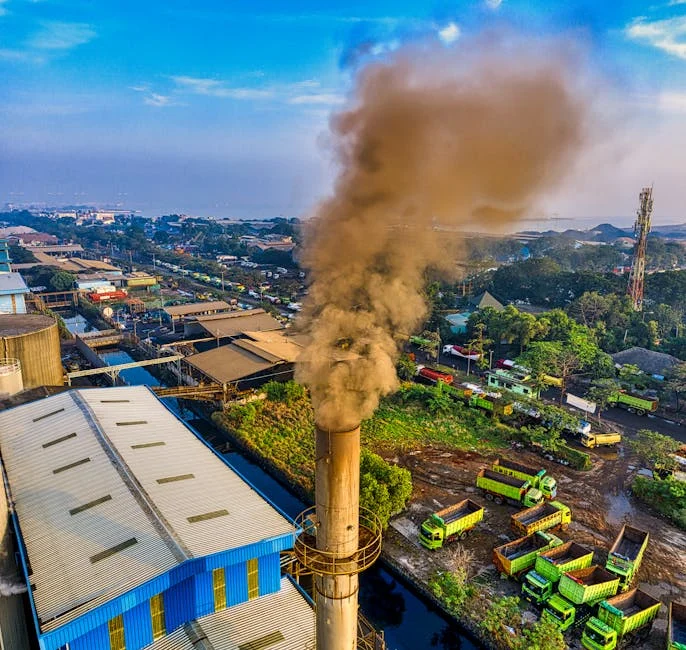
The report, titled "Energy for All: A Path Forward," calls for a 25% increase in renewable energy investments by 2025. Valentim also points to the lack of coordination between federal and state governments as a key barrier to progress. "Without a unified approach, it's impossible to achieve the energy security that Nigeria needs," he said.
Impact on Economic Growth and Development
Nigeria's energy crisis has had a direct impact on economic growth, with businesses reporting losses due to unreliable power supply. According to the World Bank, the country's GDP growth dropped by 1.2% in 2023, partly due to energy shortages. "Every hour of downtime costs businesses millions," said Amina Yusuf, a business owner in Lagos. "We need a stable power supply to compete in the global market."
Experts warn that without significant investment, Nigeria's energy challenges will continue to hinder its ability to meet the United Nations' Sustainable Development Goals (SDGs), particularly Goal 7, which focuses on affordable and clean energy. Valentim's report emphasizes that improving energy access is not just an economic issue but a social one as well. "Energy is the backbone of development," he said. "Without it, we cannot achieve our full potential."
Public Reaction and Calls for Action
The public response to Valentim's report has been mixed. While many agree with his analysis, others criticize the government for not doing enough to address the energy crisis. "We've seen promises for years, but nothing changes," said Chidi Okoro, a Lagos resident. "It's time for real action, not just reports."
Local NGOs have also joined the call for reform, with the Nigeria Energy Consumers Association urging the government to prioritize renewable energy projects. "We need a shift in focus," said Grace Nwosu, the association's director. "Investing in solar and wind power can provide long-term solutions and create jobs in the process."
Renewable Energy as a Solution
Valentim's report highlights the potential of renewable energy to transform Nigeria's power sector. The country has abundant solar resources, with over 300 days of sunshine annually, and significant wind potential in the northern regions. "If we tap into these resources, we can reduce our dependence on fossil fuels and provide clean, reliable energy to millions," he said.
Several pilot projects are already underway, including a solar farm in Kano and a wind energy initiative in Borno. However, Valentim argues that these efforts are not enough. "We need a national renewable energy plan with clear targets and timelines," he said. "Without that, we will continue to face the same challenges."
What's Next for Nigeria's Energy Sector
Valentim's report is expected to spark a national conversation about Nigeria's energy future. The government has yet to respond publicly, but analysts say pressure is mounting for action. "This is a critical moment for Nigeria," said Dr. Nneka Eze, an energy economist. "If the government does not act, the consequences will be severe."
As the 2024 budget process approaches, stakeholders are calling for increased funding for energy projects. The outcome of these discussions will be crucial in determining whether Nigeria can move toward a more sustainable and equitable energy system. "The time for change is now," Valentim said. "We cannot afford to wait any longer."


