Nigeria, Africa's largest economy, has launched the Weekender initiative, a new policy aimed at boosting economic activity and reducing the burden on urban infrastructure. The initiative, announced on April 4, 2026, encourages businesses and government offices to close on Saturdays, allowing for a more balanced distribution of work and leisure time. The move is part of a broader strategy to improve productivity, reduce congestion, and promote a healthier work-life balance across the country.
What is the Weekender Initiative?
The Weekender initiative, introduced by the Federal Government, mandates that all non-essential public services and some private sectors operate on a five-day workweek, with Saturday as a day off. The policy was first proposed in 2024 as a response to growing concerns about overwork, traffic congestion, and the need for more efficient resource allocation. The official launch came after extensive consultations with business leaders, labor unions, and urban planners.

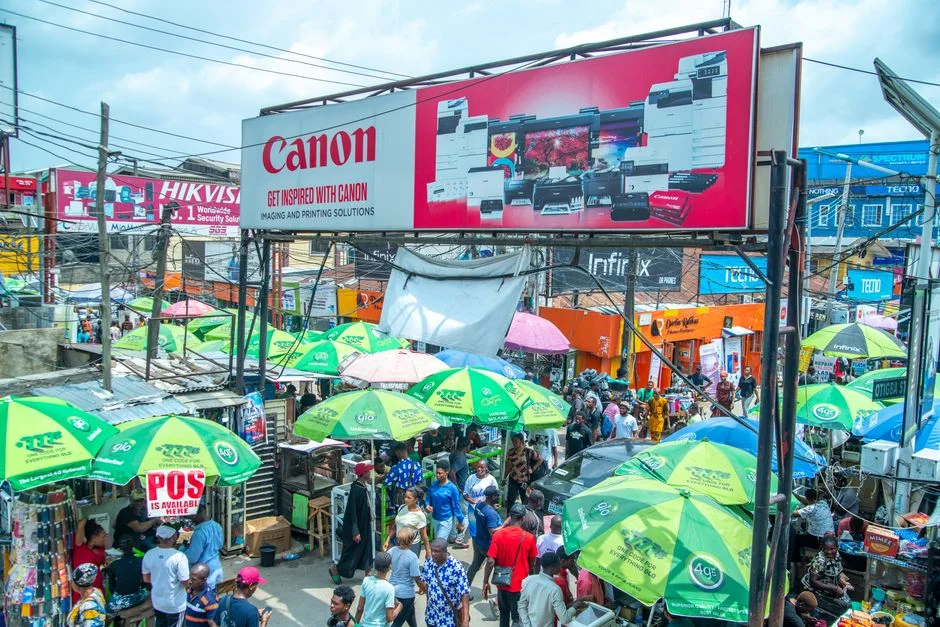
The initiative has been met with mixed reactions. Supporters argue that it will help reduce the strain on public services, particularly in Lagos and Abuja, where traffic and overcrowding have long been major issues. Critics, however, worry that it may disrupt small businesses and reduce overall productivity. The government has emphasized that the policy will be phased in gradually, with pilot programs in key cities before a nationwide rollout.
Why Weekender Matters for African Development
The Weekender initiative is a significant step in Nigeria's ongoing efforts to align with broader African development goals, including the African Continental Free Trade Area (AfCFTA) and the United Nations Sustainable Development Goals (SDGs). By promoting better work-life balance and reducing urban congestion, the policy supports goals related to inclusive economic growth, sustainable cities, and improved quality of life.
Experts say that the initiative could also serve as a model for other African nations facing similar challenges. With many African countries grappling with rapid urbanization and overburdened infrastructure, Nigeria's approach offers a practical solution that could be adapted to different contexts. The policy also reflects a growing recognition of the importance of mental health and well-being in economic planning.
However, the success of the Weekender initiative will depend on effective implementation. The government must ensure that the transition does not lead to job losses or economic slowdowns. It will also need to monitor the impact on sectors such as retail, transportation, and healthcare to ensure that the policy benefits all citizens.
Download Impact on Nigeria’s Economy
The term "Download" has become synonymous with the Weekender initiative, as it refers to the process of shifting work schedules and reorganizing business operations. Analysts say that the "Download" phase will be critical in determining the long-term success of the policy. It involves not only changing work hours but also rethinking how services are delivered and how citizens engage with the economy.
Early data from pilot cities suggests that the Weekender initiative has already had a positive effect. Traffic congestion in Lagos has decreased by 15% in the first month, and some businesses report higher customer satisfaction due to more predictable operating hours. However, the full economic impact remains to be seen, and more data will be needed to assess its effectiveness.
For Nigeria, the Weekender initiative is more than just a policy change — it represents a shift in how the country approaches development. By prioritizing balance and sustainability, the government is signaling a commitment to long-term growth that benefits both workers and the economy.
Weekender Developments Explained
The Weekender initiative has sparked a wave of discussion across Nigeria, with media outlets, business leaders, and citizens all weighing in on its potential impact. The government has launched a public awareness campaign to explain the policy and address concerns. This includes town hall meetings, online forums, and a dedicated website that provides updates and FAQs.
One of the key features of the Weekender initiative is its emphasis on flexibility. While the policy sets a general framework, it allows businesses to adjust their schedules based on their specific needs. This approach is seen as a way to minimize disruption while still achieving the broader goals of the initiative.
Looking ahead, the government will need to closely monitor the implementation of the Weekender policy. It will also need to engage with stakeholders to ensure that the initiative continues to meet the needs of both workers and employers. As Nigeria moves forward, the success of the Weekender initiative could have far-reaching implications for the country's development trajectory.
What is Weekender and Why It Matters
Weekender is not just a policy — it is a reflection of Nigeria's evolving approach to development. By introducing a Saturday off, the government is acknowledging the importance of rest and recreation in a fast-paced, growing economy. This shift aligns with global trends that emphasize the need for sustainable work practices and better quality of life.
The initiative also highlights the growing influence of youth and technology in shaping policy. Many of the early supporters of the Weekender initiative were young professionals and tech entrepreneurs who saw the potential for innovation and efficiency in a more balanced workweek. This suggests that Nigeria's development path is increasingly shaped by a new generation of thinkers and leaders.
As the Weekender initiative continues to unfold, it will be important to track its impact on key sectors such as education, healthcare, and infrastructure. The success of the policy could provide valuable lessons for other African countries seeking to balance economic growth with social well-being.
As the Weekender initiative continues to unfold, it will be important to track its impact on key sectors such as education, healthcare, and infrastructure. However, the full economic impact remains to be seen, and more data will be needed to assess its effectiveness.