The South African Weather Service issued a weather alert for Wednesday, warning of foggy mornings and isolated thundershowers across most regions. The forecast, released early on Wednesday, highlights the potential for sudden weather changes that could impact daily activities, particularly in urban and agricultural areas. The service, based in Pretoria, emphasized that while temperatures would remain warm, localized storms could disrupt travel and farming operations.
Weather Forecast Details
The South African Weather Service reported that fog would dominate the early hours, reducing visibility in major cities like Johannesburg and Cape Town. By midday, the weather would shift, with isolated thundershowers expected in the Gauteng, KwaZulu-Natal, and Western Cape provinces. The service noted that these conditions were typical for the region during the transitional season, but the intensity of the storms could pose risks to infrastructure and transport networks.
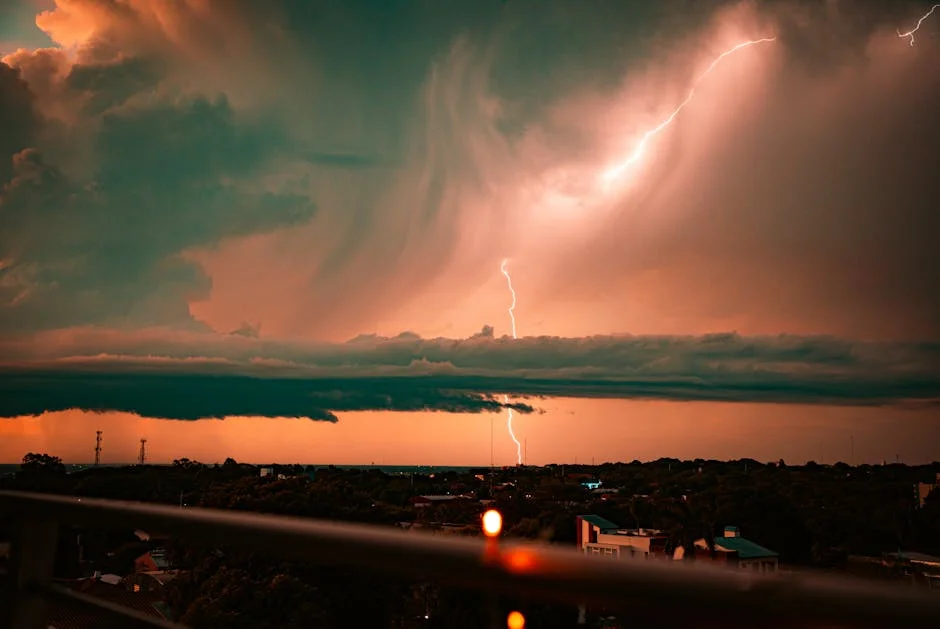
“Residents are advised to remain vigilant, especially when traveling during the early hours,” said Dr. Thandiwe Mokoena, a meteorologist at the South African Weather Service. “While the overall weather pattern is not unusual, the sudden nature of the thundershowers can lead to localized flooding and power outages.”
Impact on Daily Life and Economy
The weather conditions could have a ripple effect on economic activities, particularly in sectors reliant on stable weather. Agriculture, which contributes significantly to South Africa’s GDP, may face challenges as farmers prepare for planting seasons. The unpredictability of the weather could also affect logistics and supply chain operations, especially in regions like the Eastern Cape, where farming is a primary livelihood.
“This kind of weather can delay harvests and affect crop yields,” said Sipho Khumalo, a farmer from the Free State province. “We’ve been preparing for the season, but unpredictable storms can undo months of work.”
Broader Implications for African Development
Weather patterns like these underscore the challenges faced by African nations in achieving development goals. Climate resilience is a key component of the African Union’s Agenda 2063, which aims to build sustainable and inclusive economies. However, unpredictable weather events, such as those forecasted for Wednesday, highlight the ongoing need for improved infrastructure and early warning systems.
The South African Weather Service’s forecast is a reminder of the importance of investing in climate adaptation strategies. With the continent facing increasing pressure from climate change, reliable weather data and early warnings are critical for protecting livelihoods and supporting economic growth.
Infrastructure and Preparedness
Investments in resilient infrastructure are essential to mitigate the impact of extreme weather. In cities like Durban and Bloemfontein, local governments are working to improve drainage systems and emergency response protocols. These efforts align with broader African development goals, which emphasize the need for infrastructure that can withstand environmental shocks.
However, many regions still lack the resources to implement such measures. The African Development Bank has called for increased funding to support climate adaptation projects, particularly in rural areas where the effects of climate change are often most severe.
Looking Ahead: What to Watch
As Wednesday progresses, the South African Weather Service will continue to monitor the situation and issue updates. Residents are advised to stay informed through official channels and avoid unnecessary travel during peak storm periods. The coming days will also see increased focus on how local governments respond to weather-related challenges, with potential implications for national climate policies.
For African development, the event highlights the need for proactive planning and investment in climate resilience. As the continent moves toward its 2063 goals, the ability to predict and respond to weather fluctuations will play a crucial role in ensuring sustainable progress.