Quem, a leading construction firm in Nigeria, has raised concerns over the rising cost of building materials, particularly glass and tiles, which are now driving up construction expenses. The surge in prices comes as the company faces pressure from rising labor costs, which remain the biggest challenge for developers across the country. The issue has sparked a debate over how to meet the nation’s growing demand for housing and infrastructure, key components of the African Development Bank’s (AfDB) vision for sustainable growth.
Construction Costs Soar as Glass Prices Spike
Quem reported a 25% increase in the cost of glass and ceramic tiles over the past six months, according to a recent statement. The company, which operates in Lagos, said the price hikes are directly affecting project timelines and budgets. "We are seeing a significant impact on our ability to deliver affordable housing," said Quem’s Director of Operations, Adebayo Adeyemi. "This is not just a problem for us but for the entire construction sector in Nigeria."
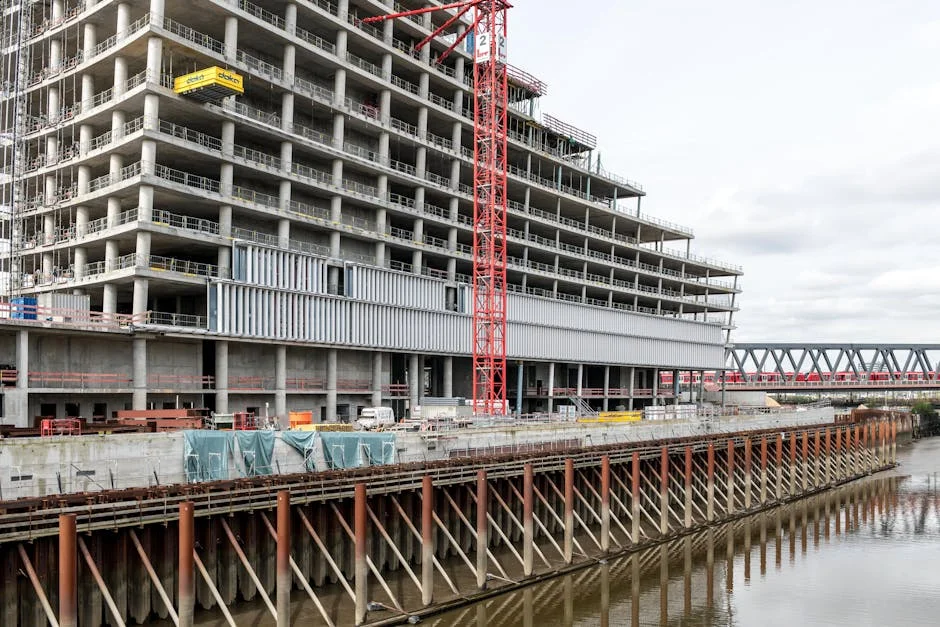
The price of a single sheet of tempered glass has risen from N1,200 to N1,500, while ceramic tiles now cost up to 30% more than they did a year ago. These increases are attributed to global supply chain disruptions and higher import duties on building materials. The situation is worsening as the Nigerian government continues to face challenges in improving domestic production capacity, a key goal outlined in the AfDB’s 2023-2025 Development Plan.
Labor Costs Remain the Largest Burden
While material costs have risen, labor expenses remain the most pressing issue for construction companies. According to the National Bureau of Statistics, the average wage for skilled construction workers in Lagos has increased by 18% since 2022. This has forced firms like Quem to either delay projects or pass on the cost to consumers.
"Labor is the biggest cost driver," said Adeyemi. "We have to pay more to retain skilled workers, but this makes it harder to keep housing affordable for middle-income families." The situation highlights a broader challenge in Nigeria’s development agenda, where infrastructure projects often struggle to meet cost and time targets.
Government and Private Sector Response
The Federal Road Maintenance Agency (FERMA) and the Lagos State Government have both acknowledged the challenges facing the construction sector. In a recent meeting, FERMA officials emphasized the need for public-private partnerships to reduce reliance on imported materials. "We are exploring ways to boost local production of construction goods," said FERMA spokesperson, Nkechi Uwazie.
Meanwhile, the Nigerian Construction Association (NCA) has called for policy reforms to ease the burden on developers. "The government must act to stabilize prices and create a more predictable environment for investment," said NCA President, Chike Nwosu. The association has also urged more support for vocational training to address the shortage of skilled labor.
Efforts to Boost Local Production
Several initiatives are underway to reduce dependency on imported materials. The Lagos State government has launched a pilot project to establish a local glass manufacturing plant in Ikorodu. If successful, the project could cut costs by up to 20%, according to state officials. "This is a step in the right direction," said Lagos Deputy Governor, Hajiya Aisha Bello. "We need more such initiatives to support our development goals."
Private sector players are also investing in local production. A new tile factory in Ogun State, backed by a consortium of Nigerian and international investors, is expected to begin operations in early 2025. The project is seen as a potential model for scaling up domestic manufacturing, a key pillar of the AfDB’s infrastructure strategy.
Looking Ahead: What to Watch
With the 2025 budget process now underway, stakeholders are watching closely to see if the government will introduce measures to stabilize construction costs. The National Assembly is expected to debate a new housing policy in the coming months, which could include incentives for local production and wage controls for construction workers.
For now, firms like Quem are navigating a difficult landscape. "We are doing all we can to keep projects on track," said Adeyemi. "But without government support, the situation will only get worse." As Nigeria continues to push forward with its development goals, the construction sector’s ability to adapt will be critical to its success.