Peter Rowell, a former BBC presenter convicted of child sexual abuse, has been sentenced to 18 months in a UK prison after a retrial. The case, which has drawn widespread public attention, highlights ongoing challenges in legal accountability and justice systems, even in developed nations. Rowell, who was first convicted in 2013, had his sentence reduced to a suspended term before the Crown Prosecution Service appealed, leading to his re-imprisonment in September 2024. The case has sparked renewed debate about how institutions handle abuse allegations, particularly in the media sector.
Legal Reckoning for a High-Profile Case
Rowell’s re-sentencing comes after a five-day trial in the UK, where prosecutors argued that his earlier conviction was too lenient. The judge in the case, Mr. Justice Coulson, emphasized the need for “a clear message” about the seriousness of child abuse. Rowell, who was a well-known presenter on BBC Radio 4, was found guilty of multiple counts of sexual abuse against boys in the 1990s. The case has been closely watched in the UK, with many calling for stronger legal measures to protect vulnerable individuals.
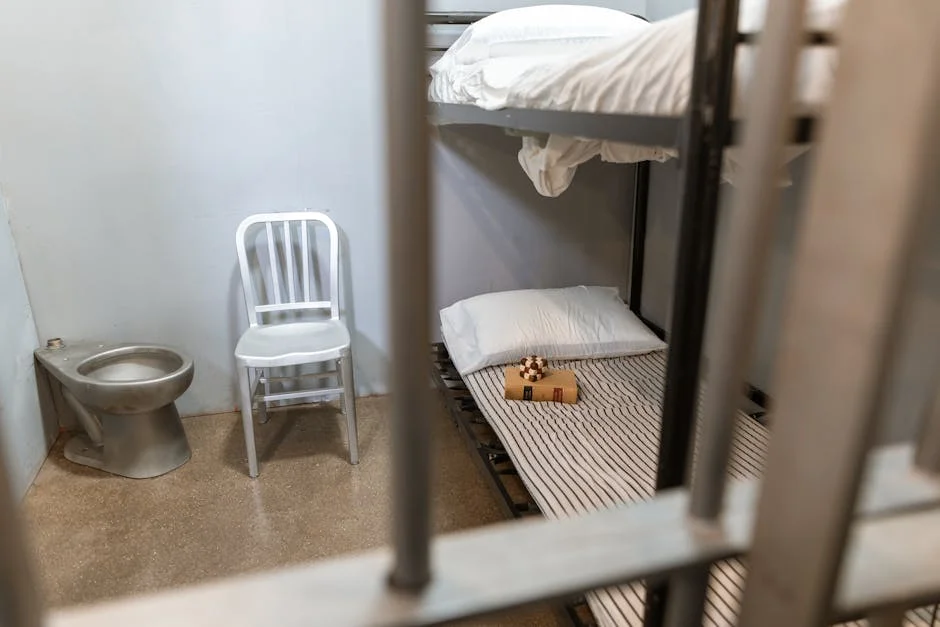
The legal process has also raised questions about how institutions respond to abuse allegations. In 2013, Rowell was given a suspended sentence, a decision that faced criticism from victims’ groups. The recent retrial, which took place in Manchester, saw the prosecution present new evidence, including testimonies from additional victims. The case has been a focal point for discussions on how legal systems can better support survivors and ensure justice is served.
Broader Implications for Justice and Accountability
While the case is centered in the UK, it has broader implications for how abuse is handled across the globe, including in African nations. Many African countries face similar challenges in legal accountability, particularly in cases involving high-profile individuals. The Rowell case serves as a reminder of the importance of transparency and strong legal frameworks in addressing abuse and ensuring justice for victims.
In Nigeria, for instance, legal processes for abuse cases often face delays and lack of public scrutiny. The Rowell case has been referenced in discussions about the need for reform in judicial systems across the continent. While the UK’s legal system is more robust, the case highlights the universal need for accountability, especially in sectors where power imbalances can hinder justice.
Impact on Public Trust and Media Responsibility
The case has also raised questions about the role of media in protecting vulnerable individuals. Rowell’s position as a respected broadcaster made the abuse allegations even more shocking to the public. His re-sentencing has been seen as a step toward restoring public trust in the legal system, but it also underscores the need for media organizations to implement stronger safeguarding policies.
Organizations like the BBC have since introduced stricter child protection policies. However, the Rowell case has prompted calls for more proactive measures, including background checks and training for staff. In Africa, where media institutions are still developing, the case serves as a cautionary tale about the importance of ethical standards and accountability in the media sector.
Looking Ahead: Legal Reforms and Public Awareness
The Rowell case is expected to influence future legal reforms in the UK and beyond. As the legal system continues to evolve, there is a growing emphasis on ensuring that justice is not only served but also seen to be served. In Nigeria and other African countries, the case could inspire similar efforts to strengthen legal protections for victims of abuse.
Public awareness campaigns are also gaining momentum. Organizations like the National Association of Child Protection Agencies (NACPA) in Nigeria have called for more education on abuse prevention. The Rowell case has become a reference point in these discussions, highlighting the need for systemic change to prevent future abuse and support survivors.
As the legal process continues, the case remains a critical moment for institutions across the world. For African development, it underscores the importance of legal reform, media responsibility, and public engagement in creating safer, more just societies. The coming months will be crucial in determining how these lessons are applied in practice.