
The opposition party Chega has accused the Nigerian government of delays in providing aid to victims of recent storms, with a senior member expressing surprise at the President's reaction. The criticism comes as communities in the southern states continue to struggle with the aftermath of the storms, which caused widespread damage and displacement. The incident highlights the challenges of crisis management in a country where infrastructure and emergency response systems are often under pressure.
Storms Hit Southern Nigeria, Leaving Communities in Crisis
Heavy rains and flooding hit southern Nigeria in late July, affecting states such as Lagos, Ogun, and Rivers. The Nigerian Meteorological Agency reported that over 150,000 people were displaced, with thousands of homes destroyed. The government launched a relief operation, but Chega members claim the response has been slow and inadequate. "We perceived the President's shock when we raised the issue," said a Chega representative, referring to a recent meeting with the President.
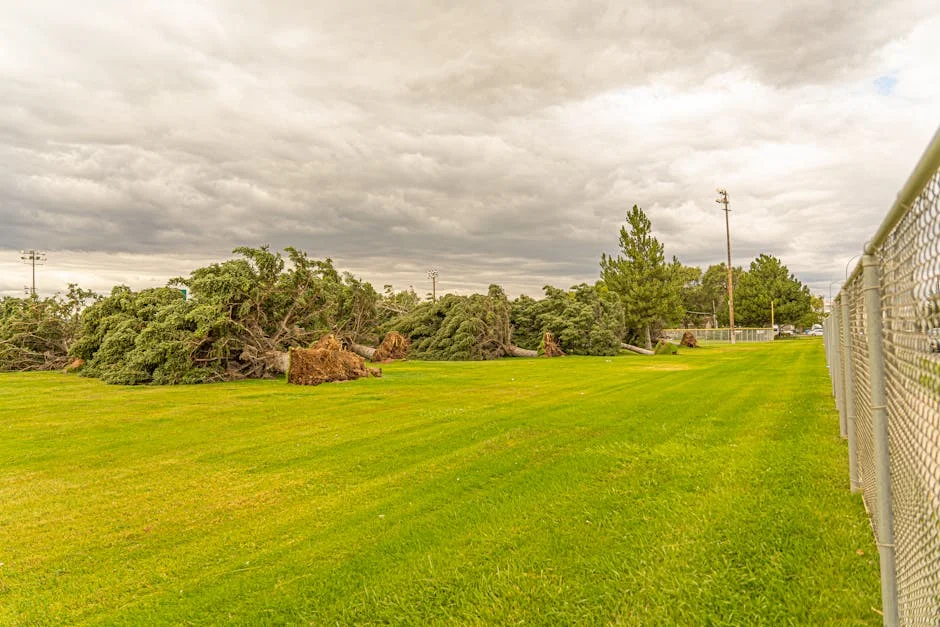
The affected areas are among the most densely populated in the country, with many residents living in informal settlements vulnerable to flooding. Local leaders have called for urgent aid, including shelter, food, and medical support. However, reports indicate that aid distribution has been uneven, with some communities receiving little or no assistance. The lack of coordination between federal and state authorities has further complicated the situation, according to a recent report by the Nigerian Red Cross.
Chega Demands Government Accountability
Chega, a political party known for its criticism of the ruling party, has called for a full investigation into the delayed aid. The party's spokesperson, Aberta, stated, "The people are suffering, and the government must be held accountable. We expect transparency and swift action." This marks a growing tension between the opposition and the government, which has faced repeated criticism over its handling of natural disasters and public services.
The criticism is not new. In 2022, the government faced backlash after delayed responses to floods in Kano and Kaduna. Analysts say the current situation reflects deeper systemic issues, including underfunded emergency services and poor infrastructure. "Without proper planning, Nigeria will continue to struggle with these crises," said Dr. Adebayo Okunola, a political analyst at the University of Lagos.
Government Response and Next Steps
In response to the criticism, the government has reiterated its commitment to supporting victims. The Ministry of Humanitarian Affairs announced the deployment of additional aid trucks to the affected areas, with a focus on food and shelter. However, the timeline for distribution remains unclear, and local officials have warned that more resources are needed.
The President has also addressed the issue, pledging to review the disaster response system. "We are working to ensure that no one is left behind," he said in a recent statement. But for many, the words have not translated into action. With the rainy season still ongoing, the need for swift and coordinated efforts is more pressing than ever.
Looking Ahead: What to Watch Next
As the situation in southern Nigeria continues to evolve, the next few weeks will be critical. The government has set a deadline for the full distribution of aid, with a focus on the hardest-hit areas. Meanwhile, Chega has promised to continue its scrutiny, calling for more transparency in the aid process.
International aid agencies are also monitoring the situation, with the United Nations urging the Nigerian government to improve coordination. For now, the focus remains on the immediate needs of the affected communities, as well as the long-term reforms required to prevent similar crises in the future. The coming weeks will determine whether the government can deliver on its promises or if further pressure will mount from both the public and opposition.


