Burkina Faso's military leader, General Abdoulaye Dabonné, has openly dismissed the concept of democracy, warning that it is not suitable for the West African nation. The remarks, made during a public address in Ouagadougou, have intensified concerns over the country's political stability. Dabonné, who leads the National Council for Democracy, has been a key figure in the country's military-led governance since 2022, following a series of coups that have shaken the nation's political landscape.
General's Warning Sparks Regional Concerns
General Dabonné's comments come amid growing instability in Burkina Faso, where the military has increasingly taken control of governance. His dismissal of democracy has raised alarms among regional partners, including the Economic Community of West African States (ECOWAS), which has repeatedly called for a return to civilian rule. The general's remarks highlight a broader trend in parts of the Sahel, where military leaders are rejecting Western political models in favor of more centralized control.
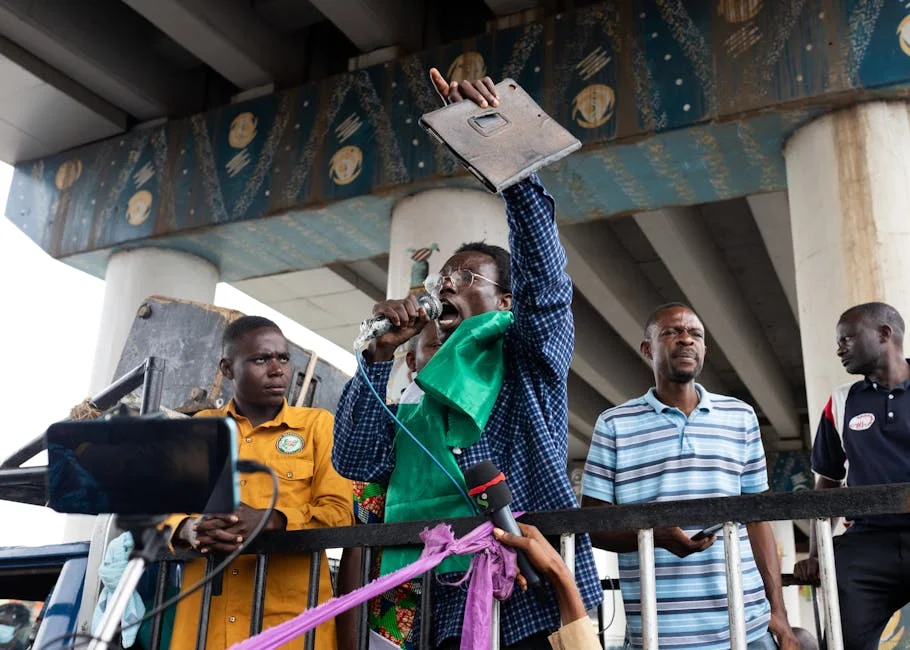
"Democracy is not for us," Dabonné said, adding that the country's security challenges require a more decisive approach. "We have seen what happens when we follow the West's model — chaos, corruption, and weakness." His words reflect a deepening mistrust of democratic institutions, which have struggled to deliver stability in a region plagued by jihadist insurgency and economic decline.
Context of Political Instability
Since 2020, Burkina Faso has experienced three coups, with the military seizing power each time amid public frustration over rising insecurity and poor governance. The country has seen a surge in attacks by jihadist groups, with over 1,200 people killed in 2023 alone, according to the International Crisis Group. These challenges have eroded public confidence in elected leaders, creating a vacuum that the military has filled.
The situation has also had ripple effects across the region. Neighboring countries, including Mali and Niger, have seen similar military interventions, raising fears of a broader shift toward authoritarian rule in West Africa. The African Union has expressed concern, warning that the trend could undermine the continent's development goals, including peace, security, and good governance.
Development Implications for Africa
The military's growing influence in Burkina Faso poses a significant challenge to the continent's development agenda. The African Union's Agenda 2063 emphasizes the need for inclusive governance, economic transformation, and regional integration. However, the rise of military-led governments threatens to derail progress, particularly in areas such as education, healthcare, and infrastructure development.
Without stable civilian leadership, efforts to improve public services and attract foreign investment remain at risk. The World Bank has warned that political instability could slow economic growth by up to 2% annually in the Sahel region. In Burkina Faso, where over 40% of the population lives below the poverty line, this could have severe consequences for development outcomes.
Regional Tensions and International Response
ECOWAS has responded to the situation in Burkina Faso with a mix of pressure and diplomacy. The regional bloc has imposed sanctions on military leaders, including asset freezes and travel bans, in an effort to encourage a return to civilian rule. However, these measures have had limited success, as the military has grown more entrenched in power.
International actors, including the United Nations and the European Union, have also called for a political solution. The UN Security Council has urged Burkina Faso's military to respect constitutional order and protect human rights. Despite these efforts, the general's recent remarks suggest that the military remains unswayed by external pressure.
Future Outlook and Key Watchpoints
As Burkina Faso's military continues to consolidate power, the region's development prospects remain uncertain. The next key event to watch is the planned constitutional referendum in early 2025, which could pave the way for a new political order. If the military succeeds in rewriting the constitution, it could signal a permanent shift away from democratic governance in the country.
For African development, the situation in Burkina Faso is a warning. The continent's progress depends on stable, accountable institutions that can deliver on economic and social development. Without a return to civilian rule, the risk of further instability and underdevelopment will only grow.