Brian Harman, the renowned American golfer, has recently opened up about his family life, sharing insights into the upbringing of his three children: Cooper, Walter, and Jack. The details, shared during a recent interview in Augusta, Georgia, highlight the balance he maintains between his high-profile career and personal responsibilities. Harman, a two-time Masters champion, has long been admired for his dedication to both his sport and his family, but this new information offers a more intimate look at his life away from the golf course.
Family Life and Personal Commitments
Harman, 38, has always been known for his professionalism on the golf course, but his recent remarks reveal a different side of him. He spoke about how he ensures his children, who range in age from 5 to 12, have a stable and supportive environment. “I try to be present for them as much as I can,” he said. “Golf is my job, but family is my priority.”
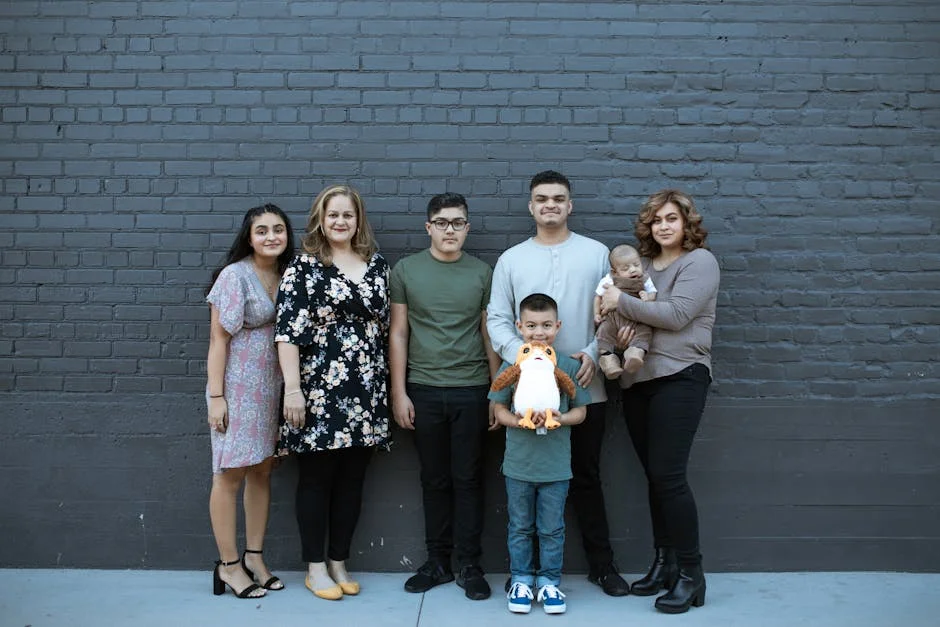
The golfer, who hails from the state of Georgia, has made it a point to involve his children in his life, even when he is traveling for tournaments. His wife, Jennifer, plays a key role in managing the family’s daily routine, ensuring that the children are well cared for. “We work as a team,” Harman added, emphasizing the importance of partnership in raising a family.
Impact on Career and Public Image
Harman’s openness about his family has been well received by fans and media alike. It has helped humanize him, showing that even top athletes face the same challenges as other parents. His decision to share personal details reflects a growing trend among athletes to be more transparent and relatable to their audiences.
The golfer’s public image has also benefited from this approach. With a career spanning over a decade, Harman has maintained a strong fan base, and his recent focus on family has only strengthened that connection. “People like seeing the real side of athletes,” said sports analyst Mark Reynolds. “It makes them more approachable and credible.”
Broader Implications for Athletes and Role Models
Harman’s story resonates beyond the world of golf. It speaks to the importance of balancing professional ambitions with personal responsibilities, a challenge faced by many in high-pressure careers. In a country like the US, where work-life balance is often a topic of debate, his example serves as a reminder of the value of family time.
His approach also highlights the role of fathers in modern society. With more men taking an active role in child-rearing, Harman’s commitment to his children aligns with broader cultural shifts. “It’s not just about being a provider,” said Dr. Lisa Carter, a sociologist at the University of Georgia. “It’s about being present and involved.”
What’s Next for Brian Harman?
As the golf season progresses, Harman is set to compete in several major tournaments, including the PGA Championship later this year. His family will likely continue to be a central part of his life, with his wife and children traveling with him to some events. “We’re a team,” he said, “and we make it work.”
For now, fans and followers will be watching closely as Harman continues to navigate the demands of his career while maintaining his commitment to his family. His journey offers a compelling look at how personal values can shape a public figure’s legacy.
How This Relates to Broader Development Goals
While Harman’s story may seem unrelated to broader development goals, it touches on themes that are relevant across many African nations. The importance of family, work-life balance, and the role of fathers in society are universal. In many African countries, where economic pressures often strain family structures, the example set by athletes like Harman can serve as a source of inspiration.
Moreover, the emphasis on personal responsibility and community support mirrors the goals of many African development initiatives. By highlighting the value of family and personal commitment, Harman’s story aligns with efforts to strengthen social cohesion and community ties, which are vital for long-term growth and stability.
As Harman continues his career, the focus on family and personal values will likely remain a central part of his public narrative. For fans and followers, it offers a glimpse into the life of a champion off the course, and for those looking to draw broader lessons, it provides a relatable example of how personal choices can shape public influence and legacy.