Pakistan’s military said it struck a “military target” in the Khyber Pakhtunkhwa province, but investigations suggest the site was a rehabilitation centre for drug users. The incident has sparked international concern, raising questions about the accuracy of military claims and the potential impact on civilian populations. The event has drawn comparisons to past conflicts in the region, where similar allegations of mistaken strikes have led to widespread criticism.
Pakistan's Military Claims and the Rehab Center Controversy
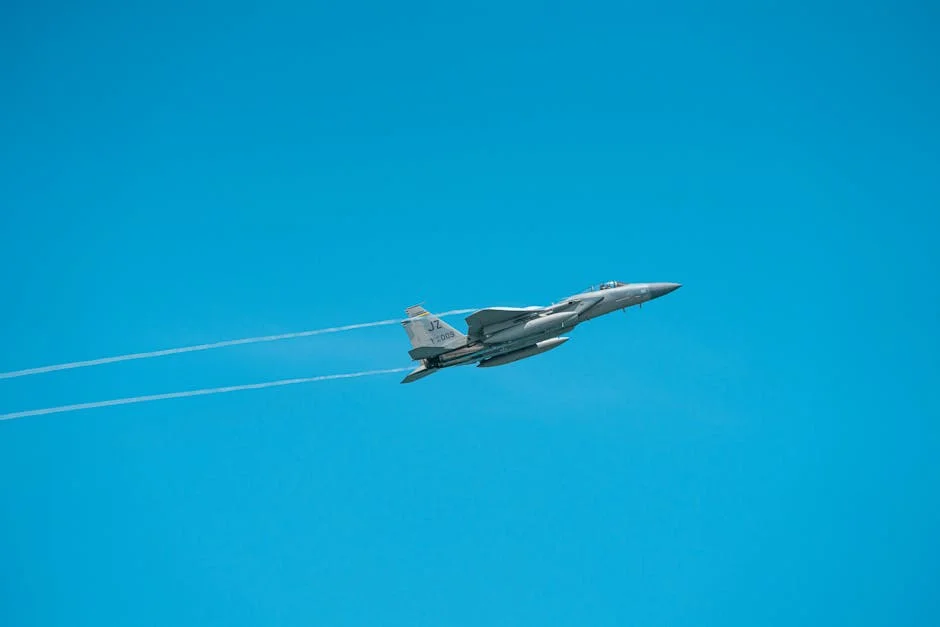
The Pakistan Air Force announced the strike on March 12, 2025, claiming it targeted a “military infrastructure” linked to a militant group. However, local journalists and human rights organisations, including the Human Rights Commission of Pakistan, have since confirmed that the location was a registered rehabilitation centre in the town of Peshawar. The facility, which has treated over 500 patients since 2020, was reportedly operating under strict government oversight.
“This is a grave mistake,” said Dr. Ayesha Khan, a senior official with the commission. “The government must be held accountable for the lives that could have been lost.” The incident has led to calls for an independent investigation, with activists demanding transparency in military operations. The rehabilitation centre, located just 15 kilometres from the Afghan border, has been a key part of the government’s efforts to combat drug addiction in the region.
International Reactions and Regional Implications
The United Nations Office for the Coordination of Humanitarian Affairs (OCHA) has expressed concern over the incident, warning that such errors could undermine trust in military actions across the region. “This is not just a Pakistan issue,” said OCHA spokesperson Maria Lopez. “It highlights the broader risks of military operations in areas with complex civilian populations.”
Regional neighbours, including Afghanistan and India, have also issued statements. Afghan officials have called for greater coordination between security forces to avoid similar incidents, while Indian analysts have warned of the potential for cross-border tensions. The incident has reignited debates over the role of military actions in counterterrorism efforts and the need for better intelligence sharing.
Impact on Civilian Populations and Development
The rehabilitation centre’s destruction has left hundreds of patients without access to critical care. Many of them were from low-income families, and the loss of the facility has raised concerns about the long-term impact on public health. “This is a setback for Pakistan’s development goals,” said Dr. Omar Farooq, a public health expert at the Aga Khan University. “When infrastructure like this is damaged, it affects entire communities.”
The incident has also highlighted the challenges of balancing security with development. In regions like Khyber Pakhtunkhwa, where poverty and instability persist, the destruction of social infrastructure can have lasting consequences. The United Nations Development Programme (UNDP) has warned that such events could slow progress toward the Sustainable Development Goals, particularly in health and education.
Security vs. Development: A Growing Dilemma
The incident underscores the tension between national security and development priorities. While the government insists that the strike was necessary to combat extremism, critics argue that more precise intelligence is needed to avoid collateral damage. “The military must adapt its strategies to protect civilians,” said Dr. Farooq. “Otherwise, the cost of security will be too high.”
Some experts suggest that better coordination between the military and civilian agencies could prevent such mistakes. In recent years, the government has invested in community-based security initiatives, but these efforts have yet to be fully tested in high-risk areas.
What Comes Next? A Call for Accountability
Pakistan’s military has yet to issue a formal apology or provide a detailed explanation for the strike. However, the government has announced that it will conduct an internal review of the incident. “We are committed to transparency,” said a statement from the Ministry of Defence. “We will ensure that such mistakes do not happen again.”
Human rights groups are urging the government to allow independent observers to investigate the incident. The UN has also called for an impartial inquiry. As the situation unfolds, the world will be watching to see if Pakistan takes concrete steps to prevent similar mistakes in the future.
The coming weeks will be critical. The government must decide whether to prioritize accountability or continue with its current approach. For the people of Khyber Pakhtunkhwa, the stakes are high. The incident serves as a stark reminder of the challenges facing not just Pakistan, but all nations striving to balance security with development.