The delay in the release of the Central Board of Secondary Education (CBSE) 10th Class Examination results has sparked widespread frustration among students and parents in Lagos, Nigeria. The results, originally expected to be announced in mid-July, were postponed indefinitely after the Indian government faced logistical challenges in processing the exams. The delay has left thousands of students in limbo, affecting their plans for higher education and career paths. The National Examination Council of Nigeria (NECO) has not yet commented on whether the delay will impact the country’s academic calendar.
Impact on Nigerian Students
The CBSE 10th Class Examination is a crucial step for many Nigerian students, especially those planning to pursue studies in India or seeking admission to international schools. The postponement has disrupted their academic timelines, with some students now worried about missing the application deadlines for universities in India. According to a report by the Lagos State Ministry of Education, over 15,000 students in the state are affected by the delay. Many have turned to social media to voice their concerns, with hashtags like #CBSEResultsNow and #LagosStudentsFrustrated trending on platforms like Twitter.
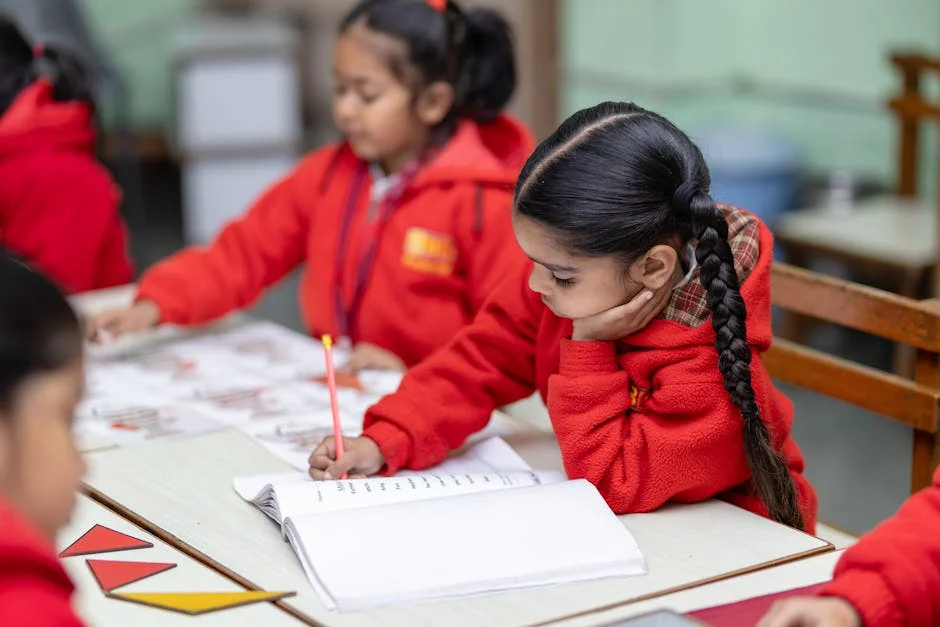
“We have been preparing for this exam for months, and now we are left in the dark,” said Amina Yusuf, a 16-year-old student from Ikeja. “We don’t know when the results will come, and it’s affecting our future.” The Nigerian Parents Association has also raised concerns, warning that the delay could lead to a backlog in the country’s education system. The association has called on the Nigerian government to intervene and ensure that affected students are not penalized.
Logistical Challenges in India
The CBSE 10th Class Examination, held in India, is one of the most significant academic assessments for students in the country. This year, the exam faced unprecedented challenges due to a surge in the number of candidates and technical issues with the online evaluation system. According to the CBSE, over 2.3 million students sat for the exam, with the majority from international schools in Nigeria, Ghana, and Kenya. The board has not yet provided a clear timeline for the release of results, leading to growing uncertainty among students and parents.
“The delay is not just a problem for Indian students but also for those in Nigeria and other African countries who rely on these results for further studies,” said Dr. Chike Eze, an education consultant based in Abuja. “This is a wake-up call for the need for better coordination between educational institutions across continents.”
Broader Implications for African Development
The delay in the CBSE 10th results highlights the interconnectedness of education systems across Africa and India. As African nations strive to meet the United Nations Sustainable Development Goals (SDGs), particularly SDG 4 on quality education, such disruptions can have long-term consequences. The lack of timely academic assessments can hinder students’ access to higher education, limit career opportunities, and slow down progress in human capital development.
Experts suggest that African countries should explore more localized alternatives to international examinations to reduce dependency on foreign systems. “We need to build stronger regional education frameworks that are more responsive to local needs,” said Professor Nia Njoroge, a Kenyan education policy analyst. “This incident shows that overreliance on external systems can be risky.”
Meanwhile, the Nigerian government has begun discussions with the CBSE to explore possible solutions. The Ministry of Education is considering a joint review of the academic calendar to ensure that students are not disadvantaged. However, no official statement has been made yet.
Next Steps and What to Watch
Students and parents are now closely monitoring updates from the CBSE and the Nigerian Ministry of Education. The next major deadline is the application window for Indian universities, which is set to close in early August. If the results are not released by then, many students may be forced to miss the deadline, potentially affecting their educational prospects. The Nigerian government is also expected to provide more clarity on how it will support affected students in the coming weeks.
As the situation unfolds, the incident underscores the need for greater collaboration and resilience in cross-border education systems. For now, the focus remains on when the CBSE 10th results will be released and how the delay will be managed across the continent.