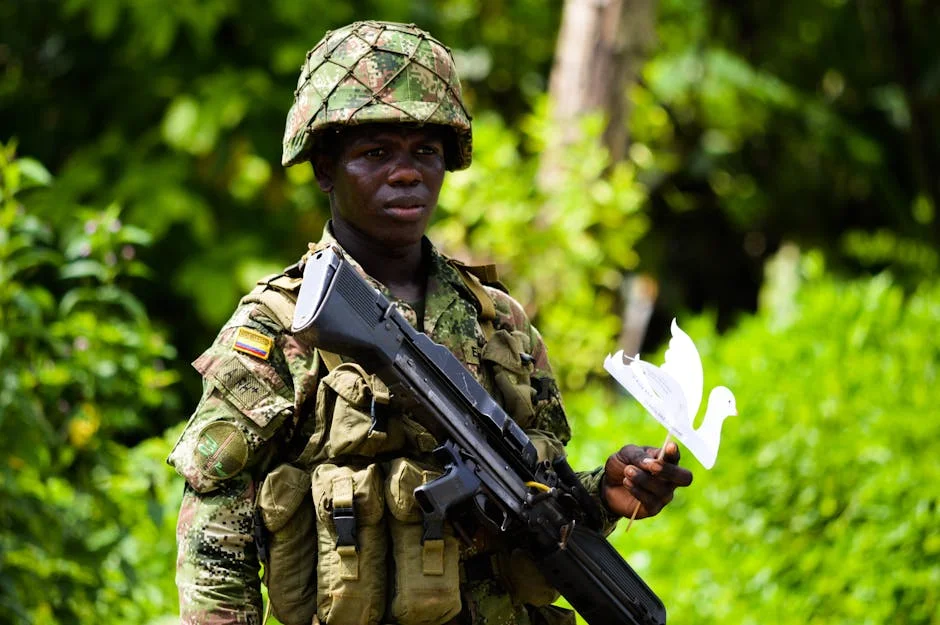
Brazil's Operation Easter, a nationwide crackdown on crime during the Easter holiday, has failed to curb rising violence, with crime rates reaching a five-year high in the northeastern state of Pernambuco. The operation, led by the Ministry of Public Security, aimed to reduce criminal activity during the holiday period, but data from the state's police force show a 14% increase in reported crimes compared to the same period in 2023. The spike has raised concerns about the effectiveness of the government's security strategy and its impact on the region's development goals.
Operation Easter Fails to Curb Violence
Operation Easter, launched by the Brazilian government, was designed to enhance police presence and prevent violent crimes during the Easter weekend. The initiative involved coordinated efforts between federal and state authorities, with an emphasis on high-risk areas such as Recife, the capital of Pernambuco. Despite these measures, the state recorded 1,235 crimes between April 1 and April 4, a 14% increase from the previous year. The rise in crime has been attributed to the growing influence of organized criminal groups and the lack of long-term investment in public safety.

Ministry of Public Security spokesperson, Maria Oliveira, acknowledged the challenges but defended the operation, stating that it had prevented several planned attacks. "While we cannot control all factors, our teams have made significant progress in disrupting criminal networks," she said. However, local community leaders argue that the operation is a short-term fix for a systemic issue. "We need more than a week of increased patrols. We need sustainable solutions that address poverty and unemployment," said José Silva, a community organizer in Recife.
Impact on Development and Governance
The spike in crime during Operation Easter highlights the broader challenges facing Brazil's development agenda. The country's Sustainable Development Goals (SDGs) emphasize reducing inequality, improving public safety, and strengthening governance. However, rising crime rates in regions like Pernambuco undermine these objectives, particularly in areas where access to education and healthcare is already limited. The increase in violence has also led to a decline in tourism and investment, further straining local economies.
Experts warn that without a comprehensive approach, Brazil's development goals will remain out of reach. "Crime is not just a security issue—it's a development issue," said Dr. Ana Ferreira, a political scientist at the University of São Paulo. "When communities are unsafe, children cannot attend school, businesses cannot operate, and the cycle of poverty continues." The government has pledged to review its security policies, but critics say the focus remains on quick fixes rather than long-term reform.
Regional Disparities and Economic Consequences
The northeastern region of Brazil, including Pernambuco, has historically faced higher levels of poverty and inequality compared to the southern and southeastern states. The recent rise in crime has exacerbated these disparities, with rural areas and informal settlements bearing the brunt of the violence. A report by the Brazilian Institute of Geography and Statistics (IBGE) found that 28% of the population in Pernambuco lives below the poverty line, a figure that has remained stagnant for over a decade.
The economic impact is also significant. Tourism, a key source of income for many in the region, has suffered due to the perception of increased risk. In Recife, hotel occupancy rates dropped by 12% during the Easter period, according to the Pernambuco Tourism Board. "We are losing out on potential revenue that could be invested in education and infrastructure," said Ronaldo Lima, a local hotel owner. "This is not just about safety—it's about opportunity."
Looking Ahead: What Comes Next?
As Brazil prepares for the upcoming municipal elections, the performance of the government's security policies will be under scrutiny. The Ministry of Public Security has announced plans to expand its anti-crime initiatives, including the deployment of additional police units and the expansion of community policing programs. However, the success of these measures will depend on sustained investment and a commitment to addressing the root causes of violence.
Local leaders are urging the government to prioritize long-term solutions over temporary operations. "We need more than a week of patrols. We need jobs, education, and a sense of security that lasts beyond the holiday season," said José Silva. With the next major holiday season approaching, the pressure on authorities to deliver meaningful change is mounting. The coming months will be a critical test of Brazil's commitment to its development goals and its ability to create a safer, more equitable future for all citizens.