The European Council has extended sanctions against Russian individuals and entities for another six months, marking a continuation of the bloc’s tough stance on Moscow. This decision not only reflects ongoing geopolitical tensions but also underscores the interconnectedness of global economic policies and their potential impacts on African nations, including Nigeria.
Russia Sanctions Renewed by the European Council
The European Council, which comprises the heads of state or government from EU member countries, recently met to discuss the extension of sanctions imposed on Russia since 2014. These sanctions target various sectors such as energy, finance, and defence, and affect both Russian individuals and companies. The decision to prolong these measures highlights the EU’s commitment to maintaining pressure on Russia over its actions in Ukraine.
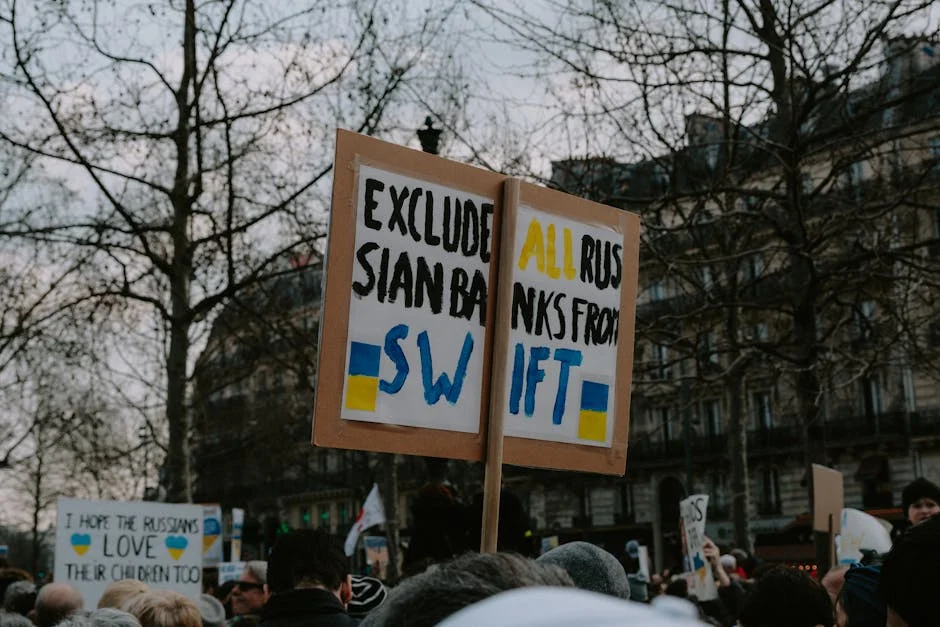
This move comes at a time when the global economy is facing multiple challenges, including inflation, supply chain disruptions, and fluctuating oil prices. The extension of sanctions against Russia adds another layer of complexity to the international economic landscape, potentially affecting trade flows and financial stability across continents.
Africa’s Interests in the Global Economic Scene
Africa, with its diverse economies and growing population, stands to benefit significantly from stable global trade conditions. However, the continent also faces numerous challenges that can be exacerbated by shifts in international policy. For instance, Nigeria, Africa’s largest economy, is particularly sensitive to changes in global oil prices and trade routes, given its heavy reliance on oil exports and imports.
The extension of Russia sanctions could have implications for African countries looking to diversify their trade partnerships and attract foreign investment. While the immediate effects may not be drastic, the long-term consequences of geopolitical tensions and economic instability can influence investor confidence and the flow of capital into the continent.
Nigeria’s Economic Positioning
Nigeria, being one of the world’s leading oil producers, has a vested interest in the global energy market. The country’s economy is heavily dependent on oil revenues, which make up about 90% of its export earnings. Therefore, any disruption to global oil prices or supply chains can have significant impacts on Nigeria’s economic performance.
In light of the EU’s decision to extend sanctions, Nigeria is looking to strengthen its relationships with other major economies, such as China and the United States, to ensure continued access to markets and investment. Additionally, the Nigerian government is focused on diversifying its economy beyond oil through initiatives in agriculture, manufacturing, and services.
African Development Goals and Opportunities
The extension of Russia sanctions by the European Council serves as a reminder of the importance of robust and flexible economic policies in achieving African development goals. With the continent aiming to boost intra-African trade, attract more investment, and improve infrastructure, maintaining strong ties with global partners is crucial.
Africa’s progress towards these goals is closely linked to its ability to navigate changing global dynamics and take advantage of new opportunities. For example, increased collaboration between African nations and the EU in areas such as technology transfer, education, and healthcare can contribute to sustained economic growth and social development.
Looking Ahead
The continued application of sanctions by the European Council will likely shape the global economic environment for the coming months. As African nations continue to work towards their development objectives, they will need to remain adaptable and strategic in their approach to international relations and trade.
For Nigeria and other African countries, the next few years present both challenges and opportunities. By leveraging its strengths and forging strong partnerships, the continent can continue to make strides towards achieving its economic and social goals despite the complexities of the global stage.