Missile Man, the revered former Indian president and scientist, had long predicted that over-reliance on imported energy could spell trouble for nations. His foresight is now more relevant than ever as the Gulf War highlights the critical importance of securing stable energy supplies for global economies.
Nigeria's Energy Imports at Risk
The Gulf War's disruption of oil supply routes has sent shockwaves through the global economy, reminding countries like Nigeria about the vulnerability of relying heavily on imported energy. Nigeria, a major player in the global oil market, is not immune to these disruptions. As one of the largest oil producers in Africa, Nigeria's energy security is crucial not just for its own development but also for the continent's economic growth.
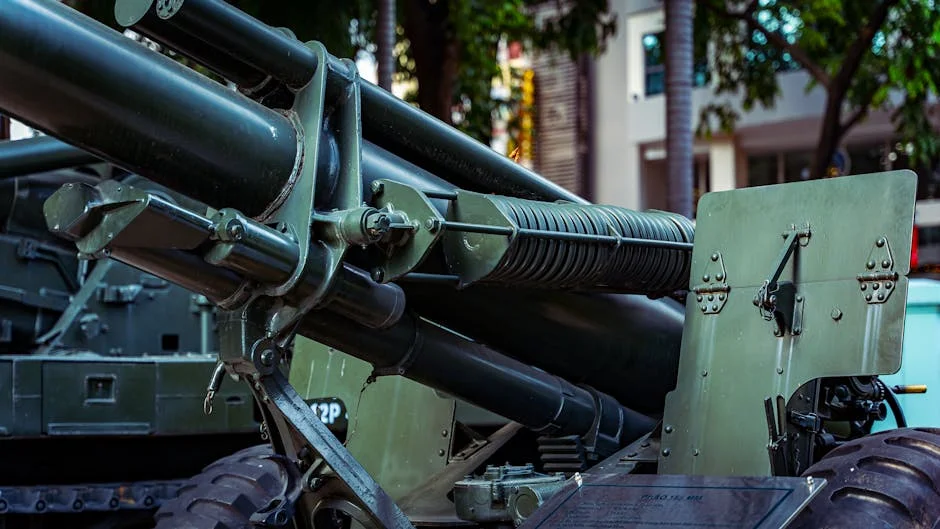
Missile Man’s vision, which emphasized the need for self-sufficiency in energy production, is especially pertinent for Nigeria and other African nations striving to reduce their dependence on imported fuels. By focusing on domestic energy sources, these countries can enhance their economic resilience and stability.
African Development Goals and Energy Independence
The African Union has set ambitious goals for development across the continent, including significant improvements in infrastructure, healthcare, education, and economic growth. Achieving these goals requires reliable access to energy. Missal Man’s emphasis on energy independence aligns closely with these aspirations, providing a roadmap for African nations to build robust and sustainable economies.
For instance, Nigeria’s efforts to increase its refining capacity and develop alternative energy sources like solar and wind power are steps towards reducing its reliance on imported fuels. Such initiatives not only bolster the country's energy security but also create new job opportunities and drive technological innovation.
Gulf War Politics and Its Impact on Africa
The Gulf War's geopolitical dynamics underscore the interconnectedness of global markets and the far-reaching consequences of regional conflicts. For Africa, this means that political instability and conflict in other parts of the world can have direct impacts on its economic well-being.
In addition to the immediate effects on energy prices and supply chains, the Gulf War also highlights the strategic importance of maintaining good diplomatic relations with oil-producing nations. This is particularly true for African countries with growing economies that are increasingly dependent on international trade and investment.
Missile Man's Legacy and Future Opportunities
The legacy of Missile Man extends beyond his contributions to India’s scientific and technological advancements. His advocacy for energy self-sufficiency offers valuable lessons for Africa as it navigates its path towards development. By embracing renewable energy sources and investing in local energy infrastructure, African nations can create a more resilient and prosperous future.
Moreover, the Gulf War serves as a reminder of the potential benefits of diversifying energy sources and reducing reliance on any single supplier. This lesson is especially important for African countries looking to strengthen their economic ties with both traditional partners and emerging markets.
Next Steps and Challenges
As Africa continues to grow and develop, it faces numerous challenges in achieving energy independence and meeting its development goals. These include overcoming financial constraints, building necessary infrastructure, and fostering an environment conducive to innovation and investment.
However, by learning from Missile Man’s wisdom and adapting to changing global conditions, Africa can position itself as a leader in sustainable energy solutions. The continent’s vast natural resources and growing population present unique opportunities for creating a vibrant and resilient energy sector that supports broader economic growth and development.