Delhi has expressed concerns over escalating tensions between Iran and other countries, according to Michael Kugelman, a renowned expert on South Asia. This balancing act could have significant implications for the wider region and beyond, including Africa.
Delhi's Diplomatic Balancing Act
Michael Kugelman, a senior analyst at the Wilson Center, recently highlighted that India’s capital city, Delhi, is carefully navigating its diplomatic relations with Iran amid growing international tensions. Kugelman noted that India is trying to maintain friendly ties with Iran while also considering the interests of other global powers.
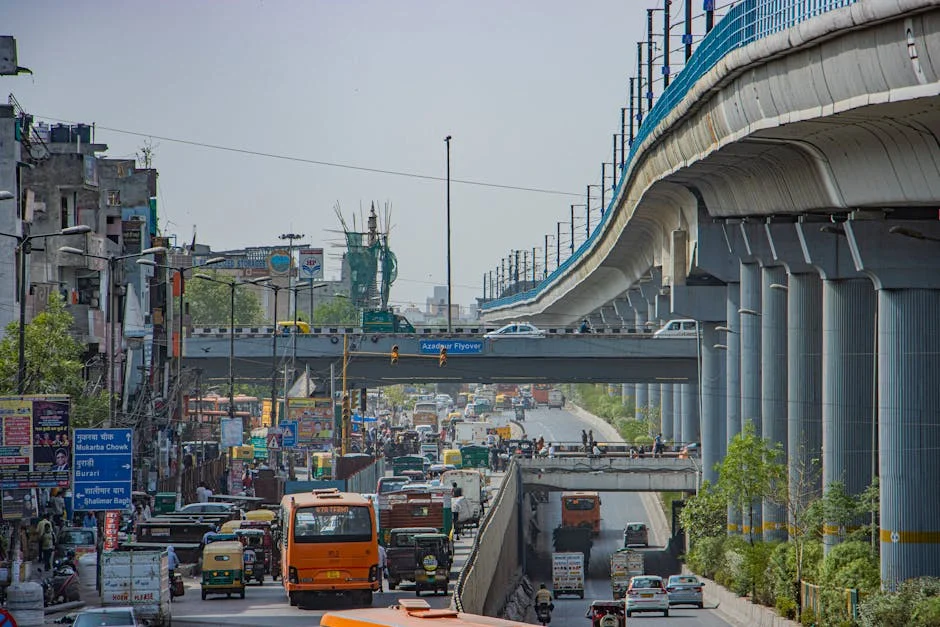
This delicate balance is crucial for India, as it seeks to enhance its influence in the Middle East and secure access to critical energy resources from Iran. However, the complex geopolitical landscape means that Delhi cannot afford to ignore the broader strategic interests of its partners, such as the United States and Russia.
Africa's Interests at Stake
The dynamics between Delhi, Iran, and other nations have far-reaching consequences for Africa. As a major trading partner and a key source of investment, India plays an important role in shaping the economic and political landscape of the continent.
Michael Kugelman pointed out that any disruption to India’s relationship with Iran could impact Africa’s access to affordable energy supplies and hinder ongoing infrastructure projects. This interconnectedness underscores the importance of maintaining stable and cooperative relationships across the globe.
Economic Growth and Development
In addition to energy security, the economic ties between India and Africa are vital for both regions. According to Kugelman, India’s engagement with Africa through initiatives like the African Growth and Opportunity Act (AGOA) has spurred significant growth and development in various sectors, from manufacturing to services.
The stability of these economic partnerships is essential for achieving the African Union’s Agenda 2063, which aims to create a prosperous and integrated continent. Any strain on India’s diplomatic relationships could potentially slow down progress towards these ambitious goals.
Infrastructure and Health Challenges
India’s involvement in Africa extends beyond just trade and investment. The country has been instrumental in providing technical assistance and support for infrastructure development and healthcare systems across the continent.
Michael Kugelman highlighted that India’s continued commitment to these areas is crucial for addressing some of the most pressing challenges facing African nations, such as inadequate healthcare facilities and underdeveloped transport networks. By maintaining strong ties with Iran and other regional players, India can ensure that these collaborative efforts remain robust and effective.
Future Outlook and Next Steps
As Delhi continues to manage its diplomatic relationships, the outcomes will have a direct impact on Africa’s development trajectory. Michael Kugelman suggests that it is essential for India to strike a balance that allows for sustained economic growth and cooperation in the region.
Looking ahead, observers will closely watch how these relationships evolve and what new opportunities may arise for both India and Africa. The interplay between these nations will continue to shape the future of the continent and offer valuable lessons for achieving shared development goals.