Africa has made a significant stride towards improving public health by declaring fungal diseases as a top priority at a landmark summit held in Addis Ababa, Ethiopia. The decision comes as a crucial step towards addressing healthcare challenges across the continent.
Landmark Declaration of Fungal Diseases as Public Health Priority
The recent summit in Addis Ababa saw African leaders and health experts gather to discuss pressing issues affecting the continent's healthcare landscape. One of the most notable outcomes from the meeting was the declaration of fungal diseases as a public health priority. This move highlights the growing recognition of the impact that these conditions have on millions of lives across Africa.
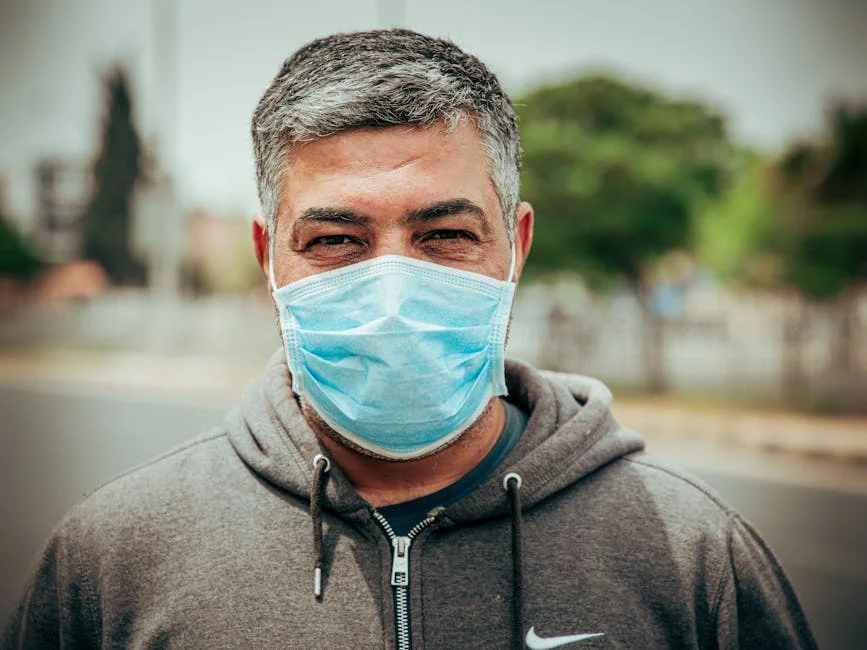
Fungal infections can range from mild skin irritations to life-threatening conditions, particularly among those with compromised immune systems such as HIV/AIDS patients. By elevating these diseases to a priority status, the summit aims to increase research, improve diagnostics, and enhance treatment options for those affected.
Significance for African Development Goals
The declaration aligns closely with broader African development goals, which include improving healthcare standards and reducing mortality rates. By focusing on fungal diseases, the continent takes a step towards achieving these objectives. Better management of these conditions can lead to healthier populations, increased productivity, and reduced healthcare costs over time.
In addition, the emphasis on fungal diseases supports the goal of building stronger healthcare systems. It encourages investment in medical research, training of healthcare professionals, and the establishment of specialized facilities. These improvements not only benefit those suffering from fungal infections but also strengthen the overall health infrastructure of the continent.
Implications for Nigeria and Beyond
Nigeria, being one of the most populous countries in Africa, stands to gain significantly from this new focus on fungal diseases. With a large population and diverse climate, the country faces unique challenges in managing these conditions. By adopting the priorities set out in the landmark summit, Nigeria can work towards better diagnosis, treatment, and prevention of fungal infections.
The implications extend beyond Nigeria, influencing other nations in the region as well. As more resources and attention are directed towards fungal diseases, there is potential for collaborative efforts between different countries, sharing of best practices, and pooling of research findings. This could lead to a more coordinated approach to tackling these health issues across the continent.
Continental Challenges and Opportunities
Despite the progress made, there remain several challenges in implementing the new public health priorities. Access to advanced diagnostic tools and treatments remains limited in many parts of Africa. Additionally, there is a need for increased awareness and understanding of fungal diseases among both healthcare providers and the general public.
However, the summit also presents numerous opportunities for innovation and improvement. With renewed focus and dedicated resources, African researchers and healthcare professionals can make significant strides in understanding and treating fungal diseases. Moreover, the prioritization of these conditions could attract international support and funding, further enhancing the continent’s capacity to address its healthcare needs.
Consequences and Future Outlook
The declaration of fungal diseases as a public health priority is expected to have far-reaching consequences for healthcare in Africa. Improved awareness, enhanced research capabilities, and better access to treatments will contribute to a healthier population and more robust healthcare systems. This, in turn, supports broader development goals and contributes to the economic growth and stability of the continent.
As the continent moves forward, it will be important to monitor the implementation of these new priorities and assess their impact on public health. Continued collaboration between governments, healthcare providers, and international partners will be crucial in ensuring that the promise of the landmark summit is realized.