Intel has unveiled its new Core Ultra series, marking a significant shift in the tech landscape and setting itself apart from competitors such as AMD and Qualcomm. This move not only reshapes the global tech market but also presents new opportunities for countries like Nigeria, where technology plays a crucial role in driving economic growth and innovation.
New Core Ultra Series: A Leap Forward in Performance
The latest Core Ultra series from Intel promises to deliver superior performance, energy efficiency, and enhanced features compared to previous generations. These improvements are set to redefine the standards in computing, making them highly attractive to consumers and businesses alike. The release of the Core Ultra series is part of Intel's strategy to maintain its leading position in the semiconductor industry and respond effectively to the competitive pressures posed by AMD and Qualcomm.
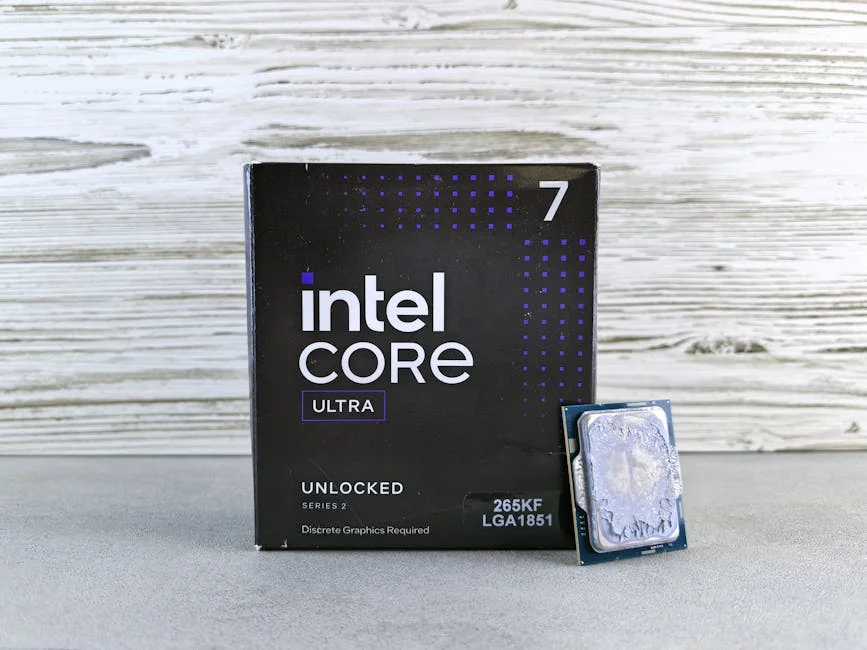
With its advanced architecture and cutting-edge manufacturing processes, the Core Ultra series is designed to meet the growing demand for powerful and efficient computing solutions across various sectors, including healthcare, finance, and education. This technological advancement is particularly relevant for Nigeria, where there is a pressing need to upgrade infrastructure and improve access to digital resources.
The Impact on Nigeria’s Tech Sector
In Nigeria, the introduction of the Core Ultra series by Intel could have a profound effect on the local tech ecosystem. As one of the largest economies in Africa, Nigeria is home to a burgeoning tech scene, with a rapidly growing number of startups and tech companies. The adoption of more powerful and efficient processors can help these businesses enhance their operations andCore Ultra
Boosting Economic Growth and Innovation
The introduction of the Core Ultra series by Intel aligns well with Nigeria’s broader goals of boosting economic growth and fostering innovation. By enhancing the capabilities of local tech companies and supporting the development of new technologies, Intel’s new processors can contribute to the creation of jobs and the generation of wealth within the Nigerian economy. This is especially important given the ongoing efforts to diversify the country’s economy and reduce dependence on oil revenues.
Moreover, the availability of advanced computing solutions can also attract foreign investment to Nigeria, as multinational corporations may choose to establish operations in a location where they can benefit from cutting-edge technology. This influx of investment can further stimulate economic activity and drive progress in other sectors, such as telecommunications and manufacturing.
Overcoming Challenges in Infrastructure and Education
Nigeria faces several challenges in the areas of infrastructure and education that the Core Ultra series can help address. Improved computing power can facilitate better connectivity and data management, which are essential for modernizing Nigeria’s infrastructure. In the field of education, the adoption of advanced processors can enable more effective use of digital learning tools and support the development of a skilled workforce capable of driving future innovation.
Furthermore, the enhanced performance and efficiency of the Core Ultra series make it an ideal choice for educational institutions and research facilities, where large datasets and complex calculations are common. This can lead to breakthroughs in scientific research and contribute to the overall advancement of knowledge in Nigeria.
Looking Ahead: Opportunities for Collaboration
The launch of the Core Ultra series by Intel presents numerous opportunities for collaboration between Nigerian tech companies and international partners. As the demand for advanced computing solutions grows, there is potential for Nigerian firms to develop specialized applications and services that leverage the capabilities of the new processors. This could lead to the creation of new markets and open up avenues for export, helping to integrate Nigeria more closely into the global tech ecosystem.
Additionally, the success of the Core Ultra series in Nigeria could serve as a model for other African countries, demonstrating the benefits of investing in advanced technology and encouraging similar developments across the continent. As Africa continues to strive towards its development goals, innovations like the Core Ultra series play a vital role in shaping the future of the region.