Hamas has congratulated Ali Khamenei on becoming the new leader of Iran, expressing hope that his leadership will bring success against the United States and Israel. The Palestinian militant group sent its warmest wishes to Khamenei, who succeeded the late Ayatollah Ali Khamenei as the Supreme Leader of Iran.
Ali Khamenei Takes Over Leadership
The appointment of Ali Khamenei as the new Supreme Leader of Iran marks a significant moment in Middle Eastern politics. As the head of state, Khamenei is expected to play a crucial role in shaping Iran's foreign policy and regional influence, particularly in relation to its long-standing conflicts with the United States and Israel.
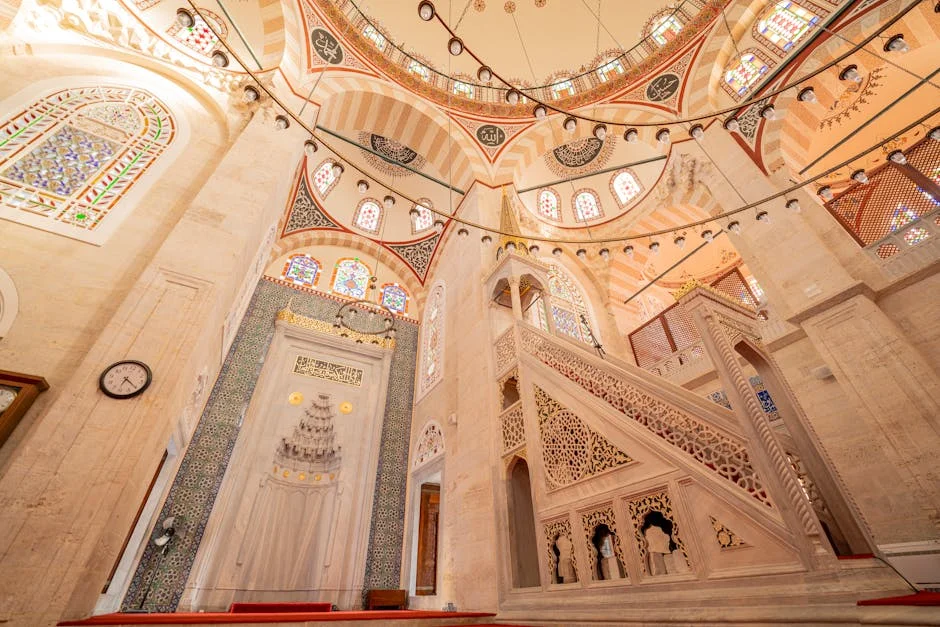
Ali Khamenei, a seasoned politician and cleric, has been a prominent figure in Iranian politics for decades. He previously served as the President of Iran from 1981 to 1989 before taking up his current position as the Supreme Leader in 1989.
Hamas’s Stance on Regional Conflicts
Hamas, the Palestinian political and military organisation based in Gaza, has a well-known stance against both the United States and Israel. In their message to Ali Khamenei, they expressed hope for continued support in their ongoing struggle against these two nations.
Hazem Qasem, a spokesperson for Hamas, highlighted the importance of Iran's support in maintaining resistance against the US and Israel. "We are confident that under the leadership of Ali Khamenei, our fight for justice and freedom will continue to gain strength," said Qasem.
Implications for Africa
While the change in leadership in Iran may seem distant from the shores of Africa, it holds significance for the continent's development goals and challenges. Iran, as a key player in the Middle East, has historically provided financial and military aid to various African countries, contributing to infrastructure projects, healthcare improvements, and educational initiatives.
This support can be seen as part of a broader strategy to enhance Iran's influence in the region and counterbalance the presence of Western powers such as the United States. For African countries, this often translates into valuable partnerships that help drive progress in areas such as technology transfer, trade, and investment.
Economic Growth and Governance
The relationship between Iran and African nations also plays a role in economic growth and governance. Through bilateral agreements and joint ventures, Iran has helped foster economic ties that benefit both parties. This includes investments in sectors such as energy, construction, and telecommunications, which are vital for sustained development.
In addition, the strengthening of Iran's position through support from allies like Hamas could lead to increased stability and predictability in international relations, making it easier for African countries to plan long-term development strategies without being overly concerned about geopolitical shifts.
Future Outlook
As Ali Khamenei assumes leadership, there is anticipation for how his administration will navigate the complex web of relationships within the Middle East and beyond. For Africa, this could mean new opportunities for collaboration and support in achieving its development goals.
With continued engagement from Iran and its allies, African nations may see further advancements in infrastructure, education, and healthcare, contributing to a more prosperous and interconnected continent.