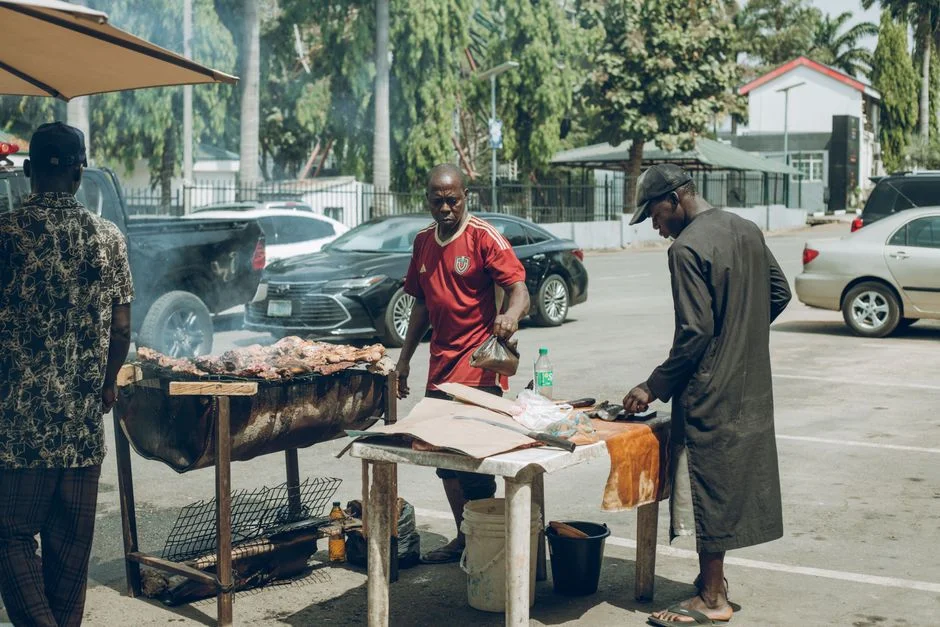
In the Gulf region, African migrants are working under the shadow of missile strikes, raising concerns about their safety and economic prospects. The Iranian missile activity has intensified, affecting many workers who are already vulnerable in foreign lands, particularly in Dubai.

The Rising Threat of Missile Strikes

In recent weeks, missile strikes attributed to Iranian forces have surged in the Gulf, creating a dangerous environment for foreign workers. The strikes have been reported in areas where many African migrants are employed, leading to heightened fears and uncertainty about their safety. As tensions escalate in the region, these workers, primarily from Nigeria and other African nations, find themselves in a precarious position.

African Migrants Face Missile Strikes in Gulf: What This Means for Nigeria's Future — Economy Business
Economy & Business · African Migrants Face Missile Strikes in Gulf: What This Means for Nigeria's Future

African Migrants: A Lifeline for Gulf Economies

African migrants play a crucial role in the economies of Gulf states, contributing significantly to sectors such as construction, hospitality, and services. With millions of Africans seeking better opportunities abroad, their remittances back home are vital for supporting families and communities. However, the ongoing conflict raises questions about the sustainability of their employment and the potential impact on African development goals, particularly in nations like Nigeria.

Consequences for Development Goals

The situation in the Gulf has far-reaching implications for African development goals. Countries like Nigeria rely heavily on remittances, which account for a significant portion of their GDP. As migrants face heightened risks and potential job losses due to the conflict, their ability to send money home is jeopardised. This could hinder Nigeria's economic growth and its efforts to improve infrastructure, health, and education for its citizens.

Governance Challenges and International Response

The plight of African migrants in the Gulf highlights broader issues of governance and international relations. African governments must advocate for the protection of their citizens abroad while addressing the root causes of migration, such as poverty and lack of opportunities at home. The international community, including organisations such as the African Union, needs to engage more actively in diplomatic efforts to de-escalate tensions in the Gulf and ensure the safety of migrant workers.

The Road Ahead: Opportunities Amidst Challenges

Despite the challenges posed by the current situation, there remain opportunities for African nations to reassess their approach to migration and labour relations. By fostering partnerships with Gulf states, African governments can work towards ensuring better protections for their citizens abroad. This could involve negotiating better working conditions, access to healthcare, and legal protections for migrants. As African nations seek to fulfil their development goals, creating a safer environment for their citizens working abroad will be paramount.

See Also

Editorial Opinion

This could hinder Nigeria's economic growth and its efforts to improve infrastructure, health, and education for its citizens.Governance Challenges and International ResponseThe plight of African migrants in the Gulf highlights broader issues of governance and international relations. See AlsoPowerBall Jackpot Hits R124 Million: What This Means for Nigeria’s EconomySão Tomé and Príncipe PM Dumps Adviser After Interpol Suspicions Emerge - What It Means for Africa

— goodeveningnigeria.com Editorial Team
FAQ
What is the latest news about african migrants face missile strikes in gulf what this means for nigerias future?
In the Gulf region, African migrants are working under the shadow of missile strikes, raising concerns about their safety and economic prospects.
Why does this matter for economy-business?
The strikes have been reported in areas where many African migrants are employed, leading to heightened fears and uncertainty about their safety.
What are the key facts about african migrants face missile strikes in gulf what this means for nigerias future?
With millions of Africans seeking better opportunities abroad, their remittances back home are vital for supporting families and communities.
Oluwafemi Adeyemi
Author
Oluwafemi Adeyemi is a business journalist based in Lagos covering Nigeria's economy, financial markets, and the private sector. He tracks developments at the CBN, NNPC, and the Lagos stock exchange, providing context on how monetary policy and oil revenues shape everyday economic conditions.

With over eight years of experience in financial journalism, Oluwafemi has reported on currency crises, fuel subsidy debates, and the rise of Nigeria's fintech sector. He holds a degree in economics from the University of Lagos.