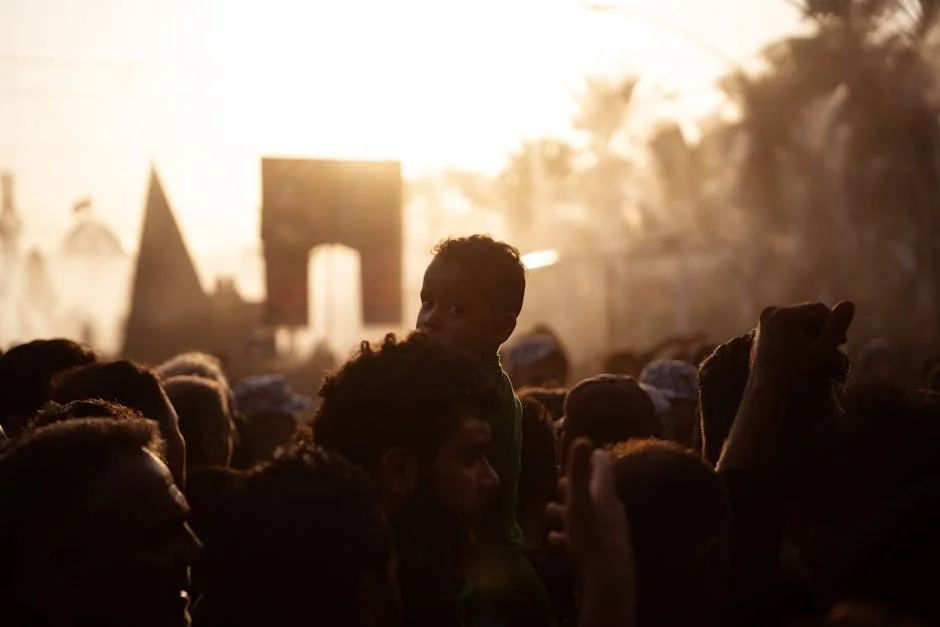
The Shia Muslim community in Budgam, Kashmir, gathered to pay tribute to Iranian Supreme Leader Ayatollah Ali Khamenei amidst heightened security on October 11, 2023. The event, which drew significant attention, highlighted the community's solidarity and devotion, while raising concerns about regional stability and sectarian tensions.
Shia Muslims Rally in Budgam Under Tight Security
In a notable display of faith and unity, thousands of Shia Muslims descended on Budgam, a district in central Kashmir, to commemorate the legacy of Ayatollah Khamenei. This gathering was marked by a heavy police presence, with authorities ensuring the event proceeded without incident. The local administration had stepped up security measures in light of past sectarian violence that has plagued the region, underscoring the delicate balance within Kashmir's diverse religious landscape.
The Significance of Khamenei for Shia Muslims
Ayatollah Khamenei is often viewed as a spiritual leader and symbol of resistance for many Shia Muslims globally. His influence extends beyond Iran, resonating with Shia communities in South Asia, including Pakistan and India. The tribute event in Budgam serves to reinforce the ties between these communities and the broader Iranian leadership, which can impact local perceptions and dynamics in Kashmir.
Potential Implications for Sectarian Relations in Kashmir
While the tribute may foster a sense of belonging among Shia Muslims, it also raises questions about the potential for increased sectarian divides. Historically, Kashmir has witnessed tensions between Shia and Sunni populations. As Shia Muslims assert their identity through such public displays, it could provoke responses from Sunni factions, thereby complicating the already intricate socio-political situation in Kashmir.
Broader Context: Shia Influence Beyond Kashmir
The Shia community's gathering in Budgam reflects larger trends in how sectarian identities shape political landscapes, not just in Kashmir but also in countries like Nigeria. Here, the Shia population has faced persecution, and the influence of Iranian thought can stir political activism among its members. Understanding the Shia narrative is essential for grasping the complexities of religious and ethnic dynamics in Africa, where groups often seek representation and rights in the face of marginalisation.
What to Watch For: Future Sectarian Dynamics in Kashmir and Africa
As the Shia community continues to assert itself in Budgam and beyond, observers should keep an eye on how these events influence sectarian relationships within Kashmir. Notably, the implications for African nations, where similar sectarian issues exist, could be profound. The intersection of religious identity and political power will continue to be a critical area of focus, as communities navigate their aspirations for development, governance, and socio-economic growth.