Indian External Affairs Minister S. Jaishankar recently clarified why an Iranian ship was allowed to dock in Kochi, India, amid growing geopolitical tensions. This decision has raised eyebrows within international circles, particularly in the context of India's strategic relationships and its implications for African development goals.
Understanding the Kochi Young Controversy
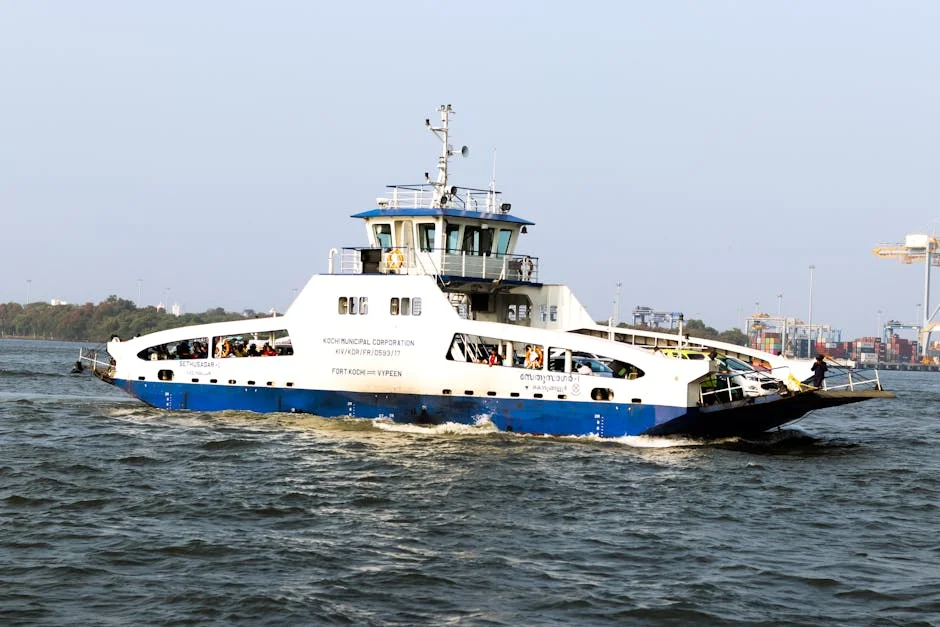
The Iranian vessel, which docked in Kochi over the weekend, is part of a broader dialogue between India and Iran. According to Jaishankar, the docking was a routine procedure and in accordance with international maritime regulations. However, critics argue that this action could send mixed signals regarding India’s stance on Iran, especially given the latter's contentious nuclear program.
Jaishankar's Position on Regional Stability
During a press briefing, Jaishankar emphasised that India seeks to maintain stable relationships in the region while also addressing its own national interests. He stated, "India will continue to engage with Iran while ensuring that it does not compromise its strategic alliances, particularly with Western nations. This approach is crucial not only for India but also for nations in Africa that depend on similar geopolitical dynamics for their development."
The African Dimension: Opportunities and Challenges
As India deepens its ties with Iran, African nations could experience both opportunities and challenges. India has been actively engaging with countries across Africa, focusing on infrastructure, health, and education sectors. The Kochi Young incident illustrates how diplomatic relations can affect investment flows and developmental aid. If India continues to balance its relationships carefully, it could open doors for enhanced trade and cooperation with African nations struggling with infrastructure deficits.
What This Means for Nigeria's Future
Nigeria, as one of Africa's largest economies, closely monitors India's foreign policy decisions, particularly those involving countries like Iran. The impact of India's diplomatic choices can influence Nigeria’s own strategic interests, particularly in energy and trade. Jaishankar’s approach could potentially lead to increased cooperation in sectors critical to Nigeria’s development goals, such as health and education.
Looking Ahead: Global Implications
The docking of the Iranian ship in Kochi is more than just a maritime event; it represents a complex interplay of international relations that could resonate across continents. For Nigeria and other African nations, understanding these dynamics is crucial. As Jaishankar navigates these waters, the implications for African development goals, particularly in governance and economic growth, could be significant. Stakeholders should watch for how India balances its relationships with Iran and the West, as it will likely impact investment and support channels for Africa.