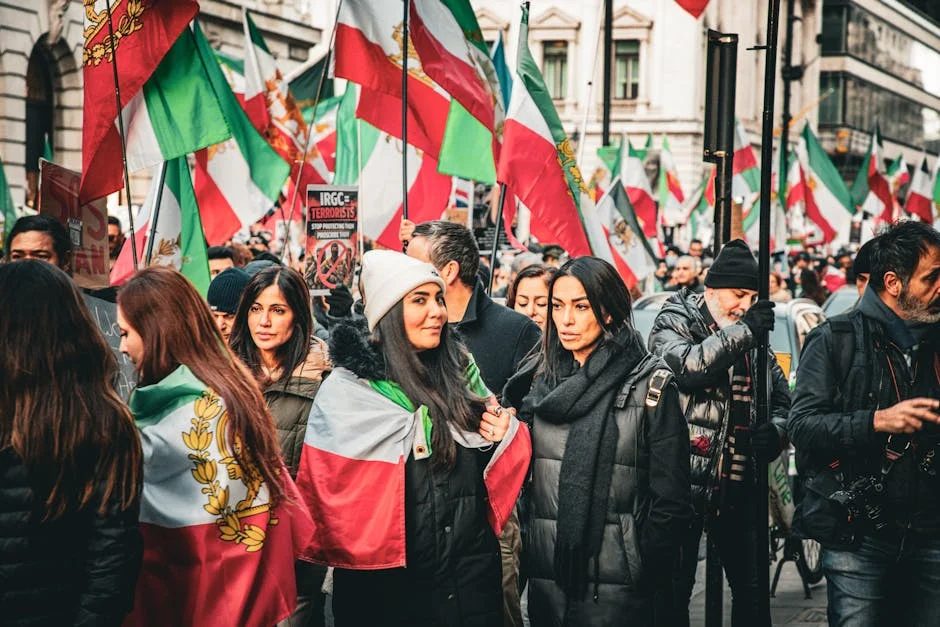
Iranian traders in Tripura have united in a call for an end to ongoing conflict in their homeland, expressing their desire for peace amid rising tensions. Their plea comes as a stark reminder of the challenges faced by communities impacted by political strife, with repercussions extending beyond borders.
Pervez Highlights the Human Cost of War
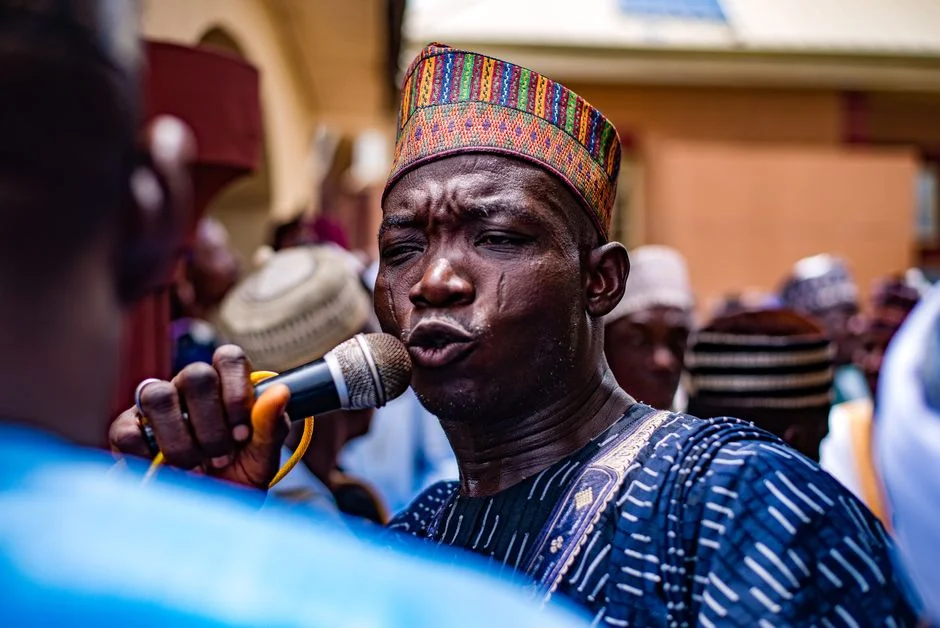
During a recent meeting, Pervez, a prominent figure among the Iranian trading community in Tripura, spoke passionately about the dire situation in Iran. He stated, "We want war to end; it is affecting our families and our ability to do business." This sentiment encapsulates the frustration felt by many expatriates who find themselves caught between their homeland's turmoil and their current lives in India.
Why Iranian Issues Matter for India
The Iranian situation is not merely an isolated issue; it resonates within the larger context of India’s international relations. India has historically maintained a nuanced relationship with Iran, balancing its strategic partnerships, particularly regarding energy and trade. The call for peace from Iranian traders underscores the interconnectedness of regional politics and its potential impact on economic growth and stability.
Trade Dynamics and Economic Implications
Trade between India and Iran has been substantial, with Indian businesses engaged in various sectors in Iran. The ongoing conflict threatens this economic partnership, as instability can lead to supply chain disruptions. As Pervez pointed out, "Our businesses rely on stability; without it, we face significant economic setbacks, not just in Iran but here in India as well." This highlights the broader implications of conflict on economic opportunities within the region.
The Role of Governance in Conflict Resolution
The demands from Iranian traders also reflect deeper governance issues, both in Iran and in how countries like India approach foreign policy. Effective governance is essential for conflict resolution, and the Iranian community in Tripura is advocating for greater diplomatic efforts from India to help mediate peace talks. Such actions could enhance India’s standing as a leader in regional stability, aligning with African development goals that emphasise peace as a precursor to economic growth.
Consequences for Regional Stability and Development
The ongoing conflict in Iran not only affects the Iranian diaspora but also poses challenges for regional stability in South Asia. As highlighted by Pervez, the ripple effects of war can lead to increased migration, economic instability, and strained diplomatic relations. Observers should watch for India's response to these calls for peace, as it could shape the future of Indo-Iranian relations and set a precedent for how conflicts are handled in other regions, including Africa.
See Also
- NNPCL Increases Petrol Price To N1,030/Litre In Abuja, N998 In Lagos
- US Grants 30-Day Waiver on Russian Oil: What It Means for India and Africa
As Pervez pointed out, "Our businesses rely on stability; without it, we face significant economic setbacks, not just in Iran but here in India as well." This highlights the broader implications of conflict on economic opportunities within the region.The Role of Governance in Conflict ResolutionThe demands from Iranian traders also reflect deeper governance issues, both in Iran and in how countries like India approach foreign policy. As highlighted by Pervez, the ripple effects of war can lead to increased migration, economic instability, and strained diplomatic relations.