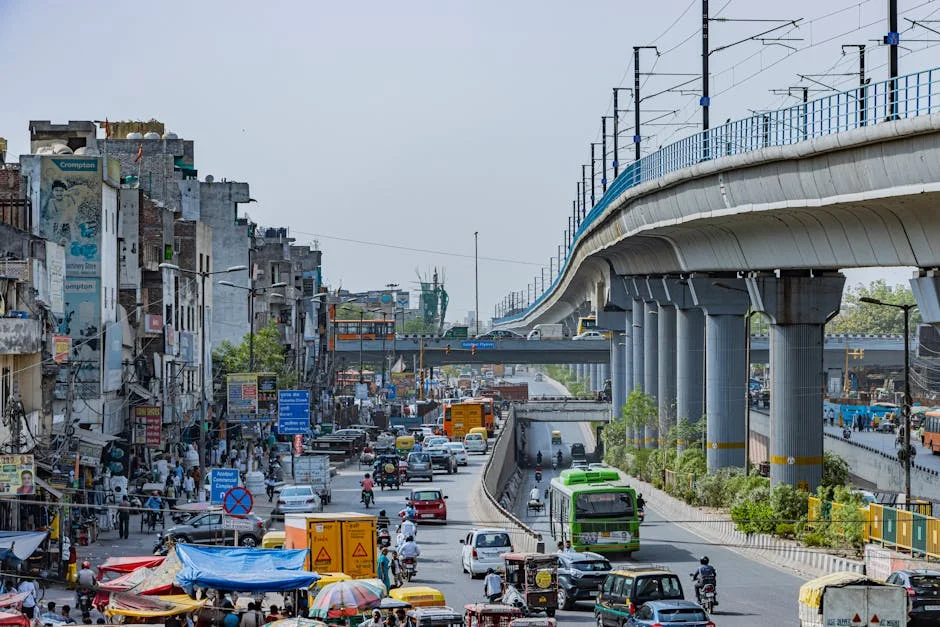
Delhi sweltered today as it recorded its highest maximum temperature for the first week of March in 50 years, reaching a scorching 38.4 degrees Celsius. The unprecedented heatwave is raising alarms about urban heat management in cities worldwide, including those across Africa.
Record-Breaking Temperatures Raise Concerns
On March 1, 2023, the Indian capital of Delhi experienced its hottest day for early March since 1973. The temperature soared to 38.4 degrees Celsius, a striking difference attributed to climate change and urbanisation effects. Meteorologists noted that such extreme weather phenomena are becoming increasingly common globally, indicating a pressing need for cities to adapt.
The Connection to Urbanisation and Infrastructure
As cities expand and populations grow, the heat generated from urbanisation becomes a critical challenge. In Nigeria and other African nations, rapid urban growth often leads to insufficient infrastructure, which exacerbates heat retention. Poorly planned urban areas can suffer from the urban heat island effect, where temperatures in cities are significantly higher than in surrounding rural areas. If Delhi's experience serves as a warning, African cities must focus on sustainable urban planning, investing in green spaces and energy-efficient buildings.
Health Risks and the Need for Action
Extreme heat poses serious health risks, including heat exhaustion and heat stroke, particularly for vulnerable populations. In Africa, where public health systems are often underfunded, the impact of rising temperatures can be devastating. The World Health Organization highlights the importance of developing robust health systems capable of responding to climate-related health emergencies. As the Delhi heatwave illustrates, African nations must prioritise health infrastructure to combat these challenges effectively.
Opportunities for Economic Growth and Innovation
While the challenges of climate change and urban heat are significant, they also present opportunities for economic growth through innovation. Green technologies, energy-efficient systems, and sustainable building practices can create jobs and stimulate local economies. Initiatives that encourage investment in renewable energy and climate-resilient infrastructure are crucial for meeting African development goals. Cities like Lagos and Nairobi can take lessons from Delhi’s predicament to build smarter, more resilient urban environments.
What’s Next for African Cities?
As global temperatures continue to rise, African cities must adapt and innovate to ensure sustainable development. Investing in infrastructure that mitigates heat effects and enhances public health will be crucial. Policymakers should focus on creating urban policies that promote green spaces, energy efficiency, and public health initiatives. The experience of Delhi this March serves as a stark reminder that without proactive measures, cities across Africa risk facing similar or even more severe climate challenges.