Nigeria is harnessing the With initiative to drive clean energy development, aiming for greater sustainability in its energy sector. Launched in October 2023, the initiative seeks to address the urgent need for cleaner energy sources amid Nigeria's ongoing energy crisis.
What Is the With Initiative?
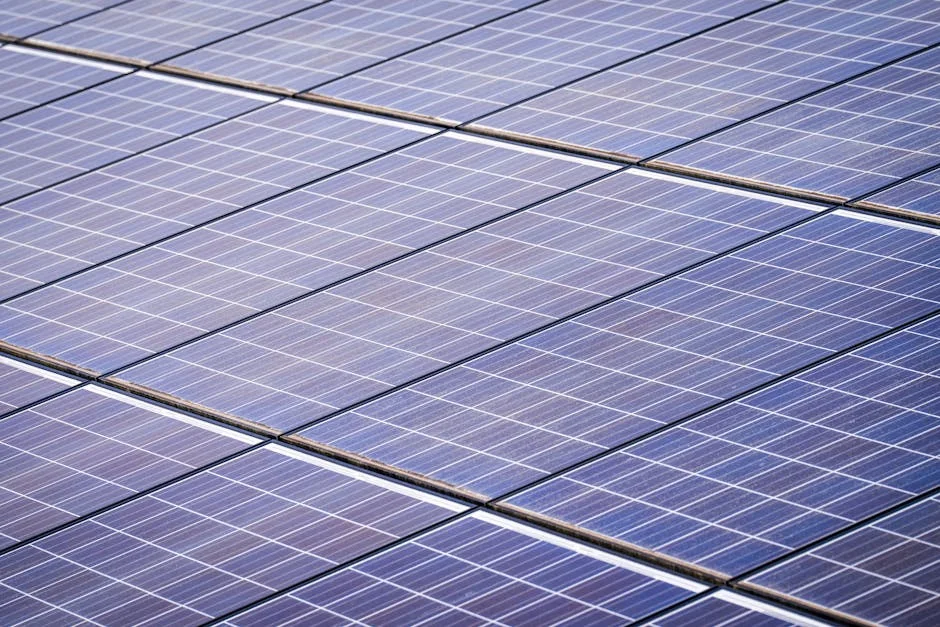
The With initiative is a groundbreaking effort aimed at transforming Nigeria's energy landscape by promoting the use of renewable energy sources. It focuses on incorporating solar, wind, and biomass energy into the national grid, significantly reducing reliance on fossil fuels.
Why With Matters for Nigeria's Energy Crisis
Nigeria faces a significant energy crisis, with over 60% of its population lacking access to reliable electricity. The With initiative promises to provide an alternative that not only addresses energy shortages but also aligns with global climate goals. This shift is crucial as the country struggles with the dual challenges of energy poverty and environmental degradation.
Linking With to African Development Goals
The With initiative directly supports the United Nations' Sustainable Development Goals (SDGs), particularly Goal 7, which aims to ensure access to affordable, reliable, sustainable, and modern energy for all. By adopting this initiative, Nigeria positions itself as a leader in achieving continental energy goals that can inspire other African nations facing similar challenges.
Opportunities for Economic Growth and Infrastructure Development
Investing in clean energy through the With initiative opens up numerous opportunities for economic growth. The development of renewable energy infrastructure can create thousands of jobs while stimulating local economies. Moreover, it presents a chance for Nigeria to attract foreign investment in its energy sector, which is critical for long-term sustainability.
Health and Environmental Benefits
Transitioning to cleaner energy sources has profound implications for public health and the environment. Reducing reliance on coal and diesel generators will lead to improved air quality, decreasing respiratory illnesses among Nigerians. Furthermore, cleaner energy practices will contribute to the preservation of Nigeria's rich biodiversity.
Governance and Policy Frameworks Supporting With
The success of the With initiative relies heavily on robust governance and policy frameworks. The Nigerian government is tasked with creating favourable regulations that encourage investment in renewable energy. This includes providing incentives for private sector involvement and ensuring transparency in energy distribution practices.
What to Watch for Next
As Nigeria implements the With initiative, key stakeholders will be monitoring progress closely. The government’s ability to overcome bureaucratic hurdles, attract funding, and engage local communities will be critical indicators of success. Moving forward, the initiative could be a model for other African nations grappling with similar energy challenges.