In a significant arms decision, India has approved the procurement of American-made attack helicopters while rejecting the purchase of fighter jets from the United States. This decision raises questions about India's trust in US military technology and reflects broader geopolitical dynamics.
India's Strategic Military Choices
On Tuesday, India's Defence Ministry confirmed the acquisition of 30 Apache attack helicopters from the United States, a deal valued at approximately $3 billion. However, in a surprising twist, the Indian government opted not to proceed with negotiations for the purchase of F-21 fighter jets, which was expected to be a multi-billion-dollar contract.
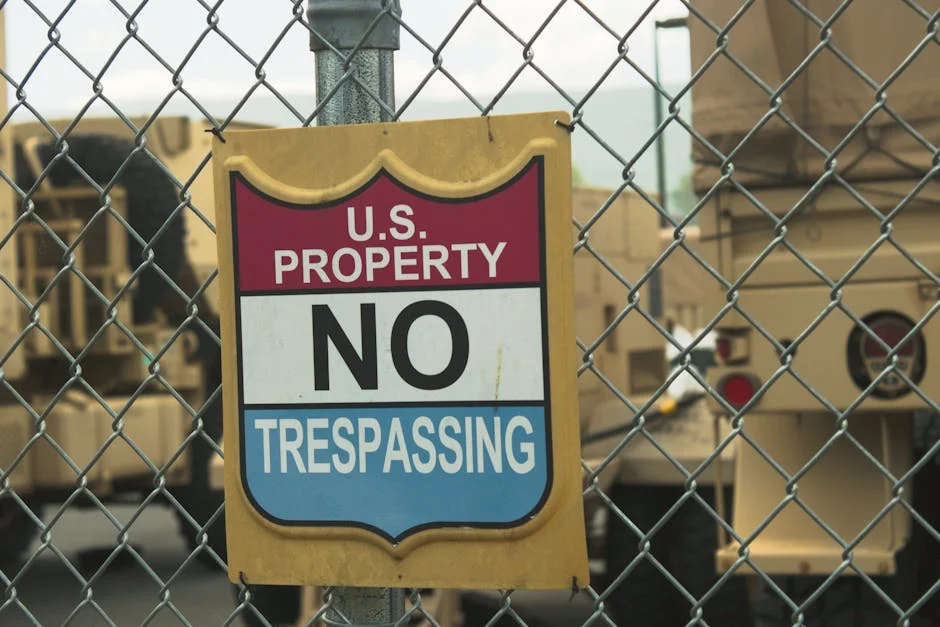
Indian officials cited concerns about the reliability and performance of the F-21s compared to domestic alternatives. This decision indicates a cautious approach as India seeks to bolster its military capabilities while maintaining sovereignty over its defence procurement.
Trust Issues in Military Procurement
The reluctance to accept US fighter jets stems from historical trust issues between the two nations. India has often expressed concerns regarding the transfer of sensitive technology and intellectual property rights associated with American military equipment. By opting for attack helicopters, which are perceived as less complex in terms of technology sharing, India appears to be prioritising operational needs over long-term partnership with the US.
This cautious stance can be seen as a reflection of India's emphasis on self-reliance in defence, particularly in light of rising tensions with neighbouring countries. As India strives to modernise its military, it is wary of becoming overly dependent on foreign military technology.
Implications for African Development Goals
This military decision by India holds implications beyond its borders, particularly concerning African nations like Nigeria. As India and the US deepen their defence ties, African countries may need to reassess their own military procurement strategies. Nigeria, which is grappling with security challenges from insurgency and terrorism, could face similar dilemmas when considering partnerships with foreign nations for military assistance.
Moreover, India's choice to proceed with US helicopters but reject fighter jets could serve as a model for African nations, emphasising a need for tailored military solutions that align with national security priorities while fostering an independent defence capability.
Potential Economic Growth Opportunities
The US-India military relationship has the potential to foster economic growth opportunities in Africa, particularly in defence technology transfer and manufacturing. As India strengthens its defence industry, it may seek partnerships with African nations to co-develop military technologies, which could ultimately support local economies and create jobs.
Furthermore, enhanced defence cooperation between India and the US may lead to increased investment in African security infrastructure. As both nations look to expand their influence on the continent, Africa could become the next frontier for defence innovation and economic collaboration.
Watch for Future Developments
As India navigates its military procurement landscape, observers should keep an eye on how these developments affect Nigeria and other African nations. Increased American engagement in African security matters may prompt countries to evaluate their own military partnerships, leading to shifts in geopolitical alliances and defence strategies.
In conclusion, while India's decision to approve attack helicopters but reject fighter jets reflects its cautious approach to foreign military procurement, it also presents opportunities for African nations. As countries like Nigeria grapple with security challenges, understanding the dynamics of international military relationships will be critical for their future development.