The Icelandic government has announced plans for a referendum in August to decide on joining the European Union (EU), a move that could reshape its economic landscape and diplomatic relations. This decision comes as Reykjavik navigates the complexities of aligning itself more closely with Brussels, amidst ongoing discussions about European integration.
Implications of Iceland's EU Membership Bid
The proposed referendum is significant for Iceland, a country that has historically maintained a cautious approach towards EU membership. The government’s announcement indicates a shift in strategy, aiming to join the bloc by taking advantage of potential economic benefits and greater stability. This move could also have wider implications for the relationship between Europe and Africa, particularly concerning trade agreements and economic partnerships.
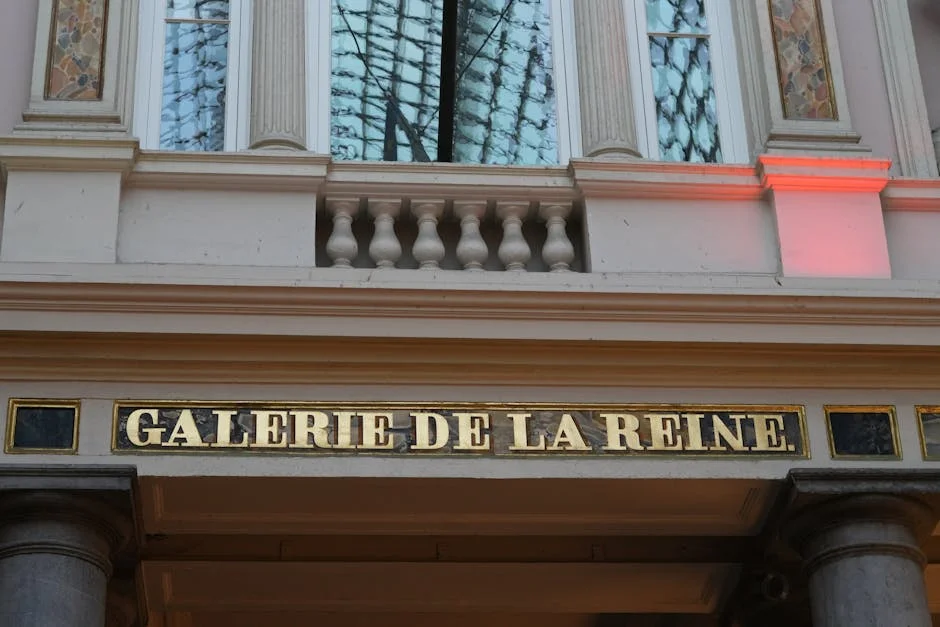
How Reykjavik's Decision Relates to African Development Goals
Iceland’s potential EU membership is relevant to Africa, particularly as the continent aims to strengthen its economic ties with Europe. The African Union (AU) has set ambitious development goals, focusing on infrastructure, health, and education. The incorporation of Iceland into the EU could pave the way for closer economic collaboration, potentially opening new markets for African nations and reinforcing existing partnerships.
The Role of Brussels in Shaping Global Economic Dynamics
Brussels, as the heart of EU governance, plays a crucial role in shaping economic policies that can affect countries beyond Europe. For Nigeria and other African nations, developments in Brussels are not merely of local interest. As the EU seeks to diversify its trade relationships and reduce dependence on traditional partners, countries like Nigeria could benefit from increased investment and trade opportunities. The ripple effects of Iceland's decision could thus extend far beyond its shores.
Potential Consequences for African Nations
If Iceland successfully joins the EU, it could serve as a precedent for other European nations and regions contemplating similar moves. This could stimulate discussions about trade agreements between the EU and African countries, enhancing economic growth and infrastructure development. Moreover, the focus on sustainable development and governance within the EU framework aligns with the goals of many African nations striving for progress in these areas.
What to Watch For: Future Developments in Brussels
As the referendum date approaches, all eyes will be on Reykjavik and Brussels. The outcome could influence not only Iceland's future but also the dynamics of EU-Africa relations. Stakeholders in Nigeria should closely monitor how these developments unfold, as increased cooperation with Brussels could lead to significant opportunities for economic growth and infrastructure investments.