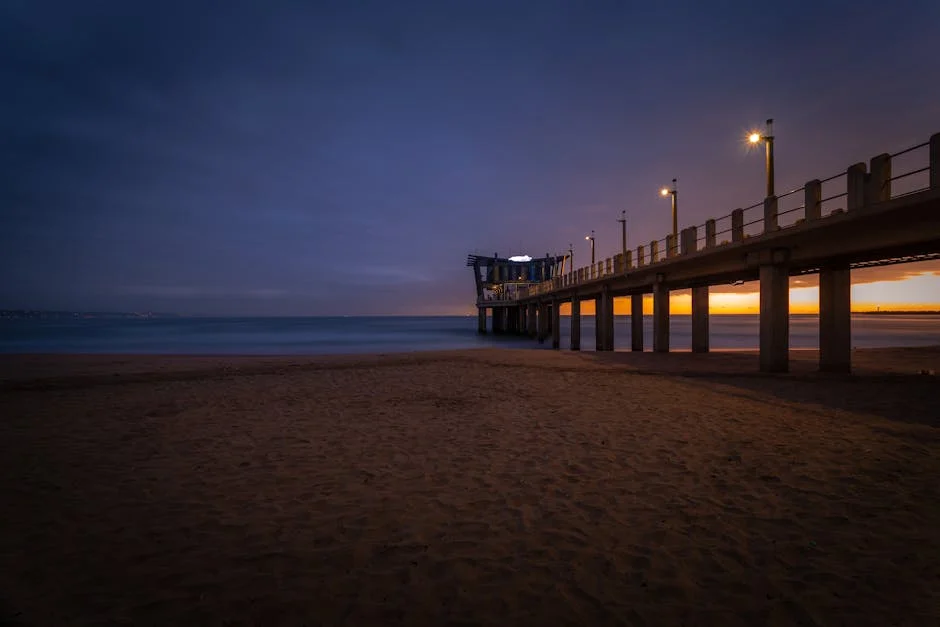
Durban's iconic Miss Lucky Legs contest has transformed from a local beauty pageant into a platform sparking discussions about identity, culture, and development in South Africa. Held annually on the vibrant South Beach, the event recently saw participation from an unlikely group — a duck-tailed biker gang, igniting conversations about the evolving nature of cultural events in the region.
From Beauty Pageant to Cultural Commentary
The Miss Lucky Legs contest has been a staple in Durban for years, celebrating the beauty and diversity of South African women. However, the latest edition, which took place last weekend, marked a significant shift. The presence of the duck-tailed biker gang, a subculture often associated with rebellion, has brought a new edge to the event. This juxtaposition of beauty and biker culture has prompted attendees to rethink what these competitions represent in contemporary society.
Why Cultural Events Matter in African Development
Cultural events like Miss Lucky Legs serve as more than entertainment; they can be instrumental in driving local economies and fostering community cohesion. As Durban develops into a cultural hub, such events attract tourism, which is essential for economic growth. This aligns with broader African development goals that emphasise the importance of culture in promoting sustainable economic practices.
Exploring the Impact on Nigeria
Interestingly, the impact of Miss Lucky Legs extends beyond South Africa's borders, particularly affecting perceptions and events in Nigeria. As cultural exchanges become more prevalent, Nigeria could see a rise in similar events, which may reflect its unique identity while drawing inspiration from Durban's evolving festivities. This cross-pollination can lead to a richer cultural tapestry across the continent, aligning with the African Union's Agenda 2063, which aims for a prosperous Africa based on inclusive growth and sustainable development.
Local Reactions and Future Prospects
The reaction to the latest Miss Lucky Legs event has been mixed. While some celebrate the diversity and the bold new direction, others worry about the dilution of traditional values. The discussions surrounding the event indicate a broader challenge for African countries: balancing modern influences with cultural heritage. Observers suggest that Durban's approach might inspire other cities in Africa to embrace their cultural identities while also engaging with contemporary issues.
What’s Next for Durban and Africa?
As Durban continues to evolve as a cultural epicentre, the future of events like Miss Lucky Legs could shape how African societies engage with their identities. With its focus on inclusivity and economic growth, the opportunity lies in harnessing these cultural moments to address larger continental challenges such as youth unemployment and health disparities. The next edition of Miss Lucky Legs may well be a barometer for how these discussions progress.
See Also
- Bajaj Finance and Sun Pharmaceuticals Surge Amid West Asia Developments: Key Insights
- Mina Bonino Reveals Pre-Match Drama Ahead of City Clash
See AlsoBajaj Finance and Sun Pharmaceuticals Surge Amid West Asia Developments: Key InsightsMina Bonino Reveals Pre-Match Drama Ahead of City Clash As cultural exchanges become more prevalent, Nigeria could see a rise in similar events, which may reflect its unique identity while drawing inspiration from Durban's evolving festivities.