As planning moves forward for the Tsitsikamma Bridge safety project, travellers to the Garden Route National Park can expect improved access and enhanced safety measures. This initiative, confirmed last week, aims to bolster infrastructure and promote tourism in the region.
Why the Tsitsikamma Bridge Matters for Tourism
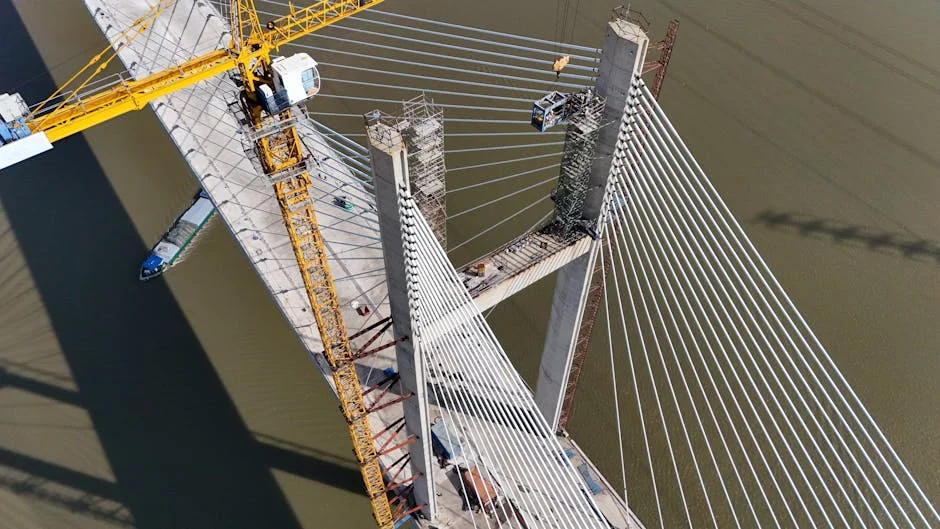
The Tsitsikamma Bridge, a vital link for those exploring South Africa's stunning Garden Route, has long been a focal point for adventurers and nature enthusiasts. With its recent safety upgrades, the project intends to address longstanding concerns regarding structural integrity and visitor safety. By ensuring a secure passage for vehicles and pedestrians alike, the initiative is poised to boost tourism in the area, attracting more visitors to the region.
Connecting Development Goals with Infrastructure
This project aligns closely with Africa's development goals, particularly in terms of enhancing infrastructure and promoting sustainable tourism. Improved access to the Garden Route National Park supports economic growth not just locally, but also regionally, as it enhances the flow of income from tourism. The project is an example of how infrastructure development can facilitate broader economic opportunities, contributing to the continent's goal of reducing poverty and promoting sustainable livelihoods.
Health and Safety as a Priority
The safety upgrades at Tsitsikamma Bridge are not merely a structural improvement; they are also a necessary response to health and safety concerns. With the ongoing global emphasis on safety in travel, especially in regions heavily reliant on tourism, the project's timing is crucial. Ensuring that infrastructure can support a surge in visitors while prioritising their safety is essential for the long-term viability of tourism in South Africa.
The Broader Impact on African Development
For countries like Nigeria, the implications of the Tsitsikamma Bridge project extend beyond South Africa. As African nations grapple with their own infrastructure challenges, the success of such projects can serve as a model for improving connectivity and safety in their regions. By learning from the Tsitsikamma Bridge's approach, countries can better plan their own infrastructure projects, tackling issues such as road safety, accessibility, and tourism sustainability.
Looking Ahead: What to Expect
As the Tsitsikamma Bridge safety project progresses, it will be essential to monitor how these developments influence travel patterns and economic growth in the region. Additionally, the project could inspire similar initiatives across the continent, fostering an environment where improved infrastructure leads to enhanced economic opportunities. Travellers planning their trips to the Garden Route can expect a more secure and enjoyable experience, but the broader implications for African development suggest that this project is just one piece of a larger puzzle.