An American tourist has gone missing after being swept out to sea while swimming at Cape Point, prompting a search operation by local authorities. The incident occurred on a sunny afternoon, drawing attention to the dangers faced by visitors in popular coastal areas of South Africa.
Rescue Operations Underway at Cape Point
On Monday, Cape Point Police initiated a search and rescue operation for the missing American tourist, who was reported to have been swept away while swimming. Eyewitness accounts suggest that the individual was caught in a strong current, highlighting the perilous conditions that can arise even in seemingly safe environments.
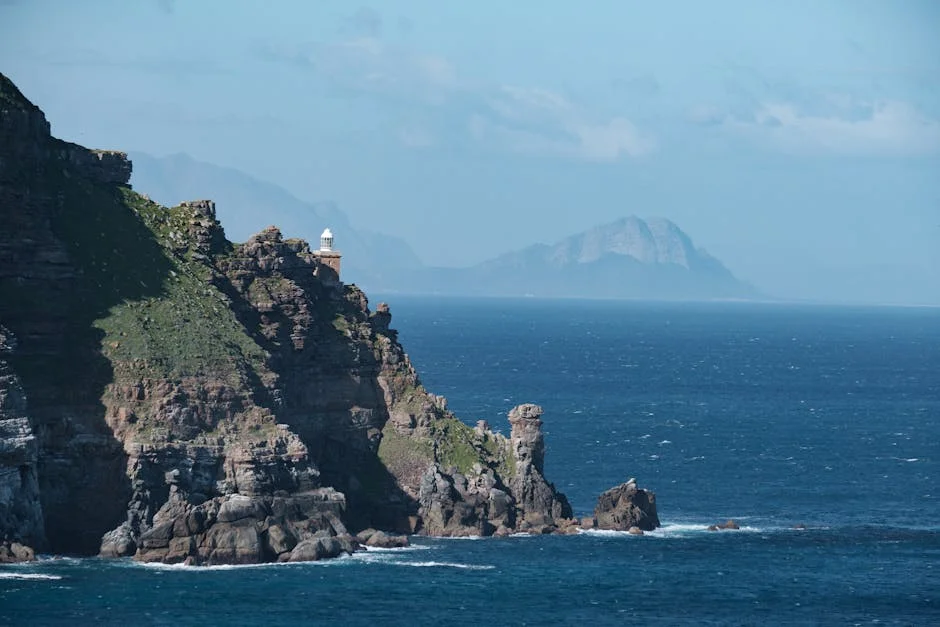
Authorities have deployed coast guard vessels and local volunteers to comb the shoreline and surrounding waters. As the search continues, the Cape Point Police have urged swimmers to heed warning signs and pay attention to local advisories regarding water safety.
The Impact of Tourism Incidents on Local Economies
Tourism is a significant contributor to South Africa's economy, accounting for approximately 8.6% of GDP. Incidents like this one, however, can have detrimental effects on the perception of safety in tourist destinations. The Cape Town area, known for its stunning landscapes and vibrant culture, relies heavily on international visitors.
According to tourism experts, negative incidents can lead to a decline in tourist numbers, as potential visitors may reconsider their travel plans in light of safety concerns. Following the incident, Cape Town authorities have reiterated their commitment to ensuring the safety of all visitors and have launched an awareness campaign aimed at educating tourists about local conditions.
How Cape Town's Challenges Affect Broader Development Goals
This tragic event underscores broader challenges faced by African nations in achieving development goals related to safety, infrastructure, and tourism management. As countries like South Africa strive to create thriving tourist economies, incidents that threaten visitor safety can hinder progress towards these objectives.
Furthermore, such challenges can impact governance and public perception, making it crucial for local authorities to enhance safety protocols and respond effectively to emergencies. This incident at Cape Point serves as a reminder of the importance of investing in infrastructure that supports both tourism and safety.
What This Means for Future Tourism Policies
The Cape Town authorities’ response to the search operation will likely influence future tourism policies in the region. Stakeholders may call for improved safety measures, including more visible lifeguard services and updated warning signage at popular swimming spots.
As South Africa continues to rebuild its tourism sector post-pandemic, the balance between attracting visitors and ensuring their safety remains critical. This incident may prompt a reevaluation of existing policies and inspire new initiatives aimed at fostering a safer environment for both locals and tourists.
Continental Implications for Tourism Management
The incident at Cape Point raises questions about how similar challenges are managed across the continent. Tourism is a vital aspect of economic development in many African countries, and incidents of this nature can have ripple effects that extend beyond national borders. Countries looking to boost their tourism sectors may need to adopt best practices from one another to enhance safety and emergency response protocols.
As African nations work towards achieving the United Nations Sustainable Development Goals (SDGs), particularly those focused on economic growth and infrastructure, prioritising tourist safety could pave the way for more sustainable development in the sector.