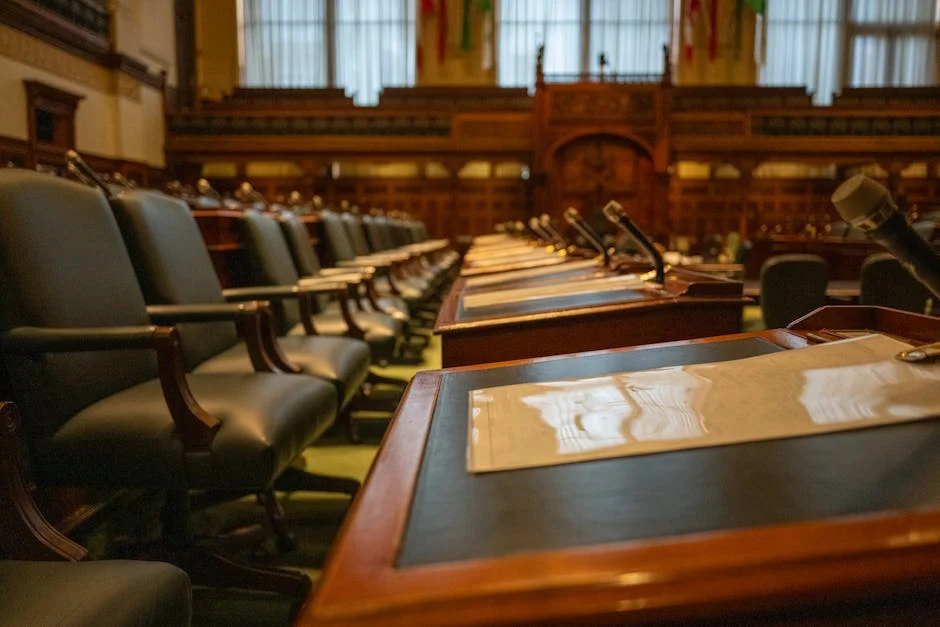
In a surprising turn of events, several members of the Some Ad Hoc Committee have outrightly rejected an apology from Sullivan, igniting a wider debate on governance in South Africa. This incident unfolded during the committee's recent session, where tensions ran high amidst ongoing discussions about accountability and transparency.
Who is O’Sullivan and Why Does His Apology Matter?
O'Sullivan, a prominent figure in South Africa's political landscape, has faced significant scrutiny over his actions related to governance practices. His apology was intended as a step towards reconciliation following allegations of misconduct that have raised questions about the integrity of the Ad Hoc Committee itself. The rejection of this apology by some members reflects deeper issues within the committee that could have ramifications for governance and development in the country.
Xola Nqola and Julius Malema Weigh In on the Controversy
Prominent political figures, including Xola Nqola and Julius Malema, have voiced their opinions on the matter. Nqola, a vocal critic of O’Sullivan, argued that accepting the apology would undermine the committee’s credibility. Meanwhile, Malema warned that this situation exposes larger systemic problems within South Africa’s political framework, suggesting that a lack of accountability could hinder national development efforts.
The Implications for African Development Goals
This incident underscores the challenges facing African nations in achieving development goals. Good governance, a cornerstone of the African Union's Agenda 2063, is critical for fostering economic growth, improving health and education, and ensuring sustainable infrastructure. When members of committees designed to uphold these values engage in disputes over accountability, it raises alarms about the stability necessary for development.
Continental Challenges and Opportunities
The rejection of O’Sullivan's apology highlights a broader continental challenge: the need for effective governance across Africa. As nations strive to meet the United Nations Sustainable Development Goals (SDGs), issues of transparency and accountability in governance become paramount. However, this situation may also present an opportunity for reform. If the committee can navigate this crisis effectively, it could bolster trust in political institutions and encourage more robust civic participation.
What’s Next for the Some Ad Hoc Committee?
Looking ahead, the Some Ad Hoc Committee faces critical decisions. The members must address the divisions within their ranks to foster a united front that can effectively tackle the governance issues at hand. How the committee responds to this rejection could set a precedent for future governance practices, not just in South Africa but across the continent.