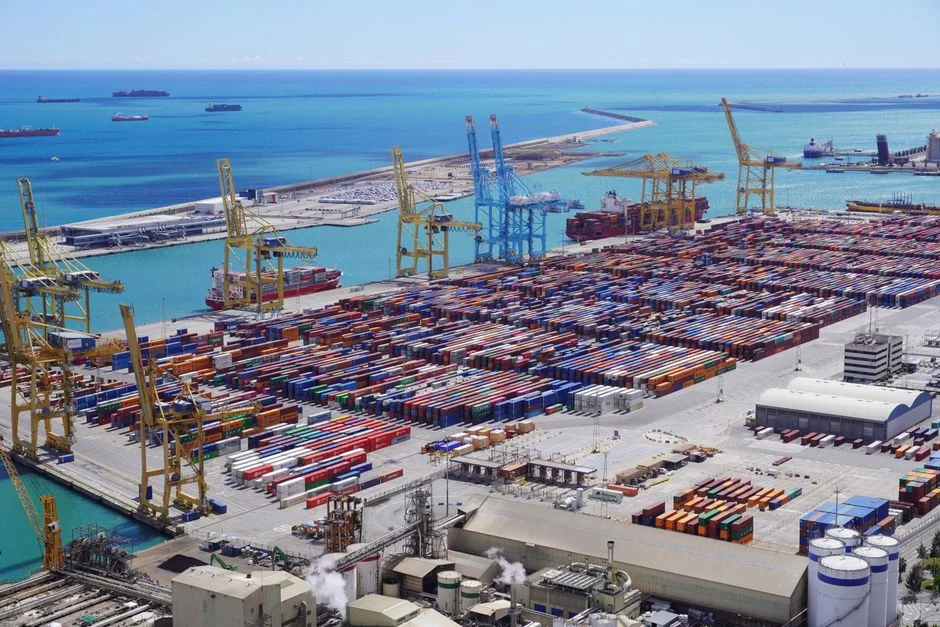
Over 35,000 passengers and crew members are stranded in the Strait of Hormuz as maritime traffic faces unprecedented disruptions due to geopolitical tensions. This situation raises significant concerns not only for global shipping but also for Nigeria's economy, which relies heavily on oil exports that traverse this vital waterway.

Strait of Hormuz: A Critical Maritime Route

The Strait of Hormuz, a narrow passage that connects the Persian Gulf to the Gulf of Oman, is one of the world's most crucial maritime chokepoints. Approximately 20% of global oil consumption passes through this narrow stretch, making it a focal point for international trade and energy security. Recent tensions in the region have resulted in heightened military activities, leading to blockades and delays in shipping.

35,000 Passengers Trapped in Strait of Hormuz: What It Means for Nigeria's Economy — Economy Business
Economy & Business · 35,000 Passengers Trapped in Strait of Hormuz: What It Means for Nigeria's Economy

Impact on Oil Exports: A Nigerian Perspective

Nigeria, Africa's largest oil producer, has much at stake in this maritime crisis. With the nation relying on oil exports for over 90% of its foreign exchange revenue, any disruptions in the Strait of Hormuz can have immediate repercussions on Nigeria's economic stability. Analysts warn that prolonged delays in oil shipments could cause fluctuations in global oil prices, impacting Nigeria's economic growth and development goals.

Continental Challenges: Regional Stability at Risk

This blockade has broader implications for African development. As countries like Nigeria strive to meet their development goals, including infrastructure improvement and health care advancements, disruptions in oil exports can hamper these efforts. The potential for increased prices on fuel and transportation could stymie economic growth and exacerbate challenges related to governance and poverty alleviation across the continent.

Opportunities Amidst Crisis: Rethinking Supply Chains

However, this crisis may also present opportunities for African nations to rethink their dependency on oil and diversify their economies. The necessity for resilience in supply chains could prompt Nigeria and other African countries to invest in alternative energy sources and improve local production capabilities, aligning with the African Union's Agenda 2063, which emphasises sustainable development and economic diversification.

What to Watch For Next: Global Reactions and Policy Changes

As the situation develops, it is crucial for Nigeria to assess its international relationships and explore diplomatic channels to ensure the security of its maritime routes. Global reactions to the unfolding crisis will likely influence future policies on energy security, trade agreements, and international collaborations. Stakeholders in Nigeria's economy must prepare for potential shifts in the global oil landscape as the situation in the Strait of Hormuz evolves.

See Also

Editorial Opinion

As countries like Nigeria strive to meet their development goals, including infrastructure improvement and health care advancements, disruptions in oil exports can hamper these efforts. The potential for increased prices on fuel and transportation could stymie economic growth and exacerbate challenges related to governance and poverty alleviation across the continent.Opportunities Amidst Crisis: Rethinking Supply ChainsHowever, this crisis may also present opportunities for African nations to rethink their dependency on oil and diversify their economies.

— goodeveningnigeria.com Editorial Team
Poll
Do you agree with the experts quoted in this article?
Yes47%
No53%
348 votes
Oluwafemi Adeyemi
Author
Oluwafemi Adeyemi is a business journalist based in Lagos covering Nigeria's economy, financial markets, and the private sector. He tracks developments at the CBN, NNPC, and the Lagos stock exchange, providing context on how monetary policy and oil revenues shape everyday economic conditions.

With over eight years of experience in financial journalism, Oluwafemi has reported on currency crises, fuel subsidy debates, and the rise of Nigeria's fintech sector. He holds a degree in economics from the University of Lagos.