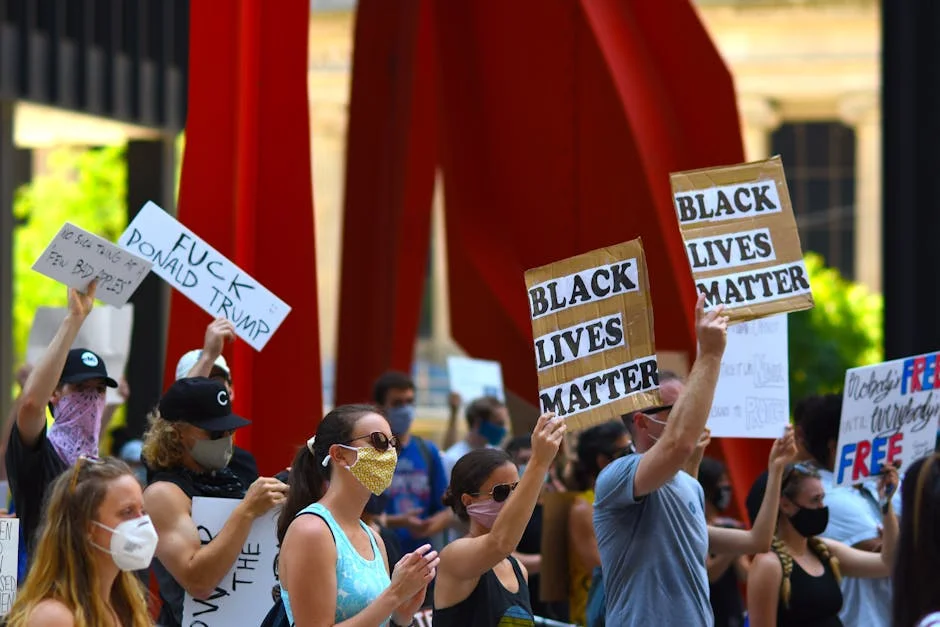
Tunisians have taken to the streets in a massive protest against US-Israeli military plans targeting Iran, reflecting deep regional anxieties and solidarity with Tehran. The demonstrations erupted on 15 October 2023 in Tunis, where thousands voiced their opposition to foreign intervention in the Middle East, linking the conflict to broader concerns over African stability and development.
Protests Erupt in Tunis: A Solidarity Movement
The protests were initiated by various civil society organisations and political groups, including the Tunisian National Dialogue and the Tunisian Workers' Union. Protesters carried banners reading “No to War” and “Hands Off Iran,” condemning what they perceive as imperialistic aggression. The turnout was significant; estimates suggest over 20,000 participants gathered in the capital, highlighting a strong anti-war sentiment among the Tunisian populace.
Historical Context: Tunisia's Role in Regional Politics
Tunisia, which initiated the Arab Spring in 2010, has often positioned itself as a bastion of democratic values in the region. However, its political landscape remains precarious, with ongoing challenges such as economic instability and political corruption. The current protests reflect a broader concern that external conflicts, particularly involving major powers like the US and Israel, could undermine Tunisia's hard-won democratic gains and exacerbate local grievances.
The Broader African Perspective: Implications for Development
The conflict involving Iran has significant implications for African development goals. Many African nations are already grappling with issues such as infrastructure deficits, health crises, and governance challenges. The spillover effects of war could divert attention and resources away from critical development efforts across the continent. As an example, Nigeria, which has robust economic ties with Iran, must navigate the complexities of international relations while addressing its own domestic challenges. The ongoing tensions may hinder progress on projects crucial for economic growth and infrastructure development.
What the Future Holds: Regional Stability at Risk
As the situation evolves, it is essential to watch how Tunisia's protests might influence other nations within Africa. The show of solidarity with Iran could inspire similar movements across the continent, potentially reshaping political alliances and responses to external pressures. Furthermore, the international community's reaction to these developments will be crucial in determining not only the future of Iranian relations with African nations but also the stability of the continent as a whole.
Conclusion: The Path Forward for African Development
In summary, the Tunisian protests against US-Israeli military actions towards Iran highlight the interconnectedness of global conflicts with African development goals. As nations like Nigeria grapple with the ramifications of international tensions, the need for a unified continental approach to governance, health, education, and economic growth becomes increasingly urgent. The events in Tunisia are a reminder that solidarity and active engagement are vital for ensuring a stable and prosperous future for Africa.