In a surprising move, President Donald Trump has dismissed Kristi Noem from her role as the head of Internal Security, raising eyebrows across the political spectrum. This decision comes as tensions in the U.S. escalate, but its implications may extend far beyond American borders, particularly impacting how the Presidente affects Nigeria and broader African governance.
Noem's Dismissal: Immediate Reactions and Consequences
The announcement was made late on Friday, with Trump citing a need for a more stringent approach to internal security challenges. Noem, who had been a prominent advocate for various security reforms, is expected to be replaced by Markwayne Mullin, a figure known for his hardline stance on immigration and internal security policies. This transition indicates a shift in strategy that may influence diplomatic relations, especially with countries like Nigeria that are grappling with their own security issues.
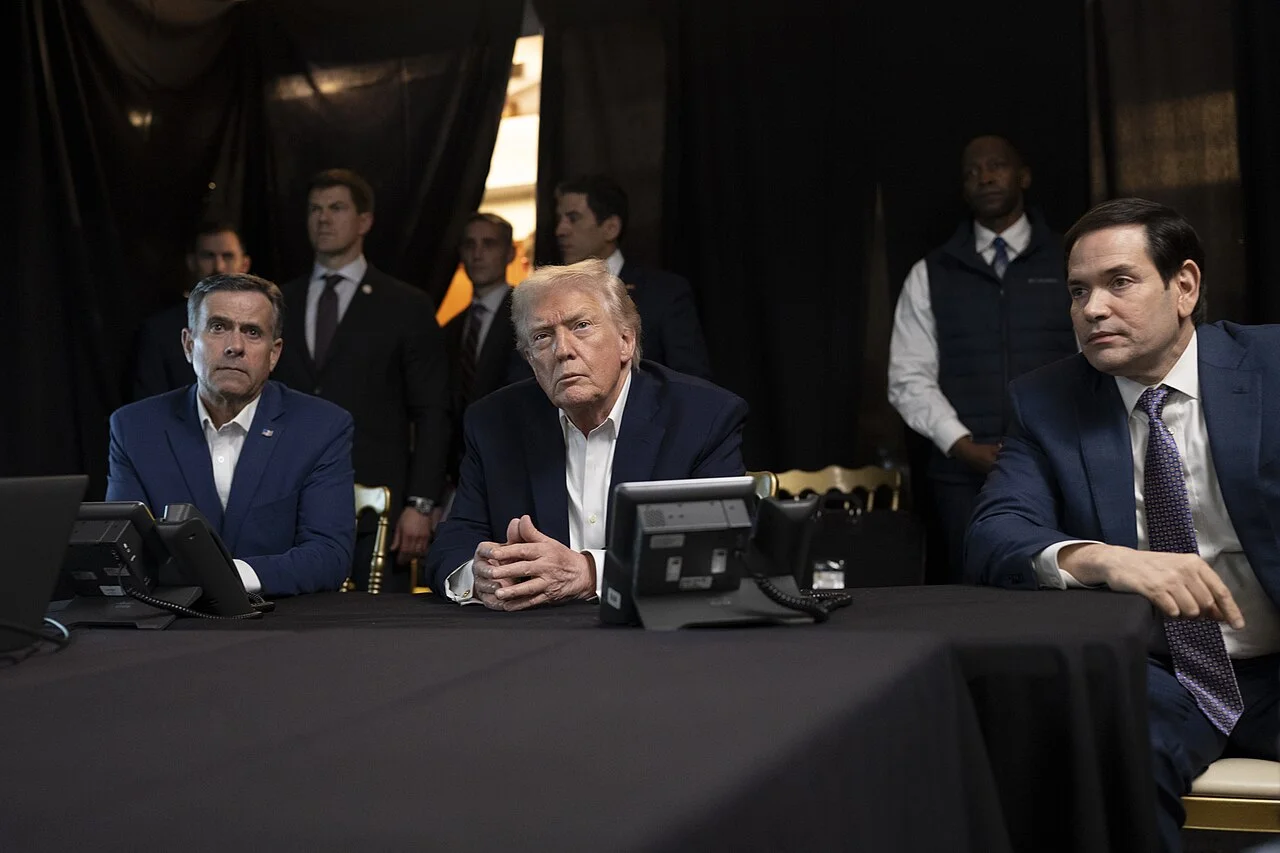
Why Kristi Noem Matters: Impact Beyond U.S. Borders
Noem has been a vocal supporter of policies aimed at enhancing national security and has engaged in discussions pertaining to international relations, including those with African nations. Her dismissal raises questions about the future of U.S. foreign policy in Africa, particularly as countries like Nigeria strive for stability amidst challenges like terrorism and economic growth. The reshuffling of leadership in the U.S. could affect aid distribution and diplomatic engagement, as Noem had advocated for a more collaborative approach.
The Broader Context: U.S.-Africa Relations
This change in internal security leadership comes at a time when African nations are facing significant developmental challenges, including infrastructure deficits and health crises. The U.S. plays a critical role in supporting initiatives aimed at achieving the African Union’s Agenda 2063, which focuses on sustainable development and good governance. How the new leadership under Trump influences these partnerships could be pivotal for nations like Nigeria, which rely on U.S. support for various development goals.
Looking Ahead: What to Watch For
As Markwayne Mullin steps into his new role, stakeholders in Africa are keenly watching for shifts in U.S. policy that could impact their nations. The focus on internal security may lead to a recalibration of how the U.S. engages with African governments, especially regarding security assistance and economic partnerships. Analysts suggest that increased pressure on African nations to align with U.S. security interests could complicate efforts to address local challenges, including health and education, that are crucial for development.
Conclusion: The Need for Strategic Collaboration
The dismissal of Kristi Noem signals a potential shift in the U.S. approach to both domestic and international policy. For African nations, particularly Nigeria, this may mean navigating a more complex relationship with the U.S. in the pursuit of development goals. As the continent faces ongoing challenges, the necessity for strategic collaboration and nuanced understanding of governance becomes increasingly important. The world will be watching to see how this political change affects not only U.S. policy but also the future of African development.