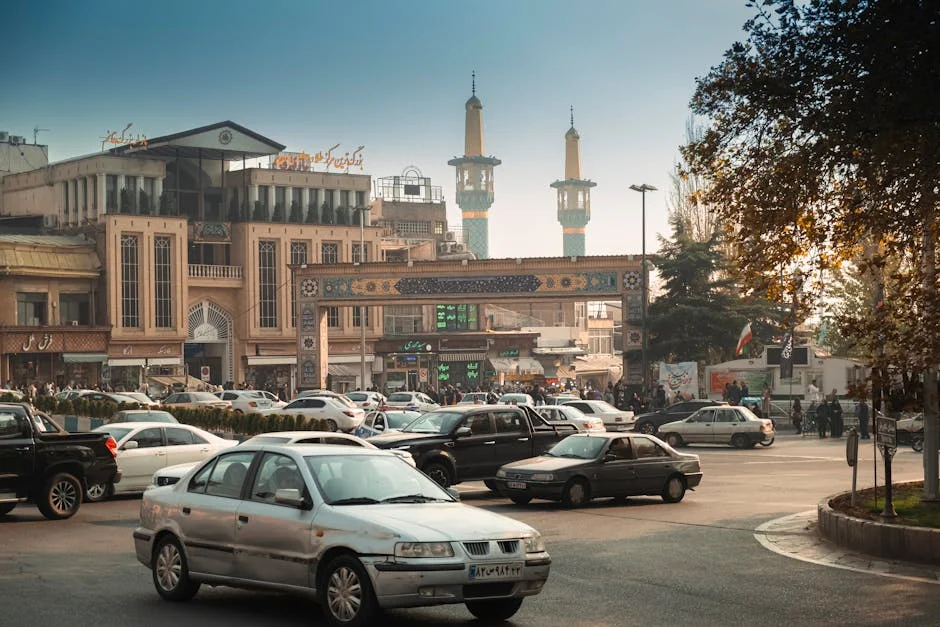
Worshippers in Tehran rallied after Friday prayers, expressing solidarity with Palestine amid escalating tensions between Iran and Israel. Thousands gathered to voice their opposition to Israeli actions, highlighting the ongoing conflict's impact on regional stability.
The Rally's Significance in Iranian Society
The rally, which took place on October 27, 2023, is a regular occurrence in Iran, particularly during periods of heightened conflict in the Middle East. This event not only reflects the Iranian public's sentiments towards Israel but also serves as a reminder of the Islamic Republic's commitment to Palestine, a key aspect of its foreign policy. The demonstrators carried banners and chanted slogans condemning Israeli actions, reaffirming their support for Palestinian rights.
Historical Context of Iran-Israel Tensions
The relationship between Iran and Israel has been fraught with tension since the 1979 Iranian Revolution, which saw the rise of the Islamic Republic and the severing of diplomatic ties. Over the years, Iran has positioned itself as a staunch supporter of Palestinian groups, often leveraging this support to solidify its influence in the region. Recent conflicts, including military escalations and rhetoric from both sides, have further exacerbated these tensions, contributing to an unstable geopolitical landscape.
How Regional Conflicts Affect African Development Goals
The ongoing tensions between Iran and Israel have implications that extend beyond the Middle East, impacting African development goals and opportunities. As nations in Africa seek to enhance their governance, infrastructure, and economic growth, regional stability is paramount. Conflicts in the Middle East can lead to increased oil prices, affecting African economies heavily reliant on oil imports.
Moreover, the ideological battles between Iran and Israel resonate with various factions within Africa, often leading to shifts in governance and political alignments. For instance, countries with significant Muslim populations may feel compelled to take sides, affecting diplomatic relations and regional cooperation.
Potential Consequences for Africa's Political Landscape
The Iranian rally serves as a reminder of how external conflicts can influence Africa's political dynamics. Countries like Nigeria, which has a diverse population with varying political ideologies, may find themselves navigating complex international issues that arise from such tensions. The Islamic Republic's backing of movements across Africa can lead to a resurgence of radical ideologies, impacting governance and stability.
As the African continent pushes towards achieving the Sustainable Development Goals (SDGs), it is essential to consider the broader implications of conflicts like the one between Iran and Israel. African nations must balance their local priorities with the pressures of international politics, ensuring that they remain focused on development despite external distractions.
Looking Ahead: What to Watch For
As Iran continues to assert its influence in the Middle East, observers should monitor how this affects Africa's geopolitical alignments and development strategies. Increased tensions could lead to shifts in trade relations, security challenges, and the potential rise of extremism, all of which impact African development goals. For Nigeria and other nations, understanding these dynamics will be vital in crafting policies that promote stability and growth.